

Iliyasu Abdullahi Bah
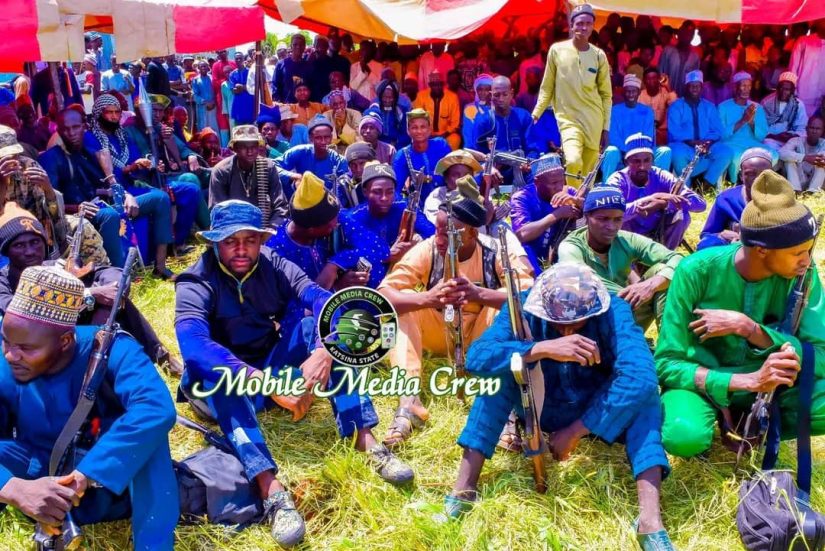
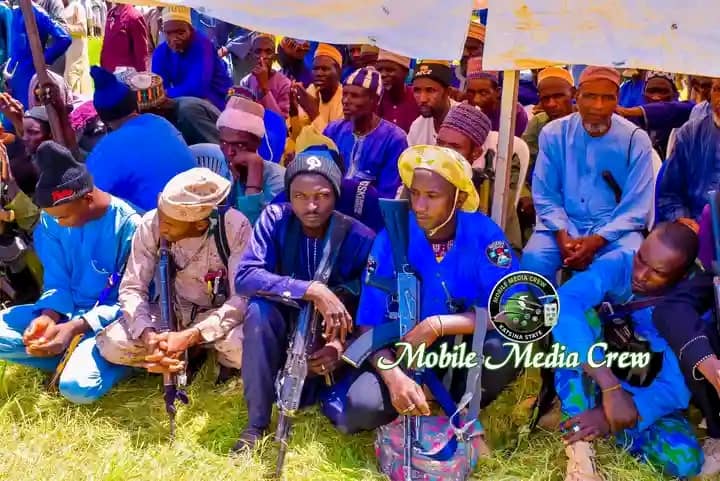
In a significant development aimed at curbing banditry and kidnapping activities in Northwest Nigeria, notorious bandit leaders operating in Katsina State have entered into a peace agreement with government representatives, with the deal being negotiated during a high profile meeting held in Gimi Forest within Safana Local Government Area on Sunday.
Security analyst Bakataine reported via his verified X handle that the gathering brought together local bandit commanders alongside counterparts from neighboring Zamfara State to formalize the truce, which seeks to establish lasting solutions to the region security challenges.
During the negotiations, the armed group leaders highlighted the systemic marginalization of Fulani communities, specifically citing their exclusion from access to basic social amenities including healthcare services, educational facilities, clean water, and road infrastructure as key drivers of their criminal activities.
Muhammad Haruna, a resident who attended the historic meeting, confirmed that the bandits have agreed to reopen several critical local roads that had been rendered impassable due to their attacks, particularly the strategic Runka Kukur Samu route, while in return, community leaders and local authorities pledged to suspend all vigilante group operations in the area.
Among the prominent bandit figures present was the notorious ‘Dan Da, who commands considerable influence across the volatile Batsari and Safana border regions.
It was noted that, this peace initiative echoes a similar but ultimately unsuccessful in 2016 agreement where bandit kingpins including Mr. Kachallah and Abdullahi Karki publicly renounced violence during a ceremony attended by then Katsina State Secretary Mustapha Inuwa in Illela town, only for Kachallah to later resume his criminal activities, with his father Idris Maza eventually relocating to Kaduna State after failing to control his son return to banditry.



The current accord sustainability remains uncertain given this history of broken agreements, with the critical question being whether the bandits will honor their commitments this time or revert to their previous patterns of violence, particularly if the government promised development projects for Fulani communities face delays or fail to materialize as in past instances.
The success of this peace deal hinges on the timely and substantial delivery of social amenities to marginalized areas, coupled with effective mechanisms to monitor compliance from both the armed groups and security forces, while also addressing the underlying socioeconomic factors that initially fueled the conflict.
Local communities remain cautiously optimistic but wary, remembering how previous agreements collapsed, and all stakeholders recognize that this represents just the first step in what must be a comprehensive, long term approach to addressing the complex root causes of banditry in Northwest Nigeria.