


Kogi: Gunmen Ambush Passenger Bus, Abduct Six
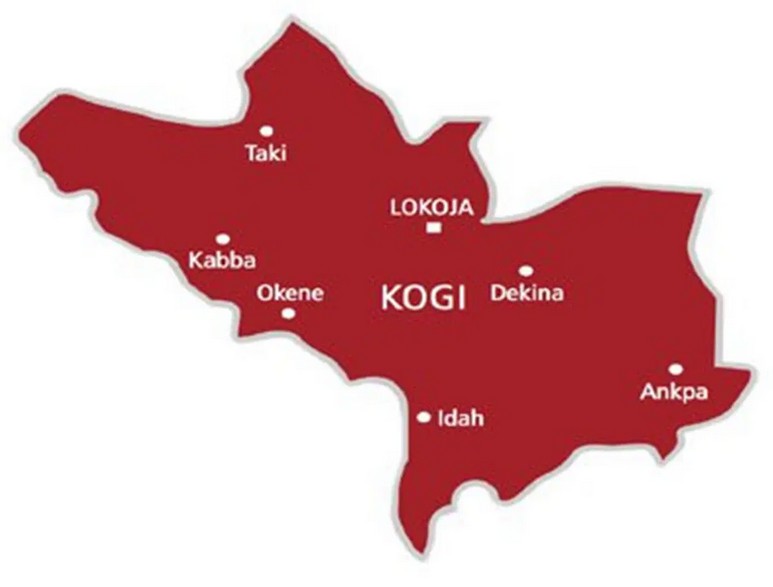
Kogi State’s highways have once again become a theatre of violence following a brutal ambush on a commercial vehicle. On Friday evening, 27 February 2026, suspected bandits emerged from the bush along the Ijowa–Ijagbe axis in Mopamuro Local Government Area. The assailants opened fire on an 18-seater bus in transit, critically wounding the driver before seizing several passengers. This attack is the latest in a sequence of highway kidnappings that have turned the state’s transit corridors into high-risk zones.
The bus driver, who sustained life-threatening gunshot wounds during the assault, is currently fighting for his life in an undisclosed hospital. Amidst the chaos of the gunfire, six passengers, five men and one woman, were marched into the forest at gunpoint. While some travellers managed to escape into the surrounding thicket, the fate of those abducted remains unknown. No ransom demands have been reported yet, and the Kogi State Police Command has not released a formal statement.
This ambush follows a disturbing pattern of insecurity across the state’s major routes. Earlier this month, ten travellers were snatched along the Aloma-Ejule road after gunmen barricaded the highway. Security analysts point to the sprawling forested terrain along the Okene-Lokoja and Osokoko-Obajana roads as ideal cover for these bandit groups. These “gaps” in security patrols allow criminals to operate with brazenness, suggesting they feel untouchable on the open road.
The recurring nature of these strikes has sparked widespread fear among residents and regular commuters. The Mopamuro axis, specifically the stretch between Ijowa and Ijagbe, is now regarded as a flashpoint for such activity. Travellers are increasingly calling for the establishment of permanent checkpoints and more aggressive forest clearing to deny bandits their tactical advantage. For many, road travel in Kogi has transitioned from a necessity to a gamble.
Despite the state government’s recent commendations of federal initiatives, the reality on the ground remains stubbornly violent. The “Renewed Hope” rhetoric often fails to resonate in communities where families are currently awaiting news of kidnapped relatives. Efforts to rescue the victims are reportedly underway, but the lack of immediate police confirmation highlights the slow communication loop that often plagues these crises.
Kogi’s position as a gateway state connecting the north and south makes its security a matter of national economic importance. If these “bush-to-road” ambushes continue unabated, the resulting paralysis of movement will have significant ripple effects. The Mopamuro ambush is not just a local crime; it is a symptom of a broader failure to secure the nation’s arteries. Until the security agencies move beyond reactive patrols, the bushes of Kogi will continue to harbour those who profit from terror.