


Lassa Fever: Benue Death Toll Rises
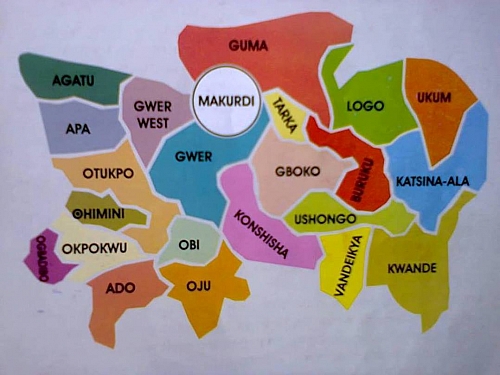
Health authorities in Benue State have sounded the alarm over a surging Lassa fever outbreak that has claimed ten lives, including five medical doctors. As of late February 2026, the Benue State University Teaching Hospital (BSUTH) in Makurdi reported 28 suspected cases, with 17 confirmed positive and currently under intensive care. The Chief Medical Director, Dr. Terungwa Stephen Hwande, described the current admissions as a significant strain on the facility’s isolation capacity. This unusual spike in non-traditional hotspots highlights a worrying geographic expansion of the virus.
The human cost of the outbreak is particularly high among frontline responders. State Epidemiologist Dr. Msuega Asema confirmed that out of 250 suspected cases across the state, 45 have been validated. Worryingly, the death toll includes ten healthcare workers, a trend that suggests lapses in infection prevention and control (IPC) protocols. The high rate of infection among doctors and nurses points to a dangerous level of human-to-human transmission within clinical settings. This occupational hazard has forced the hospital to reinforce safety measures and redeploy emergency personnel.
Commissioner for Health, Dr. Paul Ogwuche, recently conducted an on-the-spot assessment of the BSUTH isolation centre to verify reports of the deteriorating situation. He acknowledged that the state is facing a critical juncture and has deployed 23 surveillance officers, one for each local government area, to bolster contact tracing. The government’s strategy hinges on early diagnosis, yet the hospital leadership insists that the current infrastructure is insufficient. Dr. Hwande has called for an immediate upgrade of the isolation facility, citing a lack of patient monitors and the need for an on-site emergency laboratory.
The current outbreak aligns with Nigeria’s dry season, typically between November and April, when rodents migrate into homes in search of food. However, Benue has historically seen lower burdens than states like Ondo or Edo. The sudden escalation in Makurdi suggests that ecological shifts or population movements are driving the virus into new territories. National data from the NCDC confirms that while overall numbers are lower than in 2025, the case fatality rate remains stubbornly high at over 21%.
Public anxiety in the state is compounded by the social stigma often attached to survivors of the “hemorrhagic” fever. Health workers have reported difficulties in facilitating safe burials, with some communities refusing to inter the deceased due to misconceptions about contagion. This cultural friction makes the work of surveillance teams even more difficult. The Ministry of Health is currently combining clinical response with “community engagement” to dismantle these myths and encourage symptomatic residents to seek help.
For now, the state government is urging residents to maintain strict hygiene and keep food in rodent-proof containers. Early symptoms like persistent high fever and sore throat should be treated as red flags. While the commissioner has appealed for calm, the reality at BSUTH suggests a system under siege. The next few weeks will be decisive in determining if Benue can flatten the curve or if the virus will continue its lethal march through the state’s wards.