
Daniel Otera
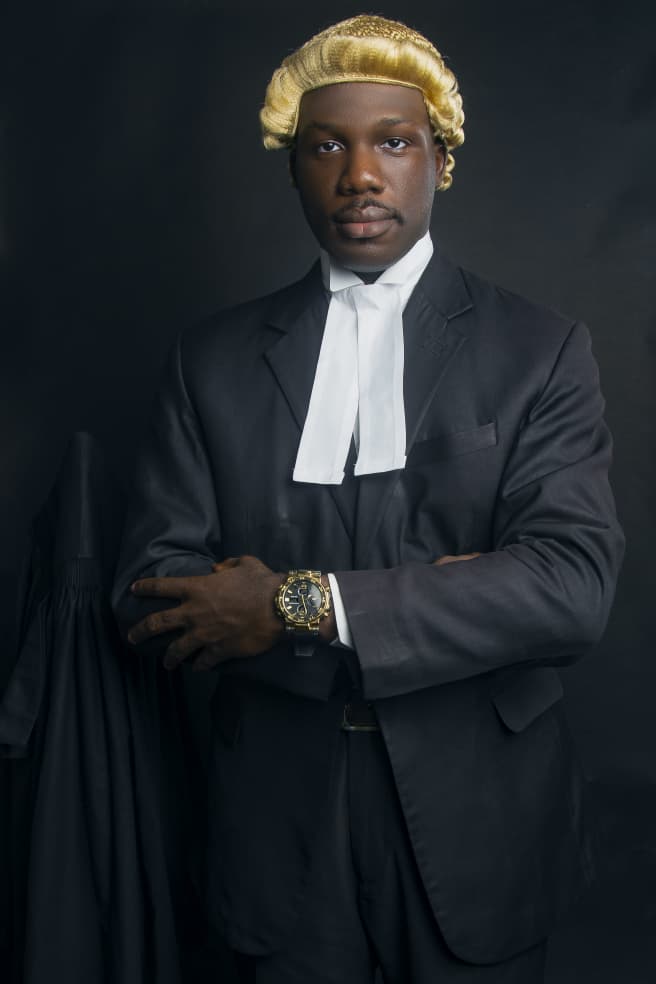
ASP Solomon Faith’s journey to the Nigerian Bar exemplifies the power of perseverance, faith, and a deep sense of justice. Recently called to the Nigerian Bar, Solomon’s path to success has been shaped by both struggle and triumph. Growing up in Kaduna State, Solomon developed a passion for defending those without a voice, despite the many challenges Nigerian youth face in their pursuit of higher education. His journey from science classes to law school highlights the importance of self-belief and resilience.
In this exclusive interview, Solomon reflects on his formative years, the obstacles he overcame to enter law school, and the transformative moments that led to his call to the Bar in September 2025. He also shares his thoughts on the pressures young lawyers in Nigeria face, his commitment to pro bono work, and his vision for using the law as a tool for societal change.
Can you take us back to your early days? What sparked your passion for law, and how did growing up in Kaduna shape your decision to pursue it, despite the hurdles many Nigerian youths face?
Thank you for the opportunity. I was born and raised in Kaduna State, with a brief three-year period in Osun State. Growing up, my parents instilled a strong sense of discipline in me. I remember how even a small change in assigned chores would be an issue for me, as I saw it as unfair. Perhaps this early experience was the first clue that I would eventually be drawn to fight for people who had no one to defend them.
Though my father is from Kogi State and my mother from Kwara, I spent most of my childhood in Kaduna. Initially, I wasn’t passionate about studying law. I started in science classes during secondary school, but my academic performance showed I had a stronger aptitude for the arts. My parents advised me to focus on my strengths, and that led me to the arts. By the time I was in SS3, I was thinking about what prestigious courses an arts student could pursue. In my mind, law was the obvious choice. So, I made my decision. However, the journey wasn’t easy. I struggled for four years to secure admission, despite consistently good JAMB scores. Law seemed elusive. It wasn’t until 2018 that I gained admission into the prestigious Nigeria Police Academy to study law, after completing my secondary education in 2014.
Walk us through your law school experience at the Nigeria Police Academy. What was the most transformative moment that prepared you for the bar finals? Did the curriculum address real Nigerian issues like corruption or human rights?
My experience was both enjoyable and challenging. Becoming a lawyer starts from your undergraduate days and continues through law school, and both were crucial in preparing me for the Bar Finals. For me, the transformation was gradual, seeing how Nigerian laws evolved while also recognizing the challenges of their implementation.
The curriculum was thorough, offering a practical experience through externships that took us to courts and chambers. The program definitely covered issues like corruption and human rights, as well as a range of concerns relevant to Nigerian law.
In September 2025, you were called to the bar in Abuja. How did that ceremony feel, and what does being a full-fledged lawyer mean to you personally? Any standout memory from the event, like a speech or interaction?
The ceremony was exhilarating and emotional. I felt special, excited, and responsible. While I understand there are many challenges ahead, I recognize that every journey begins with one step. Being a lawyer to me means I now have opportunities—both personal and communal. I can have a real impact on society, fight for the oppressed, and aim for a successful life, with God’s grace. The keynote speech at my call reminded me that while I’ve reached a milestone, there’s still much to learn. Mentorship is essential, and it’s something I intend to pursue.
As a fresh call-to-bar lawyer, what are your next steps joining a firm, starting your practice, or focusing on public interest law? Are you considering pro bono work for underserved communities?
My immediate plan is to continue learning and mastering my craft. The legal profession in Nigeria is vast, and rushing can be limiting. While I hope to have my own practice in the future, for now, I plan to learn from senior colleagues at the Bar. Public interest law is also something I’m drawn to, especially since I am a Police Officer. I plan to do pro bono work during my career, though not immediately.
The legal landscape in Nigeria can be tough for young lawyers. What unique challenges have you faced, and how are you navigating them?
The landscape is tough, especially with the influx of young lawyers every year. The economic situation and ASUU strikes have delayed graduation for many aspirants, making it harder to enter the workforce. The coronavirus also affected my graduation timeline, but I remained hopeful and trusted in God’s help.
Once you’re called to the Bar, you realize that financial comfort may take some time. To navigate this, we focus on continuous learning, networking, and seeking mentorship. While challenges exist, there are also many opportunities.
How does your dual training as an Assistant Superintendent of Police (ASP) and a lawyer enhance your effectiveness in law enforcement, and what specific areas, like investigations or community policing, do you anticipate making the biggest impact?
Law and policing are intricately connected, like two sides of the same coin. My training allows me to understand both the legal and procedural aspects of policing, which strengthens my overall effectiveness. I believe my dual background will positively affect all areas related to criminal law and criminal litigation, especially advising on better procedures in handling police matters.
With your career rooted in the Nigeria Police Academy where law and policing were intertwined, how will your call to the bar further empower you to bridge gaps between the police service and Nigeria’s justice system?
The Administration of Criminal Justice Act (ACJA) has called for better handling of criminal matters, emphasizing procedures like ensuring suspects have lawyers or relatives present when making statements, or video recording those statements. With the legal knowledge I’ve gained, I can help ensure that law enforcement operates in a more procedure-compliant manner, which could prevent miscarriages of justice.
How can the Nigerian Bar Association or government better support young lawyers to reduce brain drain and retain talent in Nigeria?
Stakeholders can support young lawyers in several ways. The cost of law school and university education is high, and it could be subsidized to ease the financial burden. After law school, many lawyers are financially drained, so offering special training and guidance would help them find their footing. Additionally, there should be more government job opportunities for new lawyers. In Nigeria, these opportunities are either scarce or non-existent. Young lawyers should also innovate products and services in the legal space rather than waiting for opportunities to be handed to them.
What role do you think Gen Z and millennials should play in fighting corruption and promoting the rule of law? How can social media or youth movements amplify legal voices?
Social media is already a powerful tool in the fight against corruption and in promoting the rule of law. Many Gen Z and Millennials don’t realize how powerful their voices can be on these platforms. Coordinated youth movements, in conjunction with social media, can drive positive change, promote justice, and combat corruption.
Looking ahead, where do you envision Nigerian law in five years? How will young lawyers like you contribute to areas like electoral reforms or environmental justice?
I believe Nigerian law will advance significantly in the next five years, especially with the rapid growth of technology. Policies will hopefully evolve, and young lawyers will be at the forefront of driving these changes. For me, I’m particularly passionate about Cyber Intellectual Property and Tech Law, which I refer to as CIPT Law. I hope to handle cases in these areas.
For aspiring lawyers from rural or low-income backgrounds, what advice would you give to help them overcome the odds and reach the bar?
Nothing is impossible for anyone who believes. My advice is to pursue your dreams relentlessly. As a Christian, I believe that with God, all things are possible. Before I got into law school, I had doubts, but I overcame them by trusting in God’s plan for me. When I struggled academically during my undergraduate years, I took time to reflect, improved my study habits, and ended up graduating with a 2:1.
Finally, as a new lawyer in Abuja, how does your story reflect the hopes and struggles of Nigeria’s youth? What message would you send to the nation?
My story is a testament to the resilience of Nigerian youth. We face many challenges, but we keep pushing because we believe that tomorrow can be better. My message is simple: keep pushing, your dreams are valid, and you will get there. I hope more unsung youths are recognized for their efforts, and media outlets like yours can play a vital role in sharing their stories, so they can be heard.