

Magnitude 5.8 Earthquake Kills Eight Near Kabul
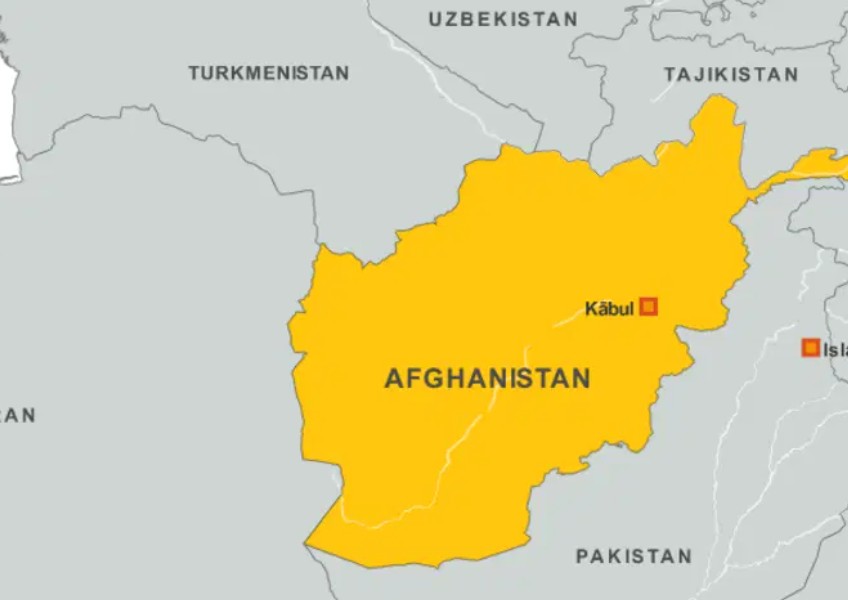
A late-night earthquake has claimed the lives of eight family members in Kabul province. The 5.8-magnitude tremor struck on Friday evening, originating from an epicentre in the mountainous Badakhshan province. A two-year-old boy was the sole survivor of the household in the Gosfand Dara area. He sustained injuries when the family home collapsed during the shaking. Health officials confirmed the deaths on Saturday as recovery teams reached the site.
The United States Geological Survey recorded the quake at 8:42 pm local time. It struck at a depth of 186 kilometres, a distance that typically softens the impact of such tremors. Despite the depth, the shaking was felt strongly across the capital and into neighbouring Pakistan and India. Residents in Kabul reported fleeing their homes as the ground shifted. For one family on the city’s outskirts, the move was not fast enough.
Disaster management officials have placed hospitals on high alert across the region. While the primary fatalities occurred near the capital, reports of damaged walls and property continue to trickle in from Khak-e-Jabbar. The epicentre in the Jurm district of Badakhshan is a remote, rugged terrain where assessment takes time. Military and emergency units are currently surveying these northern villages for further casualties. It remains unclear if the death toll will rise as communications improve.
Afghanistan sits precariously atop the junction of the Eurasian and Indian tectonic plates. The Hindu Kush mountain range is a regular theatre for such seismic activity. Most buildings in rural areas and the city fringes lack the reinforcement to withstand even moderate quakes. Mud-brick structures often crumble instantly, turning homes into tombs. This latest tragedy follows a much deadlier magnitude 6.0 tremor last August.
That previous disaster killed more than 2,200 people in the east of the country. It remains the deadliest event in recent Afghan history and left thousands homeless. The nation’s infrastructure is still reeling from decades of conflict and a lack of investment. Emergency responses are often hampered by poor roads and limited equipment. For a population already struggling with economic hardship, every tremor brings a new layer of dread.
International aid agencies warn that the country’s resilience to natural disasters is at an all-time low. Each event worsens the humanitarian situation for communities with nowhere else to go. The Taliban-led government now faces the task of managing another recovery with thin resources. For now, the focus is on the lone survivor of the Gosfand Dara collapse. He represents a small mercy in a night that took everything else from his family.