

NACA: No Lenacapavir for Pregnant Women
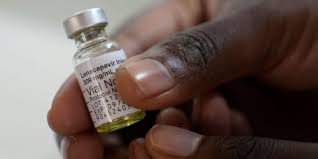
The National Agency for the Control of AIDS has confirmed that Lenacapavir, Nigeria’s newly introduced long-acting HIV prevention injection, will not be administered to pregnant women due to the absence of sufficient clinical evidence on its effects during pregnancy.
Temitope Ilori, Director-General of NACA, disclosed this restriction during a media parley organised by the National HIV, Viral Hepatitis and STDs Control Programme under the Federal Ministry of Health and Social Welfare in Abuja on Monday.
Ilori emphasised that while global clinical studies have demonstrated a high safety margin for the drug in non-pregnant populations, its application in pregnancy remains unproven and therefore inadvisable under current medical protocols.
“Even though LenPrEP is considered very safe based on global studies, it is not recommended for pregnant women. It is important to emphasise that this is a preventive intervention, not a treatment,” Ilori said.
She described Lenacapavir as a highly innovative addition to Nigeria’s HIV prevention tools but cautioned that the drug does not offer protection against other sexually transmitted infections or viral hepatitis, making comprehensive preventive measures still necessary.
“We must stress that it does not prevent sexually transmitted infections or other infections like hepatitis. People must continue to take comprehensive precautions,” she added.
Adebobola Bashorun, National Coordinator of the National AIDS and STDs Control Programme, disclosed that the Federal Government is pursuing catalytic funding pathways to expand distribution of the drug to additional states and priority populations.
“As we scale up, we are exploring catalytic funding to increase the number of doses and extend coverage to populations most at risk,” Bashorun said.
He clarified that Lenacapavir would serve as a complementary option within Nigeria’s existing HIV prevention framework rather than replacing established methods such as oral pre-exposure prophylaxis.
“We already have multiple prevention options. Individuals can still use oral PrEP. National policy guidelines will determine how best to integrate this new option into existing programmes,” Bashorun added.
Addressing safety monitoring, Bashorun stated that adverse effects reported so far have been mild and predominantly confined to injection-site reactions such as localised pain.
“The common side effects include pain at the injection site, which is expected. We are actively monitoring for any adverse reactions and so far, the outcomes are encouraging,” he said.
Iziaq Salako, Minister of State for Health, revealed that Nigeria’s access to Lenacapavir is currently facilitated through support from the Global Fund, with plans underway to explore direct engagement with manufacturers and potential local production.
“This drug is being made available through a partnership with the Global Fund. Over time, we expect to engage manufacturers directly and explore pathways for local production,” Salako said.
He noted that discussions around technology transfer and domestic manufacturing capacity would be essential for ensuring long-term sustainability and reducing reliance on external donor support.
Lenacapavir, developed by Gilead Sciences, represents a significant departure from traditional daily oral PrEP regimens. Administered as a subcutaneous injection twice annually, the drug offers a long-acting prevention option particularly suited for individuals facing adherence challenges with daily medication.
Nigeria carries one of the heaviest HIV burdens globally. According to recent data from NACA, approximately 1.9 million Nigerians are living with HIV. Despite substantial progress in expanding antiretroviral therapy coverage over the past two decades, prevention gaps remain pronounced, especially among key populations including sex workers, men who have sex with men, people who inject drugs, and adolescent girls and young women.
Read Also: Nigerians Scramble for Twice-Yearly HIV Prevention Injection
The introduction of Lenacapavir follows years of advocacy for expanded prevention options. Oral PrEP, while effective, has faced uptake challenges related to stigma, daily adherence requirements, and access barriers in rural and underserved communities. Long-acting injectables have been identified by global health organisations as critical tools for closing prevention gaps in high-burden settings.
Public health experts have cautiously welcomed Lenacapavir’s arrival in Nigeria but stress that its impact will depend heavily on equitable distribution, sustained financing, and effective integration into existing health systems. Concerns have been raised about whether the introduction of new technologies might inadvertently divert resources from other pressing health priorities including malaria control, maternal and child health services, and routine immunisation programmes.
Nigeria’s HIV response remains heavily dependent on donor funding, primarily from the United States President’s Emergency Plan for AIDS Relief and the Global Fund. Questions about the sustainability of new prevention interventions persist amid global shifts in development assistance and competing health priorities.
Health authorities maintain that while Lenacapavir represents a valuable addition to Nigeria’s HIV prevention toolkit, it is not a standalone solution. Comprehensive prevention strategies, including condom promotion, behaviour change communication, regular testing, and treatment as prevention, remain central to the national response.
The rollout of Lenacapavir is being closely monitored by health officials, with pharmacovigilance systems in place to track any emerging safety concerns. As the programme expands beyond initial pilot sites, authorities will assess cost-effectiveness, population-level impact, and feasibility of sustained implementation within Nigeria’s public health infrastructure.