


Naira Holds Steady as Official Rate Hits N1,356
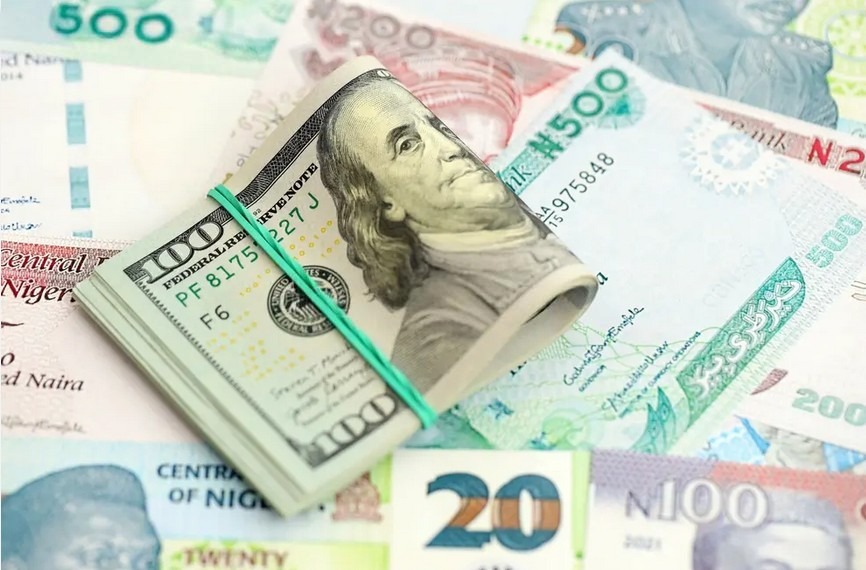
The Naira maintained a fragile stability against the US Dollar on Friday, March 27, 2026. At the Nigerian Foreign Exchange Market (NFEM), the currency traded within a narrow band of ₦1,350 to ₦1,370. Mid-market indicators placed the official rate at approximately ₦1,356, reflecting a period of uncharacteristic calm. This follows months of aggressive interventions by the Central Bank of Nigeria (CBN) to mop up excess liquidity and attract foreign capital. For most of March, the official window has stubbornly refused to cross the ₦1,380 mark, suggesting that the bank’s orthodox policies are finally biting.
The parallel market tells a slightly different story of persistent demand. In the streets of Lagos and Abuja, Bureau de Change operators quoted the greenback between ₦1,400 and ₦1,420. This gap between the official and “black” market rates remains a headache for policymakers. While the premium has shrunk significantly from previous years, the disparity confirms that importers and individuals still struggle to source enough dollars through formal channels. The appetite for foreign currency continues to outpace the immediate supply.
Foreign reserves and oil prices are the silent engines behind this relative peace. Analysts point to improved reserve positions and consistent CBN market interventions as the primary reasons the Naira hasn’t buckled. Global oil prices have also remained favourable, providing the necessary hard currency to defend the local unit. However, the structural weakness of the economy remains. As long as Nigeria relies heavily on imports for basic goods, the pressure on the Naira will persist regardless of central bank gymnastics.
Convergence remains the holy grail of Nigerian forex policy. The government wants the official and parallel rates to meet, but demand-side pressures make this a moving target. Importers still face hurdles in the official window, which naturally pushes them toward the parallel market, keeping that rate elevated. Until the “settlement architecture” promised by the CBN is fully matured, this two-tier reality will likely remain a feature of the Nigerian financial landscape.
The short-term outlook is one of cautious optimism. The fact that the Naira has moved within such a tight range this month is a victory for the Cardoso-led CBN. It provides a level of predictability that businesses have lacked for years. For the average Nigerian, however, the real test of this stability will be whether it eventually translates into lower costs for imported inflation. Stability is good, but a stronger purchasing power would be better.