


Naira Opens Stable as FX Gap Persists
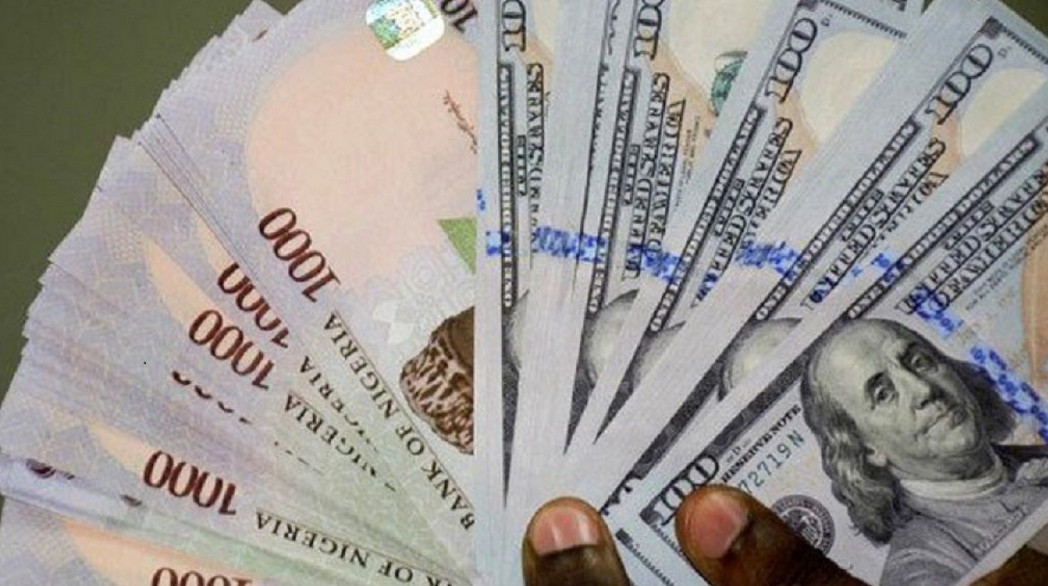
The Nigerian Naira began the trading week with measured stability, opening at N1,358.84 per Dollar in the official market on April 13. Early volatility saw the currency touch N1,362.08 before central bank liquidity management tethered it back to its starting range. This official rate reflects the ongoing effort by monetary authorities to curb wild fluctuations through strategic oversight. The market currently operates under a regime of “guarded sentiment” as participants await fresh economic data.
A wider gulf remains visible in the parallel market, where the Dollar trades between N1,460 and N1,485. This informal window continues to serve small businesses and individuals whose needs fall outside official banking channels. The persistent N100 premium over the official rate remains a sticking point for analysts. Convergence between these two tiers is the ultimate goal of current fiscal reforms, though demand remains stubborn.
Currency dealers in Lagos, Kano, and Abuja report steady volumes but cautious trading. For the average household, these numbers are more than mere statistics; they dictate the cost of bread, fuel, and transport. As Nigeria remains heavily dependent on imports, the daily movement of the greenback acts as a primary driver of domestic inflation. Corporate budgeters are similarly trapped in a cycle of constant price adjustments to protect their margins.
Financial experts suggest the Naira will likely hold its current position for the remainder of the day. There is little expectation of a dramatic shift in either direction without a significant policy intervention. The Central Bank appears content to let the currency find its level within a narrow band for now. Investors, however, remain wary of sudden shifts in liquidity that could upend this delicate balance.
The disconnect between official and informal rates continues to fuel arbitrage concerns. While the official window shows signs of “managed” stability, the black market serves as a barometer for actual dollar scarcity. Bridging this gap is essential for attracting the foreign direct investment the country desperately needs. Until then, the market will likely continue its horizontal crawl.
Nigeria’s economic health remains tied to the pulse of the foreign exchange market. Stability is a welcome relief after months of turbulence, but it is a fragile peace. The coming weeks will test whether the authorities can maintain this grip without depleting external reserves. For now, the trading floor remains quiet, and the rates remain steady.