


Naira Redesign: EFCC Witness Reveals Bank Hoarding During Naira Crisis.
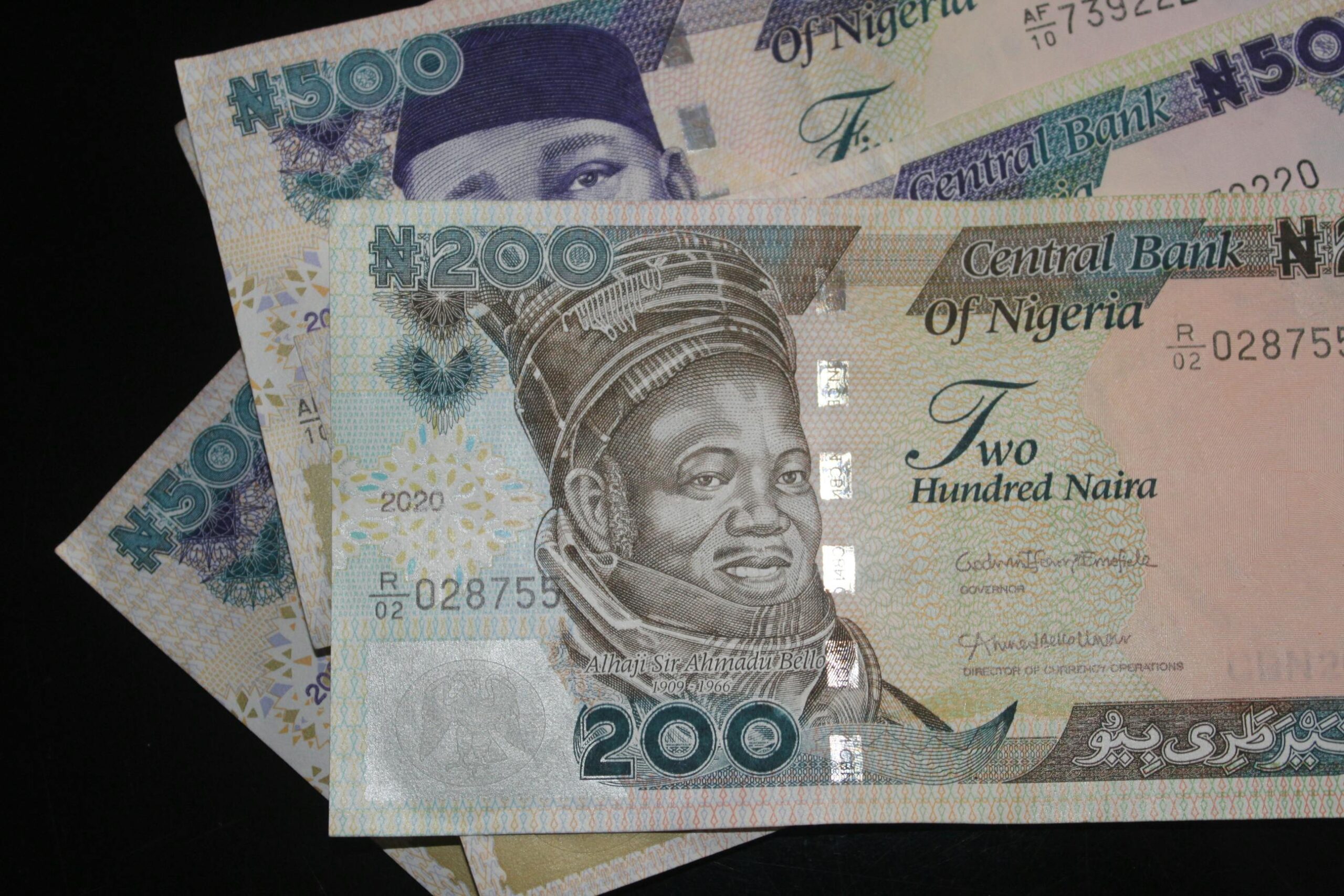
ABUJA — An investigator with the Economic and Financial Crimes Commission (EFCC) has officially linked commercial banks to the currency crisis of 2022. Testifying before the FCT High Court on Tuesday, Chinedu Eneanya confirmed that various banks hoarded newly redesigned notes. This institutional infraction reportedly intensified the severe cash scarcity that crippled businesses and households nationwide. Eneanya, the seventh prosecution witness, provided these insights during the ongoing trial of former Central Bank Governor Godwin Emefiele. Consequently, the defense team is now demanding specific records of these infractions to challenge the “hardship” charges against the former apex bank chief.
The witness admitted that a special task force uncovered these irregularities during nationwide monitoring exercises. He noted that bank officials willfully withheld the “mint” notes while Nigerians faced unprecedented queues at automated teller machines. Furthermore, the investigator stated that the commission kept detailed records of currency stock-taking across all commercial branches. However, when pressed by defense counsel Olalekan Ojo, SAN, the witness could not specify the exact number of banks involved. He requested a formal review of the records to refresh his memory on the specific identities of the erring institutions.
Conversely, the defense argued that the EFCC failed to arrest the bank officials responsible for these admitted infractions. Olalekan Ojo contended that the anti-graft agency is scapegoating his client for chaos fueled by third-party negligence. He insisted that the court must see the investigative reports to determine the true architects of the national suffering. Meanwhile, the prosecution objected to questions regarding arrests, claiming the witness only handled the technical validity of presidential approvals. The trial judge, Maryann Anenih, eventually ordered the witness to respond, highlighting the necessity of transparency in the high-profile proceedings.
In a related development, the court heard details concerning the procurement and printing of the redesigned currency notes. The witness confirmed that the Nigerian Security Printing and Minting Plc (NSPM) collaborated with a United Kingdom firm, De La Rue. He revealed that the former Managing Director of NSPM, Ahmed Halilu, provided critical email communications to the investigative team. These documents reportedly clarify the timeline between the initial redesign concepts and the eventual local production of the notes. Furthermore, previous testimonies suggested that the late President Muhammadu Buhari had explicitly mandated that all printing occur within Nigeria.
Ultimately, the trial hinges on whether Emefiele bypassed mandatory board approvals before implementing the controversial monetary policy. The EFCC maintains that the former governor acted illegally, causing widespread injury and financial loss to the public. As the court adjourned until March 19, the defense expects a full disclosure of all internal investigative documents. This legal battle continues to pull back the curtain on the opaque inner workings of Nigeria’s financial regulatory architecture. Only a thorough examination of these records will determine the extent of institutional culpability in the 2023 cash crunch.