
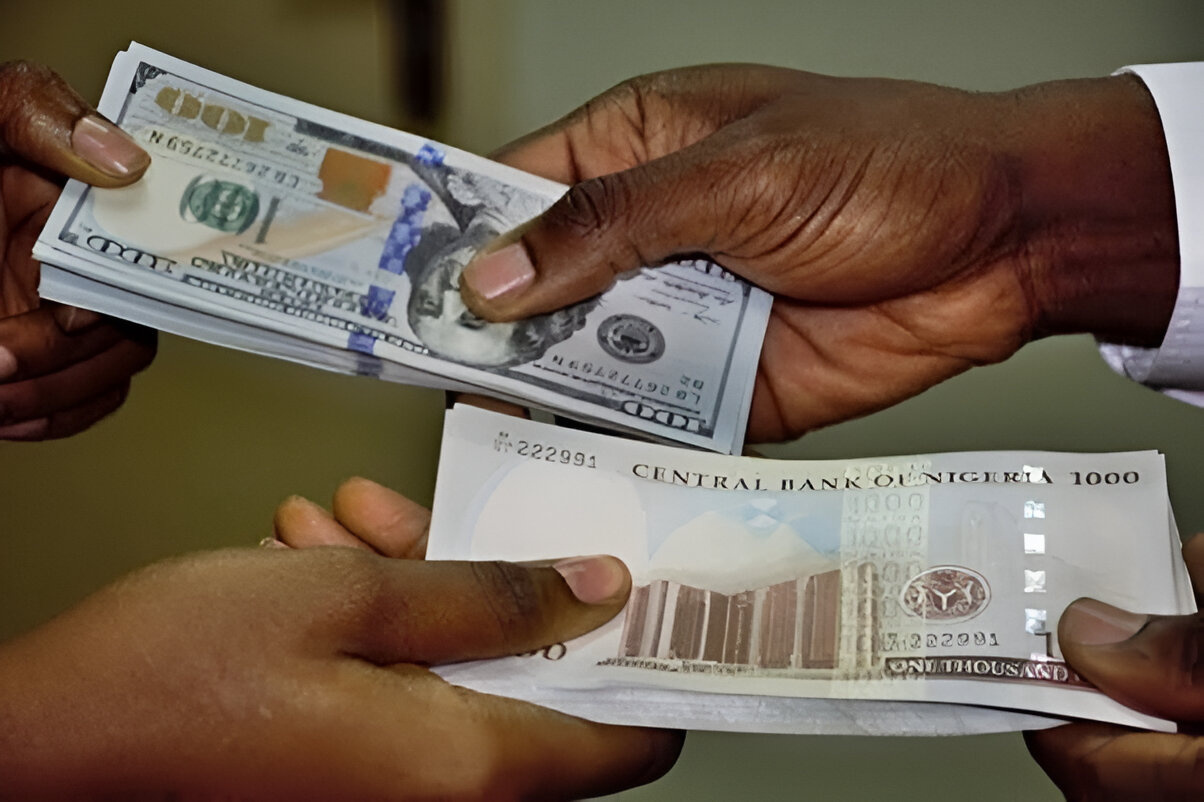
Nigeria’s naira slipped to N1,334 against the American dollar at the official foreign exchange market in mid-October 2026, recording marginal daily depreciation as commercial lenders absorbed steady corporate demand for import bills in Lagos. The Central Bank of Nigeria reported that the local currency weakened past N1,333 per dollar during midweek spot transactions, closing at an official central rate of N1,334.22 while retail quotes touched intraday highs of N1,335.00 before clearing. Stability remains an expensive pursuit.
The currency trades within an artificially calm corridor because central bank governor Olayemi Cardoso continues to defend exchange rate convergence by draining domestic credit through a punishing 23% benchmark lending rate. High policy rates choke commercial borrowers while rewarding foreign portfolio managers who buy short-term sovereign debt bills to pocket handsome yields. Dear money buys transient calm. While headline inflation cooled toward 14.6% in September, factory managers in Ikeja still pay extortionate interest rates that stall new capital investments and raise consumer prices across retail markets.
The central bank holds gross external reserves above 55 billion dollars, yet this substantial foreign cushion has not erased the stubborn gap separating bank floors from street traders. Black market currency operators in central Abuja quote the greenback at N1,375, maintaining a forty-naira margin that reveals persistent retail distrust in formal banking allocation channels. Dual prices invite arbitrage games. Importers of raw machinery still wait days for commercial letters of credit to clear, driving smaller merchants toward unofficial cash booths to settle time-sensitive trade obligations with Asian suppliers.
Cardoso insists that clearing legacy currency forward backlogs and enforcing transparent daily market turnover figures have restored investor trust in the Nigerian Autonomous Foreign Exchange Market. Daily trading turnover regularly tops 300 million dollars across hundreds of verified interbank deals, yet portfolio capital remains flighty money that flees at the first sign of regional political stress. Hot money demands nervous watchfulness. Western fund managers celebrate high treasury returns, but long-term industrial investors still hesitate to sink hard equity into fixed factory floors while the gap between official ledgers and street rates persists.
The federal government will sustain this narrow trading band only if crude oil exports rise toward the administration’s ambitious target of three million barrels a day. Exporting paper crude solves very little. Until domestic refineries run at full steam and agricultural output lowers food import bills, central bankers will remain trapped in a grinding cycle of hiking interest rates to protect the currency at the direct expense of wider economic growth.