
Nigeria Woos EU Investment to Revive Steel
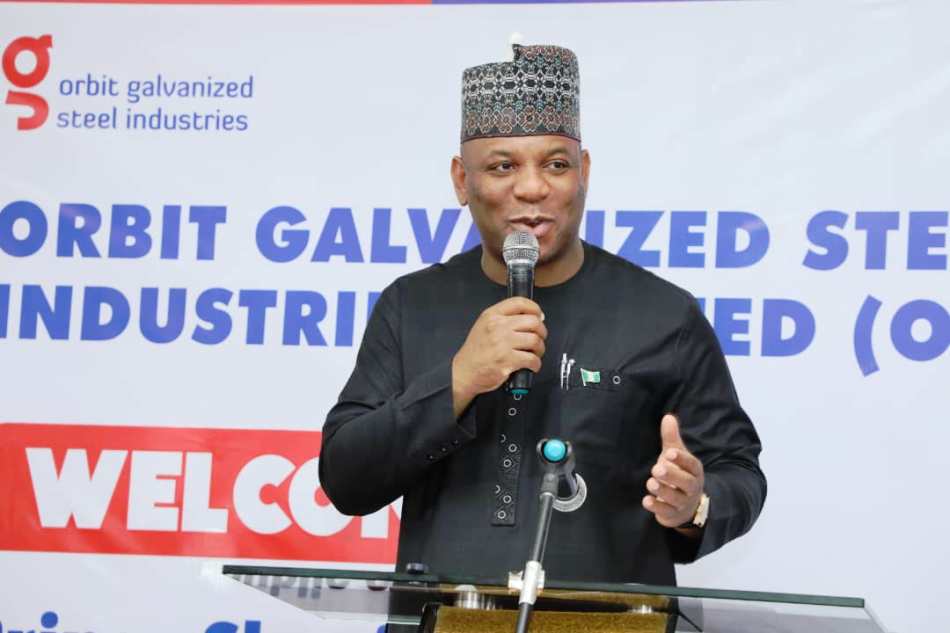
Nigeria is attempting to pivot from a raw materials exporter to a value-adding industrial power. Delivering a keynote address at the Nigeria–German Economic Forum in Dortmund this week (March 3–5, 2026), Steel Development Minister Shuaibu Abubakar Audu said the country needs European partners to fix its broken industrial chain. The government wants to stop shipping rocks and start smelting metal. In his words, “Nigeria is transitioning from a ‘raw materials exporter’ to a ‘value-adding industrial economy.” This shift is central to President Bola Tinubu’s economic agenda.
The scale of the internal market is the primary lure for investors. Nigeria spends roughly $10 billion annually on steel imports to meet domestic demand. This is a massive drain on foreign exchange reserves that the government can no longer afford. Building local capacity would turn a fiscal burden into an industrial engine. A population of 250 million provides both the workers and the customers for this transition.
Geology is on Nigeria’s side, even if infrastructure is not. The country holds over three billion tonnes of iron ore alongside significant deposits of limestone and manganese. These are the basic ingredients for a self-sufficient steel industry. There are also reserves of lithium and rare-earth minerals, which Europe desperately needs for its own energy transition. Nigeria wants to trade these “green” minerals for technical expertise and heavy machinery.
Raw materials alone do not make an industrial economy. The minister is asking the EU for help with more than just mining. Nigeria needs better power grids, functional railways, and efficient ports to move heavy goods. Without these, the cost of production will remain prohibitively high. The government is pitching these infrastructure gaps as separate investment opportunities for European firms.
Skill shortages remain a quiet but persistent hurdle. Decades of industrial decay have thinned the ranks of experienced metallurgists and engineers. The ministry is now pushing for formal technology transfer agreements as part of any new investment deals. It wants European firms to train the local youthful workforce rather than just flying in expats. Long-term growth requires a domestic class of technicians who can run modern mills.
European investors remain cautious despite the warm rhetoric in Dortmund. They remember previous failed attempts to jumpstart the Ajaokuta steel plant and other state-led projects. The current administration must prove that this push for “mineral beneficiation” is a commercial reality rather than a political slogan. If the EU bites, Nigeria could finally bridge the gap between its vast mineral wealth and its thin industrial base.