

Nigerians Face New U.S. Travel Curbs as Trump Administration Expands Immigration Restrictions
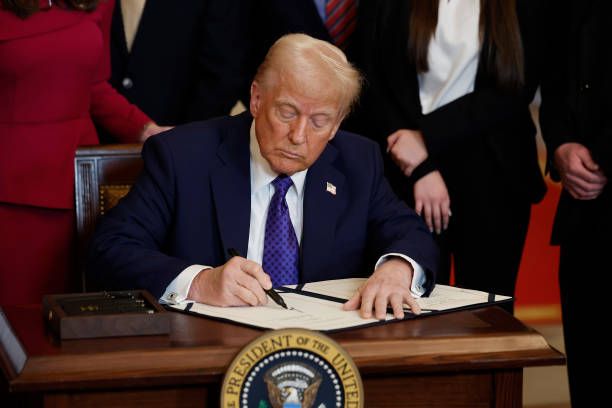
A fact sheet released by the White House on December 16, 2025, said the new measures target countries with what it described as “persistent and severe deficiencies” in their screening, vetting, and information-sharing systems. The proclamation, titled “President Donald J. Trump Further Restricts and Limits the Entry of Foreign Nationals to Protect the Security of the United States,” stressed that the policy is data-driven and designed to safeguard Americans.
Nigeria is among 15 countries newly placed under partial entry restrictions. Others include Angola, Antigua and Barbuda, Benin, Côte d’Ivoire, Dominica, Gabon, The Gambia, Malawi, Mauritania, Senegal, Tanzania, Tonga, Zambia, and Zimbabwe. Nationals of these countries may now face stricter visa requirements, reduced eligibility for certain categories of entry, or heightened screening procedures at U.S. borders.
The proclamation also retains full entry restrictions on citizens of 12 countries previously listed under Proclamation 10949. These are Afghanistan, Burma (Myanmar), Chad, the Republic of the Congo, Equatorial Guinea, Eritrea, Haiti, Iran, Libya, Somalia, Sudan, and Yemen.
In addition, five new countries—Burkina Faso, Mali, Niger, South Sudan, and Syria—have been added to the full restriction list. Individuals travelling with documents issued by the Palestinian Authority are also affected. Meanwhile, Laos and Sierra Leone have been upgraded from partial to full restrictions, while Burundi, Cuba, Togo, and Venezuela remain under partial limits.
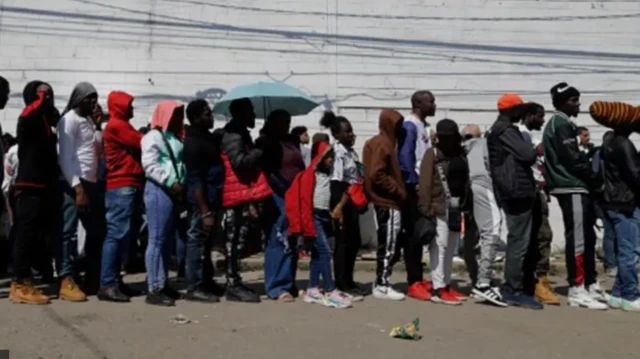
Despite the expansion of the travel ban, the White House noted that several exemptions remain in place. Lawful permanent residents of the United States, holders of valid existing visas, diplomats, certain athletes, and individuals whose entry is considered to be in the U.S. national interest will not be affected by the new rules.
The decision is expected to spark debate in affected countries, including Nigeria, where travel to the United States for education, business, and family ties remains significant.