
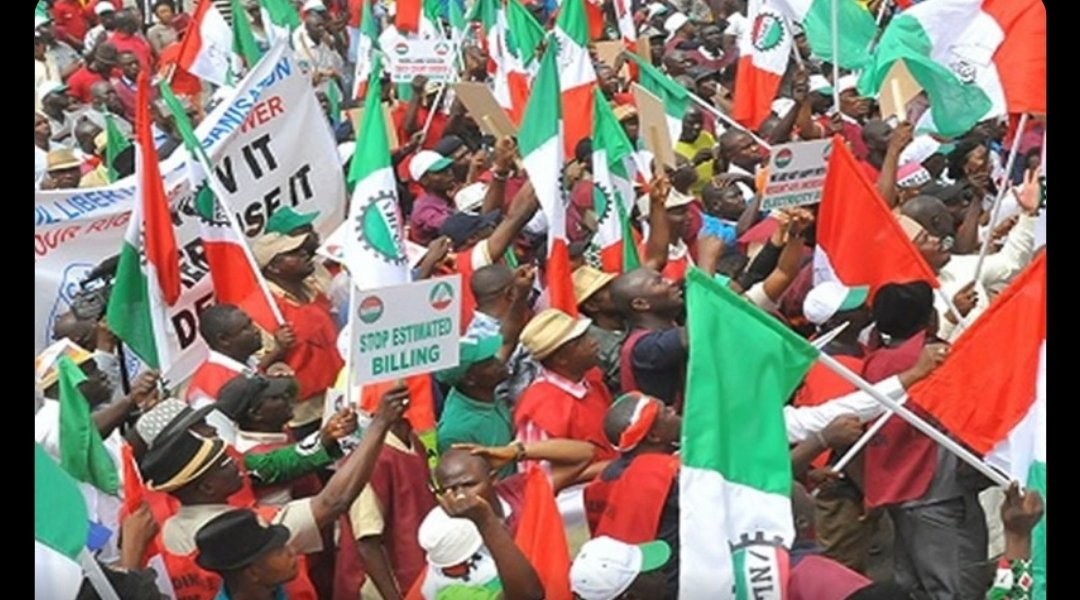
The Nigeria Labour Congress suspended its two-week indefinite strike across the Federal Capital Territory on Tuesday, ordering classroom teachers and municipal workers to resume duties on Wednesday morning. Council chairman Knabayi Adalo announced the breakthrough inside Labour House following marathon conciliatory talks with the Federal Capital Territory Administration, the Nigeria Union of Teachers, and federal labour officials. Protracted strikes paralyse basic public schooling quickly. The dispute originated on 7 October when organized labour shut down government operations over stalled promotion examinations and unfair administrative policies that blocked classroom instructors from advancing within the capital civil service.
The settlement hinges on substantial executive concessions regarding career ladders and promotional quotas for long-neglected municipal education officers. Administration directors agreed to align future promotion vacancies with official posts declared by the education secretariat, while pending retirements among senior directorate staff will free up executive slots for junior teachers. Closed promotion paths demoralise public servants. The territory’s executive council also approved the stalled 2025 promotion examination, sending clear instructions to the local civil service commission to set a fresh testing date for qualified candidates across all Abuja area councils.
Both parties defused an explosive operational dispute by freezing a divisive policy that shoved senior teachers back into crowded classrooms after extending their service under the Harmonised Retirement Age Act. The labour congress accepted a temporary truce, yet union leaders immediately established a vigilant monitoring panel to track every administrative promise against strict delivery timelines. Pledges written on paper feed no hungry households. The agreement shields all striking workers from administrative victimisation, salary deductions, or official retribution for participating in the shutdown.
The Abuja strike exposes the fragile social peace that exists between Nigerian state administrators and poorly paid frontline civil servants coping with rapid inflation. Shuttering primary and secondary schools for two straight weeks leaves working parents stranded and deprives thousands of working-class pupils of essential instruction while senior bureaucrats squabble over basic administrative tests. Broken promises ruin classroom morale everywhere. The Federal Capital Territory Administration must now execute each signed pledge with speed, because the labour congress warned that any fresh bureaucratic deceit will spark an immediate walkout without notice.