
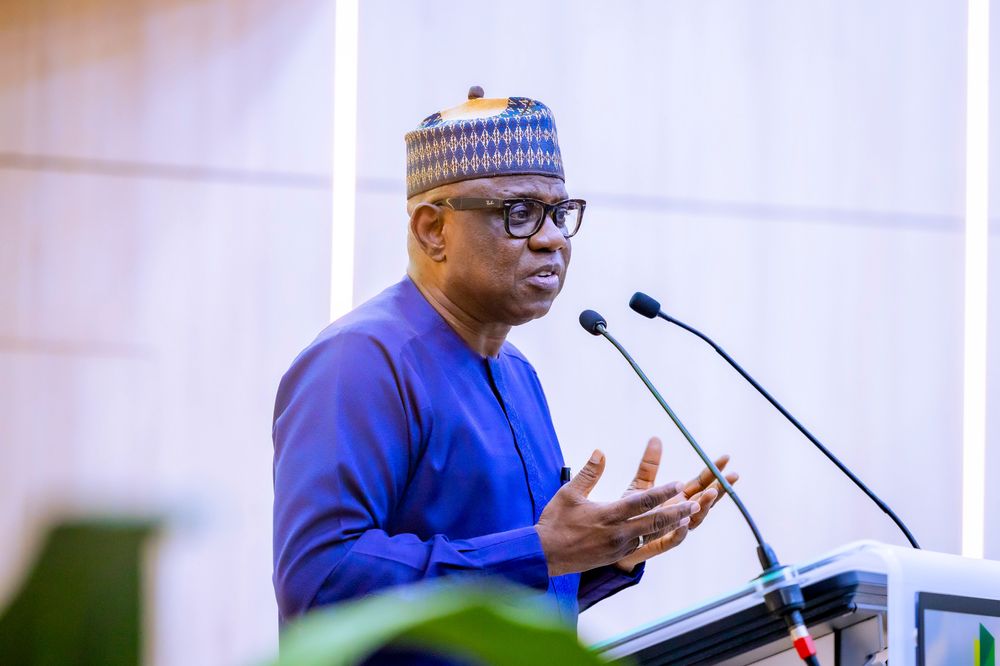
Systemic industry reforms lifted Nigeria’s daily crude output by 600,000 barrels to hit 1.8 million barrels on 3 November 2026. State oil chief Bashir Bayo Ojulari delivered the production update during an international energy summit in Abu Dhabi. Regulatory changes under the Petroleum Industry Act allowed state engineers to fix cracked pipeline networks and secure coastal export terminals. Numbers speak louder than promises.
Upstream operators now target two million barrels daily by 2027 to rebuild foreign exchange buffers. Managing existing fields and protecting remote wellheads form the core of this operational push. State managers rely on baseline asset audits to direct limited capital toward high-yield extraction sites. Higher crude flows give public treasuries essential revenue to fund national infrastructure budgets.
Domestic gas expansion programs parallel the crude recovery to reduce reliance on refined petrol imports. Field engineers completed the Obiafu-Obrikom-Oben gas pipeline in August 2026 to feed industrial processing plants. Transport operators converted over 1,000 heavy haulage trucks to compressed natural gas following fuel subsidy cuts. Expanding regional pipeline networks strengthens commercial trade links across West and North Africa.
Fresh commercial agreements locked in 20 billion dollars in foreign investment commitments from international energy majors. Global producers including TotalEnergies and Shell are advancing deepwater developments off the Niger Delta coast. Foreign oilfield service firms are expanding local technical capacity to accelerate drill rig deployments. Investor confidence recovers when legal frameworks offer stable commercial terms.
State executives must maintain field security to prevent crude theft from wiping out recent production gains. Local communities need direct economic benefits from resource extraction to prevent pipeline sabotage along riverine corridors. Public auditors expect complete financial disclosure across all newly signed joint venture deals. Sustaining output growth demands unyielding operational discipline across every field asset.
Pumping more crude offers temporary fiscal relief, but real economic stability requires deep structural diversification. The state oil firm must meet its output targets to build public trust among foreign capital providers. Managing daily operations efficiently matters far more than issuing ambitious growth projections from foreign conference halls. Execution will separate real industry recovery from brief production spikes.