
Chris Okpoko
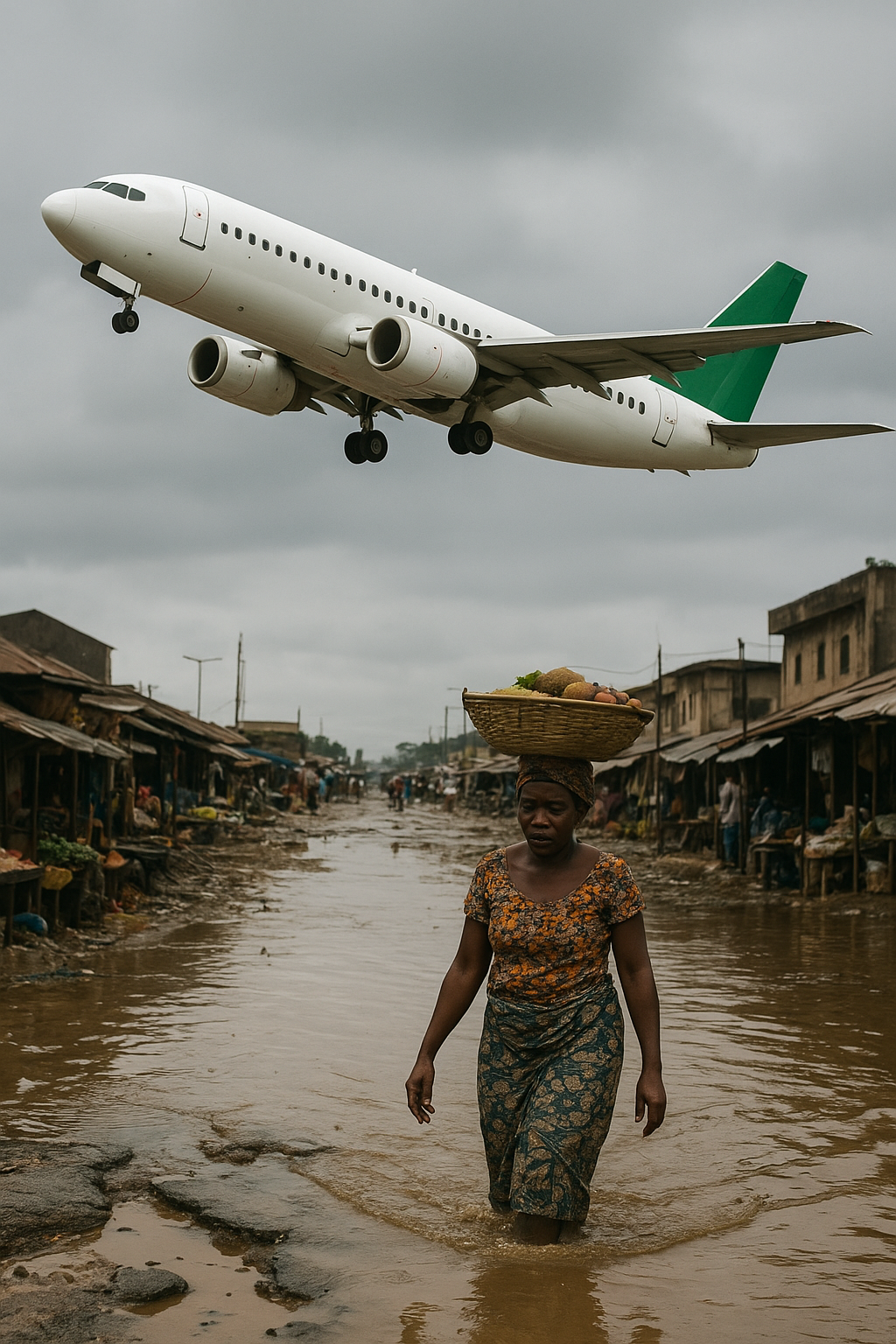
In recent years, the practice of funding religious pilgrimages has sparked a substantial debate in Nigeria. Pilgrimages to holy sites such as Mecca or Jerusalem are deeply rooted in the traditions of many Nigerians, and they hold significant spiritual value for millions. However, as the nation grapples with escalating poverty rates and economic challenges, the question arises: Should Nigeria continue to prioritize funding these sacred trips, or should it redirect its resources towards alleviating the pressing issues faced by its citizens? This article argues that Nigeria should stop funding religious trips and instead prioritize initiatives that alleviate poverty and improve its citizens’ quality of life.
Nigeria, Africa’s most populous country, is home to over 200 million people, comprising diverse cultures, religions, and traditions. With a GDP that ranks among the largest on the continent, Nigeria faces significant challenges, particularly in education, healthcare, infrastructure, and security. The country has experienced changes in its economic landscape, worsened by issues such as systemic corruption, poor management, and external factors, including fluctuations in global oil prices.
Recent analyses highlight an alarming trend. Late 2025 projections from the World Bank indicate that by 2026, Nigeria’s poverty rate could climb to over 60%. This potential scenario paints a grim picture, where millions of Nigerians may find themselves grappling with the harsh realities of poverty, including a lack of access to necessities such as clean water, food, healthcare, and education. In such times of crisis, the allocation of public funds becomes a moral and ethical consideration.
The practice of funding pilgrimages is not just a personal choice; it involves significant state resources. The Nigerian government has historically allocated funds for its citizens’ pilgrimages, ostensibly to support their spiritual journeys. However, these expenditures come at a time when the country desperately needs these funds for more urgent matters such as healthcare, education, security, and social welfare programs.
For instance, media reports indicate that the Federal Government and no fewer than 21 states spent a total of N120 billion on subsidies for Christian and Muslim pilgrimages in the last three years. In 2024 alone, facing a sharp rise in Hajj fares due to foreign exchange instability, President Bola Tinubu approved a N90bn subsidy. Fourteen governors supplemented this with an additional ₦15bn.
Despite mounting debt burdens, at least 10 Nigerian state governments have collectively spent more than ₦13.1 billion on the 2025 Hajj pilgrimage, according to the Foundation for Investigative Journalism.
In fact, in a move to accommodate more of its citizens for the 2026 Hajj, the Kebbi State Government has approved a ₦10 billion loan facility to secure an extra 1,300 pilgrimage slots. This strategic intervention ensures the state not only protects its initial allocation but also expands access for aspiring pilgrims. The announcement was made by the Chairman of the Kebbi State Pilgrims Welfare Agency, Alhaji Faruku Aliyu-Yaro, during a press briefing held in Birnin Kebbi on Saturday. He emphasized that the loan was essential to meet the December 5 deadline set by the National Hajj Commission of Nigeria (NAHCON), thereby preventing the potential loss of slots for hundreds of residents.
While religious pilgrimages hold profound significance for many Nigerians, it is essential to evaluate these practices within the broader context of societal needs. The argument that pilgrimage enriches the lives of participants cannot be overshadowed by the immediate and pressing needs of those who remain at home. Sacrosanct though it may be, the act of pilgrimage must coexist with societal responsibilities that ensure every Nigerian has access to the essentials of life.
In various instances, religious leaders and organizations have emerged to champion the cause of helping the poor and disadvantaged within their communities. Instead of seeking state sponsorship for pilgrimages, these entities could mobilize resources for poverty alleviation projects, providing remedies for the critically underserved populations. This paradigm shift towards community-focused initiatives could harness the same passion and dedication that motivate pilgrimages into efforts that yield tangible benefits for society at large.
From an economic perspective, funding of holy trips represents not just a misallocation of resources but also an opportunity cost. The financial investment made to send citizens on religious journeys could be redirected toward programs aimed at enhancing economic productivity. For example, investing in vocational training, entrepreneurship initiatives, or agricultural development could significantly improve living standards and stimulate local economies.
As Nigeria stands on the brink of a potential economic crisis, the need to rethink expenditure priorities becomes evident. Government funds used for spiritual journeys could yield more substantial returns if diverted toward developing infrastructure, healthcare systems, and educational institutions. These sectors form the backbone of a thriving society and, in turn, empower citizens to uplift themselves from poverty rather than relying on occasional spiritual odysseys.
An important aspect of this discussion is the ethical dilemma faced by Nigerian policymakers. Should the government endorse and fund activities deemed spiritual and necessary for individual faith, or should it prioritize the collective well-being of its populace? This question underscores a critical tension between individual rights to religious expression and the government’s obligation to safeguard the welfare of its citizens.
Communities often rally around the shared values enshrined in their religions, which can drive fruitful discussions about both spiritual and temporal solutions to hardship. Faith-based organizations play an essential role in addressing social issues. By promoting initiatives aimed at poverty alleviation, health education, and community development, these groups can help bridge the gap between spiritual aspirations and practical societal needs.
Rather than completely abolishing the practice of pilgrimage, Nigeria could consider alternative methods that ensure individuals can still fulfill their spiritual needs without burdening the state’s resources. Implementing a voucher system for pilgrimage costs, wherein the government subsidizes a portion of expenses based on income levels, could enable those most enthusiastic about making the pilgrimage to do so while preserving funds for critical services.
Moreover, fostering partnerships between religious organizations and local governments can create a symbiotic relationship where both spiritual and societal needs are met. For instance, pilgrimage trips could include community service components, encouraging participants to engage in humanitarian efforts at their destinations or upon their return, effectively blending faith with social responsibility.
As Nigeria confronts a critical juncture in its development journey, the imperative for responsible governance becomes increasingly clear. The projections indicating a skyrocketing poverty rate signal an urgent call to action. While the importance of religious pilgrimage cannot be understated, the government must reconsider its funding priorities in favor of initiatives that address the immediate concerns of its citizens’ welfare.
Funding holy trips, while culturally and personally significant, should not eclipse the pressing responsibility to eradicate poverty and improve living conditions for the millions of Nigerians who desperately need support. By shifting the focus towards community empowerment, education, and economic development, Nigeria can create a future where spiritual fulfillment coexists with material well-being—a future in which every citizen can thrive, not just those on a spiritual journey.