
Pope Leo XIV Begins Historic African Tour Amid Global Tensions
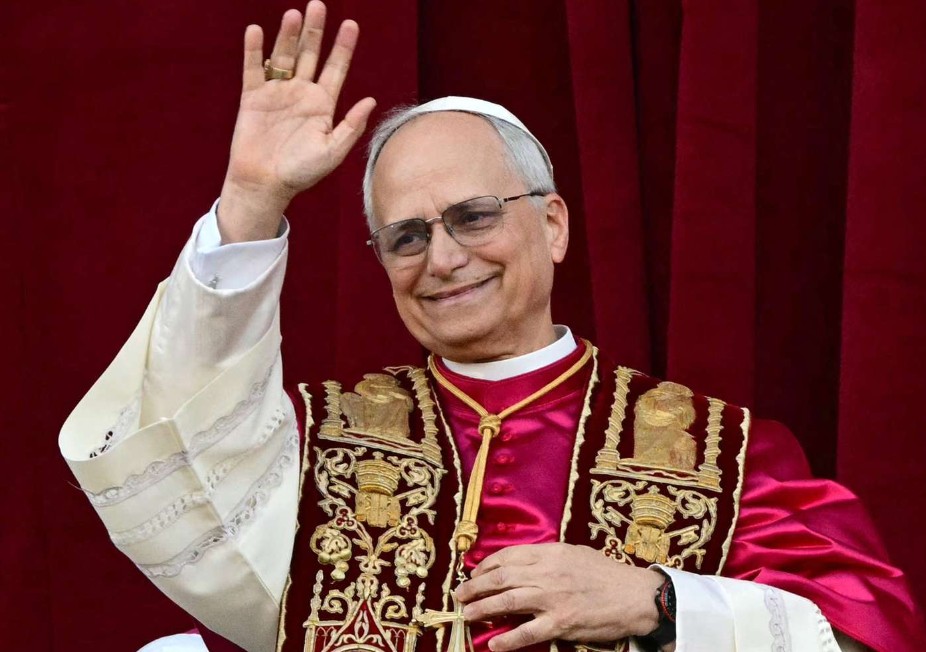
Pope Leo XIV departs Rome on Monday for an 11-day, 18,000-kilometre tour of Algeria, Cameroon, Angola, and Equatorial Guinea. The trip marks the American-born pontiff’s first major foreign mission since his election in May 2025 and comes at a moment of acute global instability. Over the course of the four-nation visit, the 70-year-old head of the Catholic Church will deliver 11 speeches and preside over seven masses. Beyond spiritual duties, Leo is expected to navigate complex diplomatic minefields involving Islamic dialogue, human rights, and the equitable distribution of mineral wealth.
The tour begins in Algeria, where Leo will make history as the first pope to visit the North African state. With Islam as the state religion, the visit is a high-stakes exercise in interfaith relations, including a planned stop at the Great Mosque of Algiers. The Pope, himself a member of the Augustinian order, will also travel to Annaba, the ancient home of Saint Augustine. Human rights groups have already urged the pontiff to address the treatment of religious minorities with President Abdelmadjid Tebboune during their scheduled meeting.
In Cameroon, the Pope enters a nation fractured by nearly a decade of conflict in its English-speaking northwest. Leo is slated to celebrate mass in Bamenda, the epicentre of the violence, under heavy security. The Catholic Church has acted as a mediator in the civil strife, and Leo’s visit is seen as an attempt to bolster peace efforts. He will also meet the 93-year-old President Paul Biya, whose long-standing grip on power has frequently drawn private and public rebukes from local senior clergy.
The Angolan leg of the trip will focus on the “resource curse” that plagues the oil-rich southern African nation. While Catholics comprise 44% of the population, the visit has drawn mixed reactions from citizens wary of the high cost of the papal reception amidst widespread poverty. Leo is expected to visit the historic Muxima village, a site linked to the former slave trade, to speak on social justice and corruption. His message will likely emphasize that the country’s mineral wealth must benefit the millions currently living in Luanda’s sprawling slums.
The final stop in Equatorial Guinea presents a delicate diplomatic challenge. Pope Leo will be the first pontiff to visit the country in nearly fifty years, but he must do so under the “iron-fisted” rule of President Teodoro Obiang Nguema Mbasogo. While 80% of the population is Catholic, critics worry the visit could be interpreted as a papal endorsement of the authoritarian regime. Observers expect the Pope to use his platform in Malabo to deliver a subtle but firm message on human rights.
This tour is Leo’s fourth international outing, following brief trips to Turkey, Lebanon, and Monaco. However, the scale and geographic breadth of this mission signal his intent to prioritise the Global South in his papacy. As the world grapples with energy shocks and the fallout of the Middle East war, the Pope’s focus on Africa suggests a desire to position the Church as a moral voice for the world’s most vulnerable regions.