

Senate Announces March 17 Deadline for Final Passage of ₦58 Trillion 2026 Budget
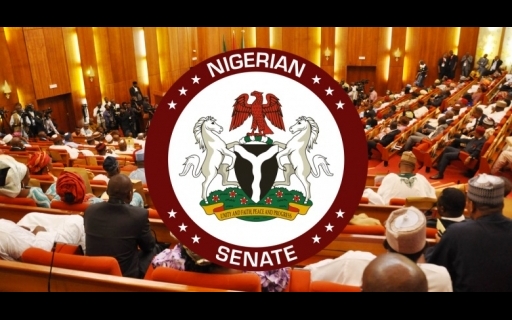
The Nigerian Senate has officially fixed March 17 for the passage of the 2026 budget. This announcement targets the swift approval of the ₦58 trillion “Budget of Sustainable Growth.” Senate President Godswill Akpabio disclosed this timeline during a plenary session held earlier this week. The upper chamber aims to return the nation to a predictable January-December budget cycle. Furthermore, the Senate has directed all relevant committees to conclude budget defense sessions immediately. This move signals a significant push to harmonize fiscal planning with national development goals.
The 2026 appropriation bill prioritizes infrastructure, security, and the stabilization of the national economy. President Bola Tinubu originally presented the record-breaking fiscal document to a joint National Assembly session. Active voice directives now mandate that government agencies defend their allocations within the next week. Furthermore, the Senate Committee on Appropriation must submit its final report by early March. This timeline allows for a thorough review before the final vote on March 17. Consequently, the executive arm of government expects to begin implementation by the second quarter.
Conversely, some lawmakers have expressed concerns regarding the brevity of the review period. They argue that a ₦58 trillion budget requires meticulous scrutiny to prevent fiscal leakages. In a related development, civil society organizations are calling for increased transparency during committee hearings. They insist that the public must understand how the government intends to fund the deficit. Furthermore, the fluctuation of global oil prices remains a critical variable for revenue projections. The Senate, however, maintains that the current schedule provides sufficient time for rigorous oversight.
The proposed budget relies heavily on improved tax collection and non-oil revenue streams. Analysts suggest that the ₦58 trillion figure reflects the current inflationary realities in Nigeria. Furthermore, the government intends to allocate significant portions to debt servicing and social welfare. This fiscal strategy seeks to cushion the effect of recent economic reforms on citizens. The Senate President emphasized that the legislature will not tolerate delays from any ministry. Furthermore, the House of Representatives is expected to align with this specific legislative calendar.
Looking ahead, the successful passage of the budget will trigger several high-impact capital projects. The construction of major highways and the upgrade of power plants remain top priorities. Furthermore, the education and health sectors will receive substantial boosts if the bill passes. The March 17 deadline serves as a vital benchmark for the current administration’s efficiency. Consequently, the eyes of the international investor community remain fixed on the National Assembly. A timely budget passage often signals political stability and institutional readiness for economic growth. Nigeria’s journey toward fiscal sustainability enters a decisive phase with this latest legislative commitment.