
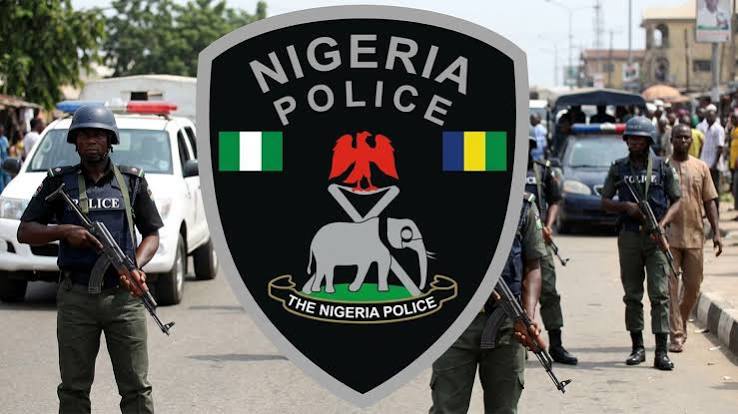
The push to give Nigeria’s states their own police forces moved forward on two fronts on Tuesday. The Presidential Working Group on the National Policing Bill said it had handed the draft National Policing Bill, 2026, and 29 consequential amendment bills to the Ministry of Justice for review. On the same day, the Ogun, Delta, Kwara, Adamawa, Cross River and Nasarawa Houses of Assembly approved the constitutional amendment that would make state policing possible, a day after Plateau did the same.
With Edo, Osun, Oyo, Rivers and Zamfara already on record, at least 12 of the 36 state assemblies have now endorsed the proposal. Section 9 of the 1999 Constitution requires approval from two-thirds of the assemblies, or 24, so the bill still needs at least 12 more. Only four states had approved it in early October. Adamawa passed 24 of the 26 clauses and rejected two, which the chairman of its House Committee on Information, Musa Kallam, said were not properly defined.
The Constitution (Sixth Alteration) Bill, 2026, amends section 214 to replace the single Nigeria Police Force with a Federal Police Service and State Police Services. The Senate passed it on June 24 and the House of Representatives on July 23. The Clerk to the National Assembly, Kamoru Ogunlana, transmitted it to the states on September 16 and asked for their decisions within 30 days, a window that has since closed.
The Senate says the missed deadline is no cause for alarm. Its spokesman, Senator Yemi Adaramodu, explained that the 30 days were meant for states to send in their positions, adding, “the 30-day deadline is not for us.” He said the Senate remained committed to passing the legislation before the end of the year.
The executive track is running alongside. President Bola Tinubu inaugurated the seven member working group, chaired by his Chief of Staff, Femi Gbajabiamila, on July 7, with a mandate to produce a “technically robust, implementation-ready” draft. According to the group’s statement, the bills were submitted to the Attorney-General of the Federation on October 19, and the ministry is expected to return validated drafts on or before October 30.
That date sits awkwardly with an earlier promise. On October 15, Gbajabiamila told State House correspondents the policing bill was “90 per cent ready” and would go to the National Assembly on October 29, a day before the validation deadline. Kamarudeen Ogundele, Special Assistant on Media to the Attorney-General, declined to commit to any timeframe, saying the process must follow due procedure. The Senate also said it would not comment on the executive’s timeline until it formally received the bills.
The case for reform rests largely on manpower. The Nigeria Police Force has an estimated 371,800 personnel for a population above 230 million, a ratio of roughly one officer to 636 people. The Alumni Association of the National Institute has put the effective ratio closer to one to 740, once officers on special duties such as VIP protection are excluded. Both figures fall short of the commonly cited United Nations benchmark of one officer to 450 citizens.
Lawmakers who voted this week leaned on the same argument. Presenting Plateau’s committee report, Professor Theodore Maiyaki cited prevailing security challenges and the shortage of manpower in the police. In Delta, Majority Leader Emeka Nwaobi said a dual system would allow states “to establish and fund their own police services” to tackle insecurity at the local level.
Nigeria has tried decentralised policing before. Native Authority and regional police forces operated during the First Republic before they were absorbed into a single national force under military rule, partly because of complaints that politicians used them against opponents. That history explains the most persistent objection to the current proposal: that governors could turn state police into political tools.
Supporters say the new framework addresses that risk. Kallam said the constitutional alteration had set limits on governors’ powers over state police, and that the National Assembly could still amend the Constitution if further safeguards were needed. Plateau’s committee said the proposal includes safeguards on human rights, operational standards, accountability and coordination.
Key questions remain unanswered because the draft policing bill has not been made public. How states will fund their services, how recruitment will work and how federal and state commands will coordinate are matters the bill is expected to settle. In Kebbi, the amendment has been referred to the House Committee on Internal Security, while several other assemblies have yet to vote.
The next steps are clear on paper. Once 24 assemblies approve, the amendment goes to the President for assent, while the policing bill must pass through the National Assembly. Delta’s Speaker, Emomotimi Guwor, who also chairs the Conference of Speakers, described his assembly’s vote as “a significant step towards the establishment of State Police in Nigeria.”