


South Korea’s Ex-President Yoon Sentenced to Life
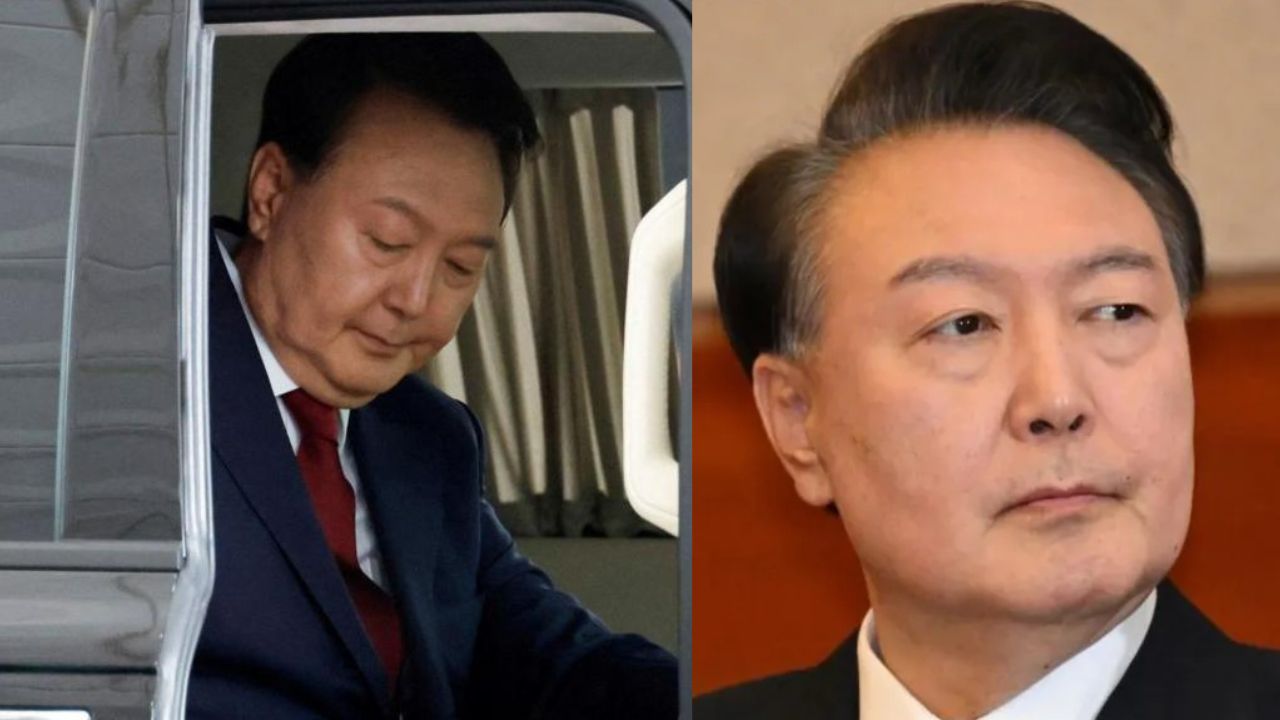
A court in Seoul has sentenced former president Yoon Suk Yeol to life imprisonment for insurrection. Judges ruled that his December 2024 martial law order deliberately sought to cripple the legislature. The Seoul Central District Court delivered the judgment after months of high-profile proceedings. Presiding judge Ji Gwi-yeon said Yoon deployed armed troops to the National Assembly. Consequently, the bench concluded that he intended to silence political opponents and obstruct legislative functions.
Yoon had addressed the nation in December 2024 to announce an emergency rule. He argued that anti-state forces threatened national stability and required firm suppression. However, prosecutors contended that he weaponised constitutional powers for partisan preservation. The court accepted that argument and described the decision as calculated and destabilising. Furthermore, the judges stressed that the declaration produced significant institutional disruption. They noted that democratic governance stalled during the crisis period. Above all, the court observed that Yoon expressed little remorse throughout the trial. Therefore, it imposed life imprisonment, the harshest penalty available under the law.
Notably, South Korea has prosecuted former leaders before, yet this ruling carries distinct weight. It underscores judicial willingness to confront executive overreach without hesitation. Meanwhile, analysts argue that the verdict may reshape conservative politics nationwide.
Indeed, the case signals that constitutional boundaries remain enforceable, even against presidents. Although Yoon once commanded electoral legitimacy, the court prioritised institutional survival. Consequently, the judgment reinforces democratic accountability within South Korea’s political system.
Above all, the ruling affirms a fundamental principle. No elected leader, however powerful, operates above the law.