
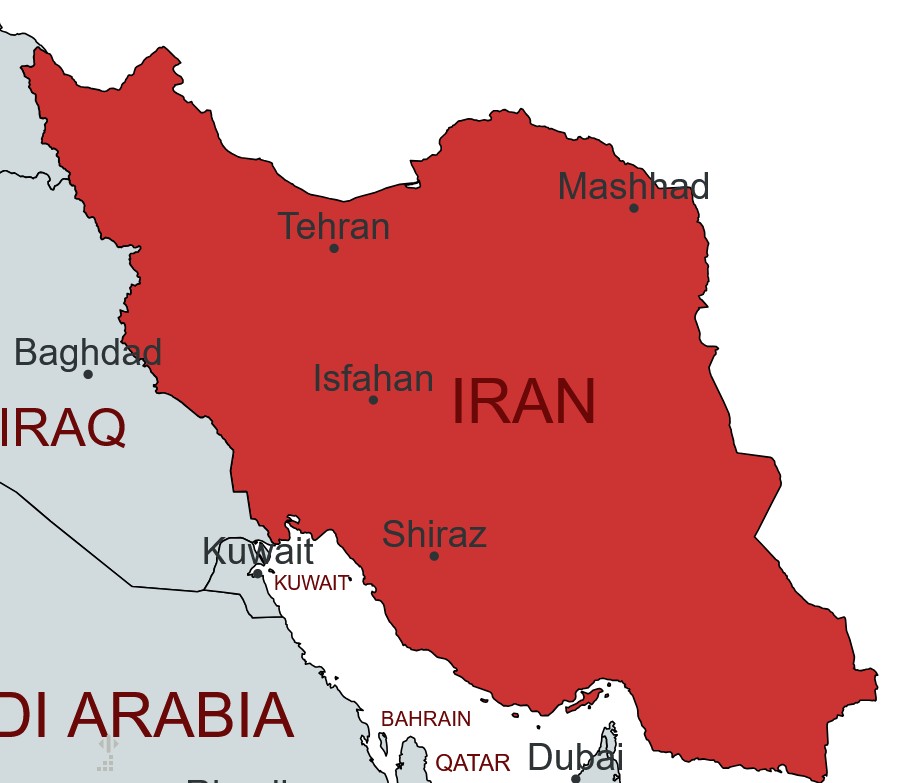
Iran’s armed forces chief of staff, Major-General Ali Abdollahi, declared on 24 October that Tehran will stop American military vessels from entering the Persian Gulf under any circumstances. The provocative decree directly challenges Western naval dominance across the Strait of Hormuz, where international tanker traffic already endures record rates of naval mine and missile strikes. Strategic sea lanes have become shooting galleries.
Energy traders took the warning seriously and sent Brent crude climbing past 117 dollars a barrel to reach fresh four-year records. Skyrocketing tanker insurance rates and disrupted voyages rapidly drain emergency petroleum stockpiles held by consuming nations across Europe and East Asia. Oil markets abhor tight bottlenecks.
The maritime standoff deepens as US President Donald Trump threatens fresh strikes on Iranian positions following weeks of clashes. Washington responded to growing missile attacks by pulling non-essential diplomatic staff and their families out of Saudi Arabia, Jordan, and the United Arab Emirates. Regional embassies now operate on skeleton crews.
Yemen’s Houthis compounded the turmoil by firing a ballistic missile towards Riyadh before Saudi air defences intercepted the incoming weapon. Simultaneous ground battles around Taiz choke water deliveries to one million besieged residents, turning everyday survival into an expensive ordeal. Prolonged sieges exact brutal civilian tolls.
Further north, Israeli ground troops locked down the occupied West Bank and arrested dozens of Palestinians after a shooting in Hebron killed two soldiers. Prime Minister Benjamin Netanyahu ordered the sweeping dawn raids across Nablus and Jenin just days before voters head to parliamentary polls. Tough talk always sells before elections.