
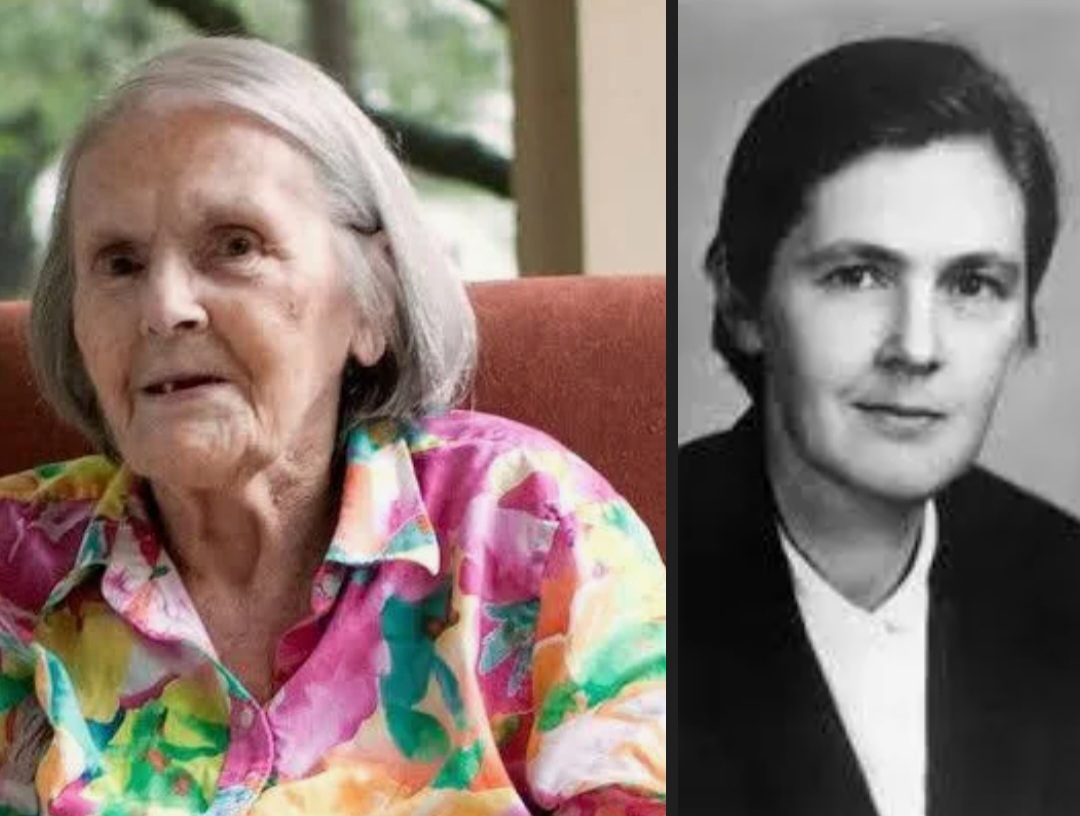
Mobola Johnson
In 1960, a newly hired medical officer at the U.S. Food and Drug Administration found herself at the center of a decision that would shape modern drug safety. Frances Oldham Kelsey had been at the agency for only a month when the application for a sedative called thalidomide landed on her desk. The drug was already popular across Europe, promoted as safe for anxiety and morning sickness, and its American distributor expected quick approval.
Kelsey approached the file with routine caution, but the more she read, the more the gaps stood out. The company’s studies were incomplete. Animal research was thin. There was almost no data on how the drug affected pregnancy. Much of the evidence consisted of promotional claims masquerading as scientific documentation. She asked for more information, and the company pushed back immediately.
At the time, FDA rules allowed a drug to be delayed only sixty days at a stretch. Each time Kelsey requested additional data, the countdown restarted. Every cycle brought more pressure from Richardson Merrell, the company desperate to launch the drug in the United States. Representatives visited her office repeatedly, urged her supervisors to overrule her, and insisted that other countries had already approved the drug without issue.
Kelsey held her position. Her insistence came partly from earlier research at the University of Chicago, where she had studied how medications cross from pregnant animals into developing embryos. Something about thalidomide’s thin data set raised questions she refused to ignore.
While the company pressed for approval in the United States, a quiet disaster was unfolding in Europe. Doctors began reporting babies born with severe limb deformities and organ malformations. Two researchers, in Germany and Australia, eventually connected the cases to thalidomide use during early pregnancy. By the time many countries pulled the drug from shelves in 1961, more than ten thousand children had been affected.
Because Kelsey refused to sign off on the application, thalidomide never made it to American pharmacies. Even so, doctors distributing samples during clinical trials caused a small number of birth defects, but the scale was far smaller than what occurred abroad. The contrast between the American and European outcomes drew national attention.
In 1962, the Washington Post published a front-page story highlighting Kelsey’s persistence. Public outrage followed, aimed both at the tragedy overseas and the attempt to push the drug through without adequate testing. On August 7 of that year, President John F. Kennedy presented Kelsey with the President’s Award for Distinguished Federal Civilian Service, praising her judgment and integrity.
Her work did not end there. The thalidomide episode became a catalyst for sweeping reforms. Later in 1962, Congress passed the Kefauver-Harris Drug Amendments, which required drug manufacturers to prove both safety and effectiveness, report side effects, and obtain informed consent during clinical trials. Kelsey helped shape and enforce these new standards through her leadership roles within the FDA, and her team became known for its uncompromising investigations.
Kelsey remained at the agency until her retirement in 2005, leaving behind a record of rigorous oversight that influenced regulatory systems around the world. In 2010, the FDA created an award in her name to honor excellence and courage in protecting public health. She received the first one at age ninety-six. She spent her final years in Canada and died in 2015 at the age of one hundred and one.
Frances Oldham Kelsey did not discover a cure or pioneer a new drug. Instead, she insisted on evidence at a moment when the cost of lowering standards would have been catastrophic. Her legacy endures in modern drug regulation, where safety is no longer assumed but must be proven.