
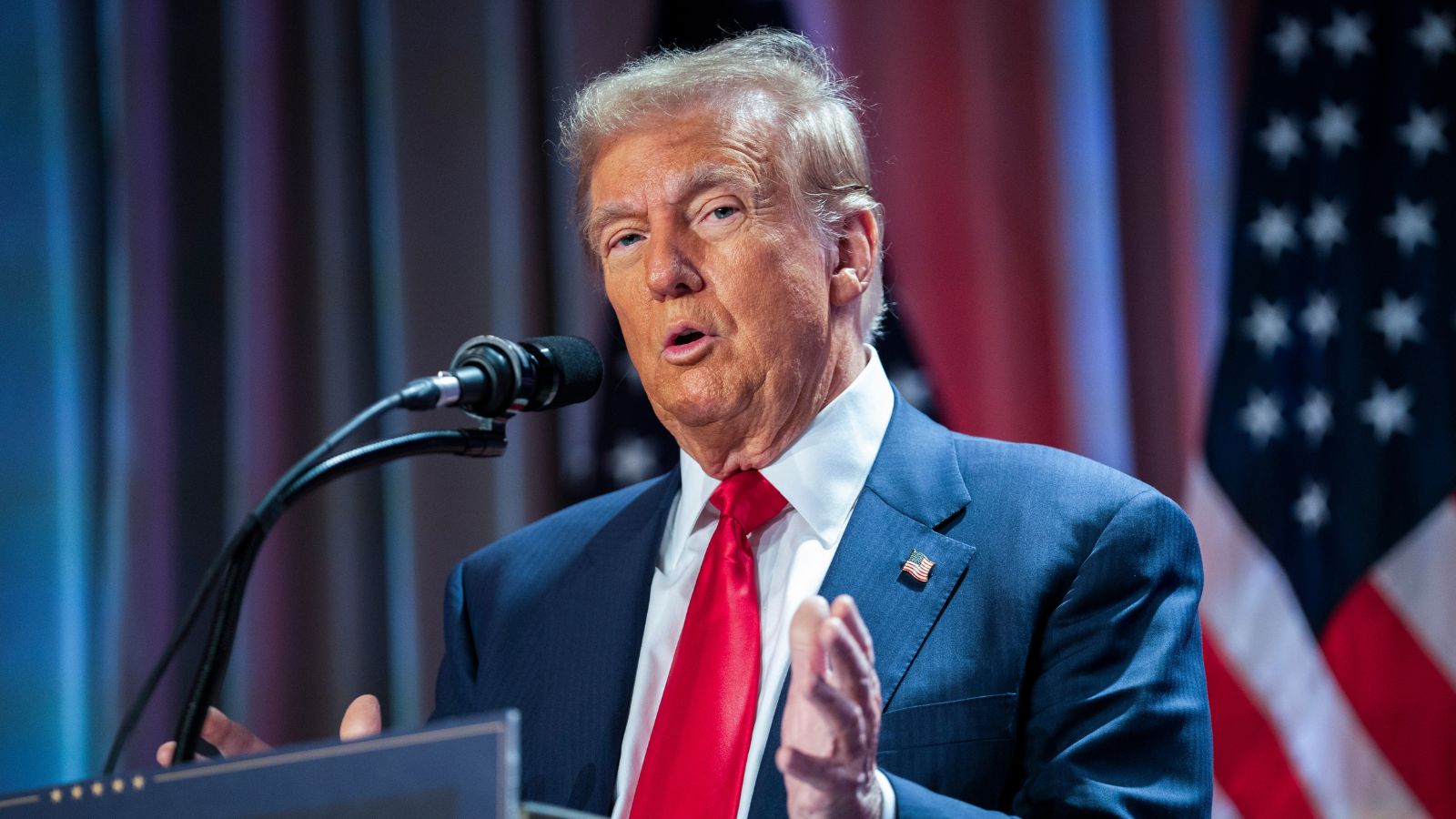
United States President Donald Trump paused large-scale military strikes against Iran on Friday, 13 November 2026, after Saudi Arabia, Qatar, and neighbouring Gulf leaders urged restraint. Even so, Trump boasted that American forces could wipe out Iran’s power grids, bridges, and factories within three days. Hours earlier, Iran’s Islamic Revolutionary Guard Corps hit a United States early warning radar in Bahrain to avenge an attack on a telecoms tower in Sirik.
Gulf rulers clearly fear that wider American bombing will turn their own oil facilities and cities into burning targets. Throughout this conflict, Iranian commanders have treated American bases across the Gulf as open shooting galleries rather than protective shields. Deputy commander Mostafa Izadi mocked American bases as paper tigers, warning that Iranian forces will strike back without geographical limits.
Shipping lanes across the Persian Gulf remain perilous even while Washington holds its fire. The Iranian navy announced that a liquefied petroleum gas tanker exploded after striking a sea mine east of the Strait of Hormuz. Naval commanders blamed the blast on the captain ignoring Iranian warnings and trusting American fighter jets for safe passage.
Allied militias in Yemen are widening the economic fallout across Arabian skies and borders. Houthi missile and drone raids forced international airlines to extend flight bans to several Saudi cities well into January 2027. Meanwhile, Yemen’s Presidential Leadership Council chair Rashad al-Alimi told Chinese envoy Zhai Jun that no peace can hold with fighters claiming a divine right to rule.
Israeli domestic politics continue to fuel regional war drums despite Arab pleas for calm. Prime Minister Benjamin Netanyahu has reportedly phoned Trump almost daily to push for fresh strikes on Tehran. Analysts note that a wider regional war would force Israeli opposition leaders into a caretaker government, rescuing Netanyahu from political collapse.
Washington’s pause offers fragile breathing room rather than a genuine path toward peace. In Gaza, Israeli strikes on Nasser Medical Complex killed seven people and drew sharp condemnation from Turkey and Gulf diplomats. Until major powers rein in both Tehran’s proxies and Netanyahu’s war cabinet, a single stray missile could reignite the entire region.