
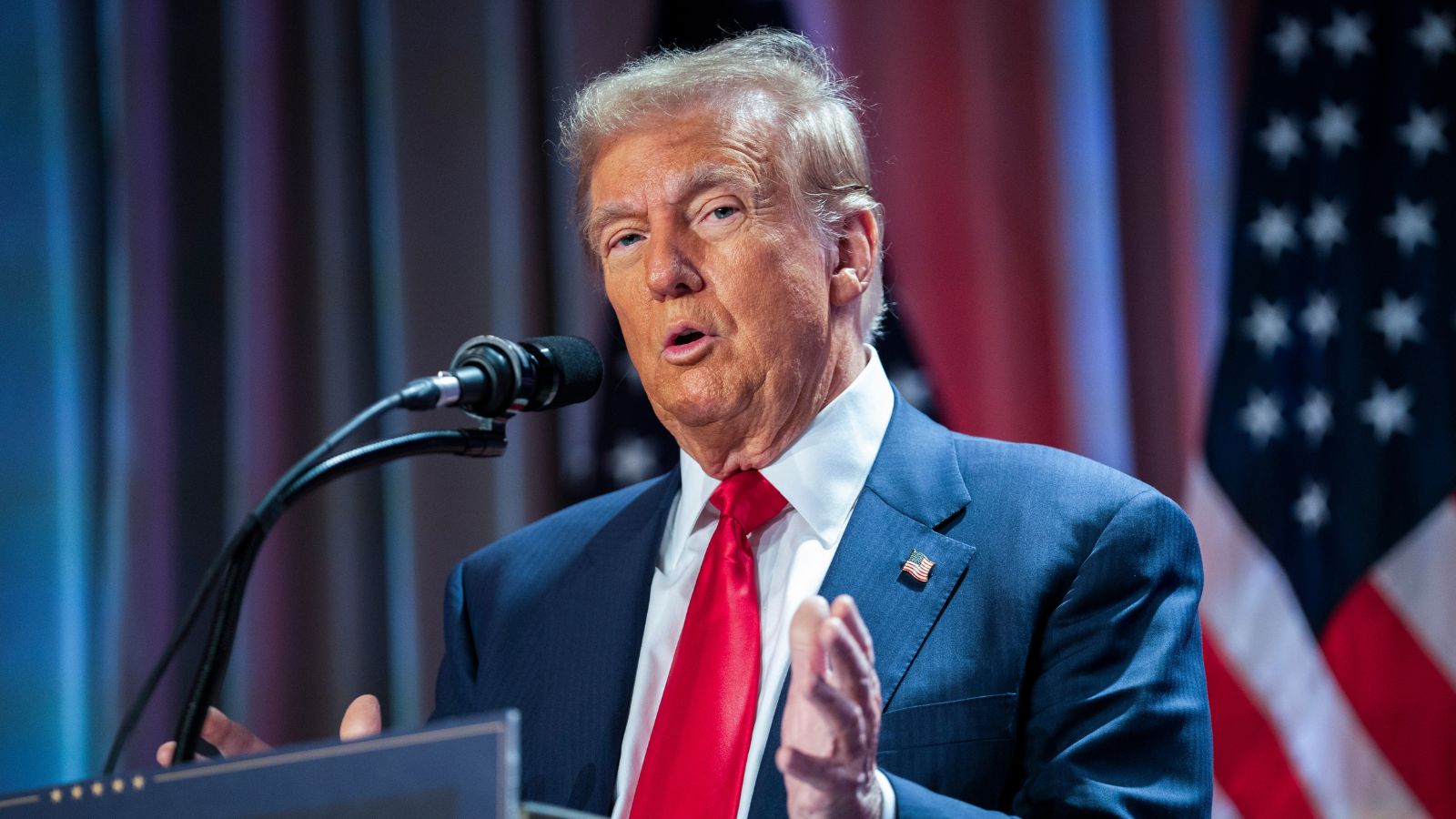
US President Donald Trump agreed on 9 November 2026 to pause new military strikes against Iranian air defence networks. Regional mediators, led by Qatari Prime Minister Sheikh Mohammed bin Abdulrahman Al Thani, persuaded Washington to hold fire during high-level White House talks. The temporary pause brings brief relief to crude oil markets while diplomats scramble to construct a lasting ceasefire framework. Diplomatic channels replace missile barrages.
American warships will maintain a strict naval blockade across the Strait of Hormuz despite the suspension of offensive air operations. Washington demands a total stop to Iranian naval mine deployment and drone assaults on international shipping lanes. American officials insist that future strike operations remain locked and ready should diplomatic efforts fail to yield immediate results. Pausing air strikes does not end naval containment.
The diplomatic intervention follows heavy American air strikes targeting strategic radar units and air defence batteries on Iran’s Qeshm Island. Intelligence sources confirm those precision strikes crippled key coastal surveillance assets used to track commercial shipping traffic. Washington used the military assault to force Tehran to choose between swift economic collapse and binding nuclear concessions. Sharp military pressure opens political windows.
Global crude prices dropped sharply across international trading exchanges as news of the military pause reached energy markets. Brent crude fell back from recent high levels after traders priced out immediate supply disruptions across Persian Gulf export corridors. However, regional ship captains remain cautious as mine-clearing vessels continue sweeping vital sea lanes. Lower market prices reflect fragile diplomatic hope.
Tehran faces severe domestic economic strain from mounting inflation and crippled industrial infrastructure after weeks of direct military friction. Regional powers, including Turkey and Qatar, continue warning that a full military collapse would destabilise trade networks across the Middle East. Gulf nations want to prevent an unchecked war that destroys critical maritime oil routes. Local neighbours bear the true cost of regional war.
Holding back air strikes gives negotiators a short chance to secure verifiable commitments from Iranian leadership. Washington expects Tehran to stop expanding its underground uranium enrichment facilities and cease arming regional proxy militias. The White House will resume offensive bombing campaigns if diplomatic discussions stall over the coming days. Tactical pauses mean nothing without permanent peace treaties.