
Crystal Dike
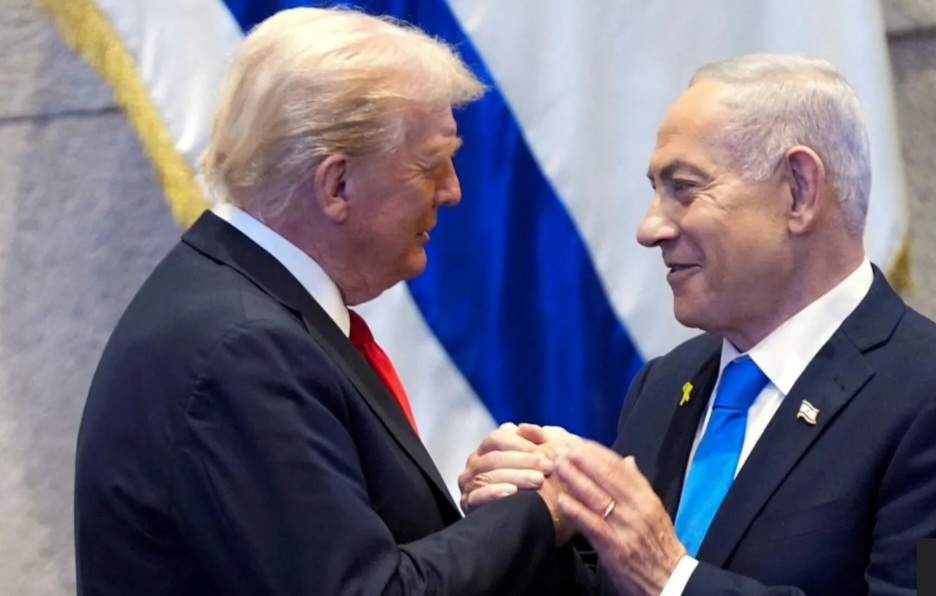
Israel’s President Isaac Herzog received a formal letter on 12 November 2025 from U.S. President Donald Trump, urging him to “fully pardon” Prime Minister Benjamin Netanyahu, who has been on trial for five years on charges of bribery, fraud, and breach of trust.
In the letter, Trump called Netanyahu “a formidable and decisive war-time prime minister” and described his prosecution as “political, unjustified,” while noting that he “absolutely respects the independence of Israel’s justice system.” Netanyahu, who denies all charges, thanked Trump on X, saying: “As usual, you get right to the point and call it like it is.”
Herzog’s office responded that while it “holds President Trump in the highest regard,” a presidential pardon requires a formal request from the accused, in line with Israeli law. No such request has yet been submitted by Netanyahu.
Netanyahu has faced trial since 2020, the first time a sitting Israeli prime minister has been prosecuted. He is accused of receiving gifts, offering favours to newspapers for positive coverage, and promoting regulatory decisions benefiting a telecom tycoon in exchange for favourable reporting. Netanyahu has called the trial a “witch-hunt” by political opponents.
The letter has drawn mixed reactions in Israel. Itamar Ben-Gvir, National Security Minister, urged Herzog to heed Trump’s call to pardon Netanyahu, while opposition leader Yair Lapid stressed that Israeli law requires admission of guilt and remorse for a pardon. Legal experts warned that granting a pardon before conviction could undermine judicial independence.
Under Israel’s Basic Law, the president can grant pardons or commute sentences, and the High Court has ruled this can be done even before conviction in cases of public interest or exceptional circumstances. Observers say the situation highlights tensions between Netanyahu’s right-wing supporters, opposition voices, and the integrity of Israel’s judiciary.
A presidential pardon for Benjamin Netanyahu remains uncertain, but Trump’s intervention has intensified debate over the trial and Israel’s judicial independence, keeping Netanyahu at the center of the nation’s political and legal spotlight.