

Two Indian LPG Ships Break Hormuz Blockade
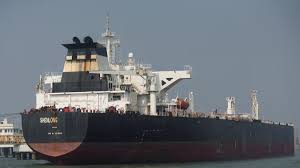
Two Indian-flagged vessels carrying liquefied petroleum gas have successfully crossed the Strait of Hormuz, marking a rare instance of commercial shipping movement through the critical waterway that has been effectively closed by Tehran amid escalating conflict in the Middle East.
Rajesh Kumar Sinha, special secretary of India’s ministry of ports, shipping and waterways, confirmed the safe passage of the tankers at a news briefing in New Delhi on Saturday. “They crossed the Strait of Hormuz early morning safely and are en route to India,” Sinha told reporters.
The vessels, identified as “Shivalik” and “Nanda Devi”, are transporting approximately 92,700 metric tonnes of LPG and are expected to dock at the western ports of Mundra and Kandla within the next few days. Their successful transit follows diplomatic engagements between New Delhi and Tehran in recent days as India scrambles to secure energy supplies through the disrupted chokepoint.
The Strait of Hormuz, a narrow passage between the Persian Gulf and the Gulf of Oman, serves as the conduit for roughly one-fifth of global crude oil and liquefied natural gas shipments under normal circumstances. Tehran’s decision to halt maritime traffic through the strait has sent shockwaves through international energy markets and created severe supply disruptions for major importing nations, particularly in Asia.
India, the world’s fourth-largest buyer of liquefied natural gas and second-largest importer of LPG, has been significantly affected by the blockade. LPG, used predominantly for cooking in Indian households, is sourced primarily from Middle Eastern suppliers, making the closure of the Hormuz passage a matter of critical national concern.
Responding to dwindling supplies, the Indian government imposed tighter controls on natural and cooking gas distribution on Tuesday. The Ministry of Petroleum announced that the new regulations would “ensure equitable distribution and continued availability for priority sectors.”
Under the emergency measures, LNG supplies are being prioritized for household consumption, transport sectors, and the production of LPG. The directive has already forced several Indian industries, including ceramics and tile manufacturers, to curtail operations due to reduced gas allocations. Restaurants and hotels across the country have also warned of potential disruptions following a separate ministry order on Monday that prioritized domestic LPG supplies to residential consumers.
The safe passage of the two Indian tankers appears to be the result of high-level diplomatic negotiations between New Delhi and Tehran. Indian Foreign Minister S. Jaishankar confirmed on social media platform X this week that he had engaged in discussions with his Iranian counterpart, Abbas Araghchi.
“Detailed conversation with FM @Araghchi on the latest developments regarding the ongoing conflict,” Jaishankar posted, adding that the two officials had “agreed to remain in touch.” In a subsequent post, Jaishankar disclosed that the ministers had also discussed “bilateral matters” and “BRICS related issues,” suggesting broader strategic considerations beyond the immediate shipping crisis.
On Thursday, Prime Minister Narendra Modi confirmed that he had spoken directly with Iranian President Masoud Pezeshkian, with discussions centered on the transit of goods and energy from the Gulf region. The prime ministerial intervention underscores the gravity with which New Delhi views the disruption to its energy security.
India’s engagement with Iran extends beyond diplomatic channels to humanitarian assistance. New Delhi has provided safe harbor to 183 sailors from the Iranian vessel IRIS Lavan, which docked at the southern port of Kochi after the outbreak of hostilities in the region.
On Friday, India’s Foreign Ministry spokesman Randhir Jaiswal revealed that non-essential crew members from IRIS Lavan had boarded a chartered flight departing from Kochi. The Iranian-chartered aircraft had originated from Sri Lanka and was carrying the remains of 84 sailors from the Iranian frigate IRIS Dena, which was reportedly sunk by a United States submarine earlier this month off the coast of Sri Lanka.
Flight-tracking application FlightRadar24 confirmed that the repatriation flight arrived in Armenia in the early hours of Saturday local time, completing a complex logistical operation coordinated between Indian, Iranian, and Sri Lankan authorities.
The sinking of IRIS Dena represents one of the most significant naval losses for Iran during the current phase of the Middle East conflict and has heightened tensions between Tehran and Washington. The incident occurred in international waters, raising questions about the rules of engagement and the potential for further escalation in the maritime domain.
India’s ability to negotiate safe passage for its energy tankers through the Hormuz blockade reflects New Delhi’s careful diplomatic balancing act in the region. India has maintained working relationships with both Iran and the United States despite their antagonistic positions, leveraging its status as a major energy consumer and strategic partner to multiple powers.
The successful transit of the Shivalik and Nanda Devi does not, however, signal a broader reopening of the strait. Maritime industry sources indicate that commercial shipping through the waterway remains effectively suspended, with vessel owners unwilling to risk transits without explicit security guarantees from regional powers.
The blockade has already begun to reshape global energy trade patterns, with buyers seeking alternative supply routes and sellers exploring pipeline and overland transportation options. Energy analysts have warned that prolonged disruption could drive significant price increases and contribute to inflationary pressures in import-dependent economies.
India’s dependence on Middle Eastern energy supplies has long been recognized as a strategic vulnerability. The country imports approximately 85 percent of its crude oil requirements, with significant volumes originating from Gulf producers including Saudi Arabia, Iraq, and the United Arab Emirates. LPG imports similarly rely heavily on Qatari and Saudi supplies that ordinarily transit the Hormuz passage.
The current crisis has renewed calls within Indian policy circles for accelerated diversification of energy sources and suppliers, as well as increased investment in domestic production capacity and strategic petroleum reserves. However, such structural adjustments require time and capital that may not be available if the blockade persists.
As the two LPG carriers make their way toward Indian ports, their successful journey offers temporary relief but underscores the fragility of energy security in an increasingly volatile geopolitical environment. Whether New Delhi can continue to secure similar exceptions or whether alternative arrangements must be pursued remains a central question for Indian policymakers as the regional conflict shows no signs of abating.
The Indian government has not disclosed whether additional vessels are being negotiated for transit or what concessions, if any, were offered to secure Tehran’s cooperation in allowing the passage of the Shivalik and Nanda Devi.