
US Moves to Sanction Chinese Miners in Nigeria
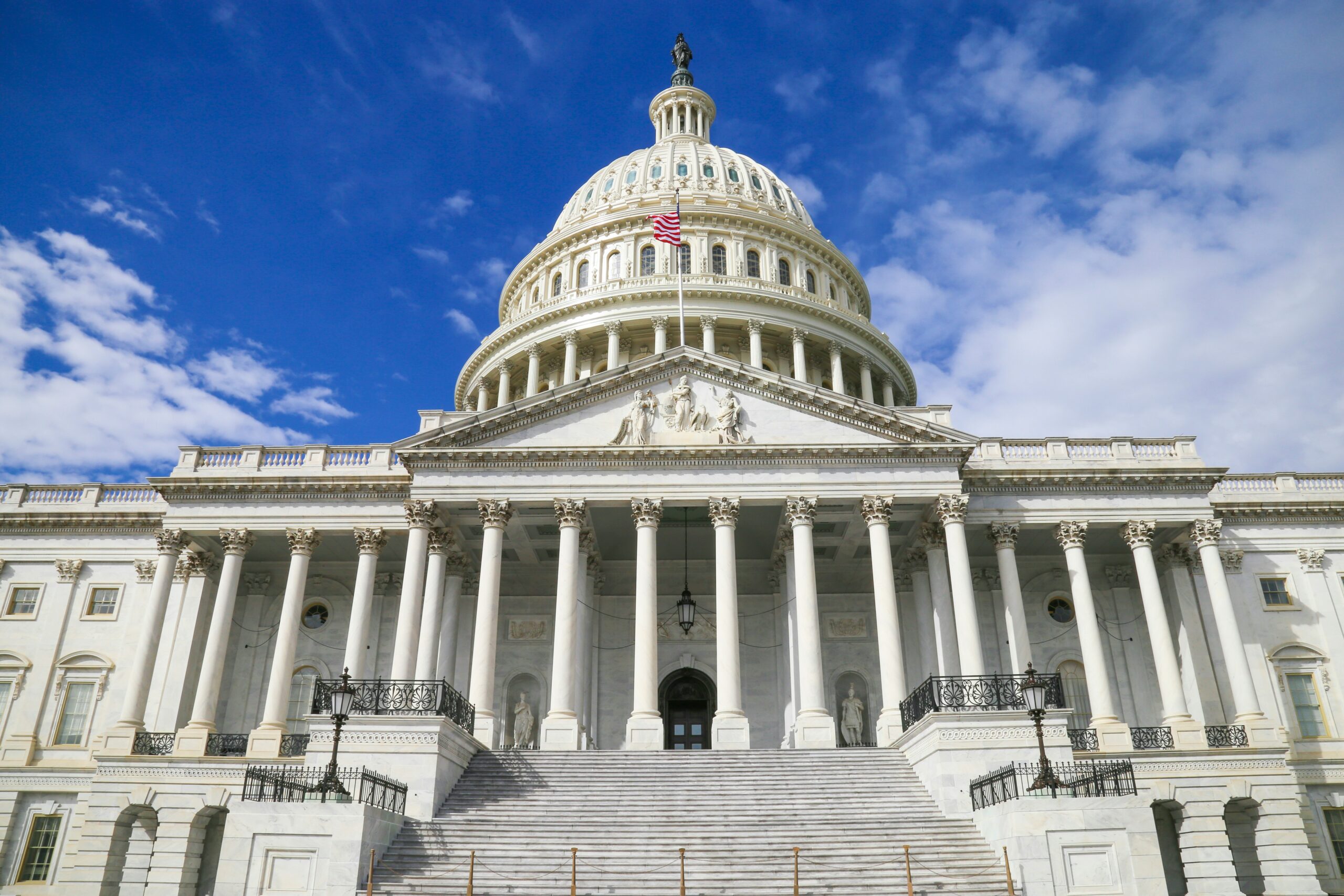
ABUJA — The United States Congress has introduced a high-stakes legislative hammer aimed at Chinese mining interests and violent extremists operating within the Nigerian hinterlands. Titled the “Nigeria Religious Freedom and Accountability Act of 2026,” the bill seeks to dismantle a shadow economy where foreign miners reportedly fund insurgency. Specifically, US lawmakers allege that Chinese entities pay “protection money” to armed Fulani militias to secure their extractive operations. This proposed law, co-sponsored by Representatives Riley Moore and Chris Smith, marks a significant escalation in the intersection of international trade and national security.
The legislation directs the US Secretary of State to investigate the financial ties between these mining firms and radical groups. According to the bill, these clandestine payments have become a primary revenue stream for violent extremism across the federation. Furthermore, the act seeks to determine if specific “Fulani militias” now qualify as Foreign Terrorist Organizations under American law. If passed, the US Treasury would impose aggressive sanctions, including asset freezes and visa bans, on identified collaborators. This development places the Nigerian government in a precarious position between its primary security ally and its largest infrastructure financier.
Conversely, the bill proposes a shift in how the United States delivers humanitarian assistance to Nigeria’s embattled Middle Belt. Lawmakers intend to bypass traditional state channels in favor of trusted faith-based and non-governmental organizations for aid distribution. This move reflects a growing skepticism in Washington regarding the Nigerian state’s ability to remain neutral in sectarian conflicts. In a related development, the bill explicitly names prominent figures and associations, such as the Miyetti Allah Cattle Breeders Association, for potential scrutiny. Analysts suggest that these targeted measures aim to pressure Abuja into more decisive counter-terrorism and disarmament programs.
Furthermore, the act highlights the “hostile foreign exploitation” of Nigeria’s mineral wealth as a threat to both local and American interests. By targeting the “protection money” model, Washington hopes to dry up the liquid capital that sustains rural banditry. The bill also demands an annual report on Nigeria’s compliance with international religious freedom standards and the repeal of blasphemy laws. Consequently, the Nigerian mining sector may face a period of extreme volatility as foreign investors weigh the risks of American sanctions.
Ultimately, the Nigeria Religious Freedom and Accountability Act represents a bold attempt to recalibrate the geopolitics of the Sahel. The United States is signaling that it will no longer ignore the financial underpinnings of religious persecution and rural terror. The coming months will reveal if the Nigerian government can navigate this legislative storm without jeopardizing its economic sovereignty.