


War in Iran Sends Fertiliser Prices Soaring for Global Farmers
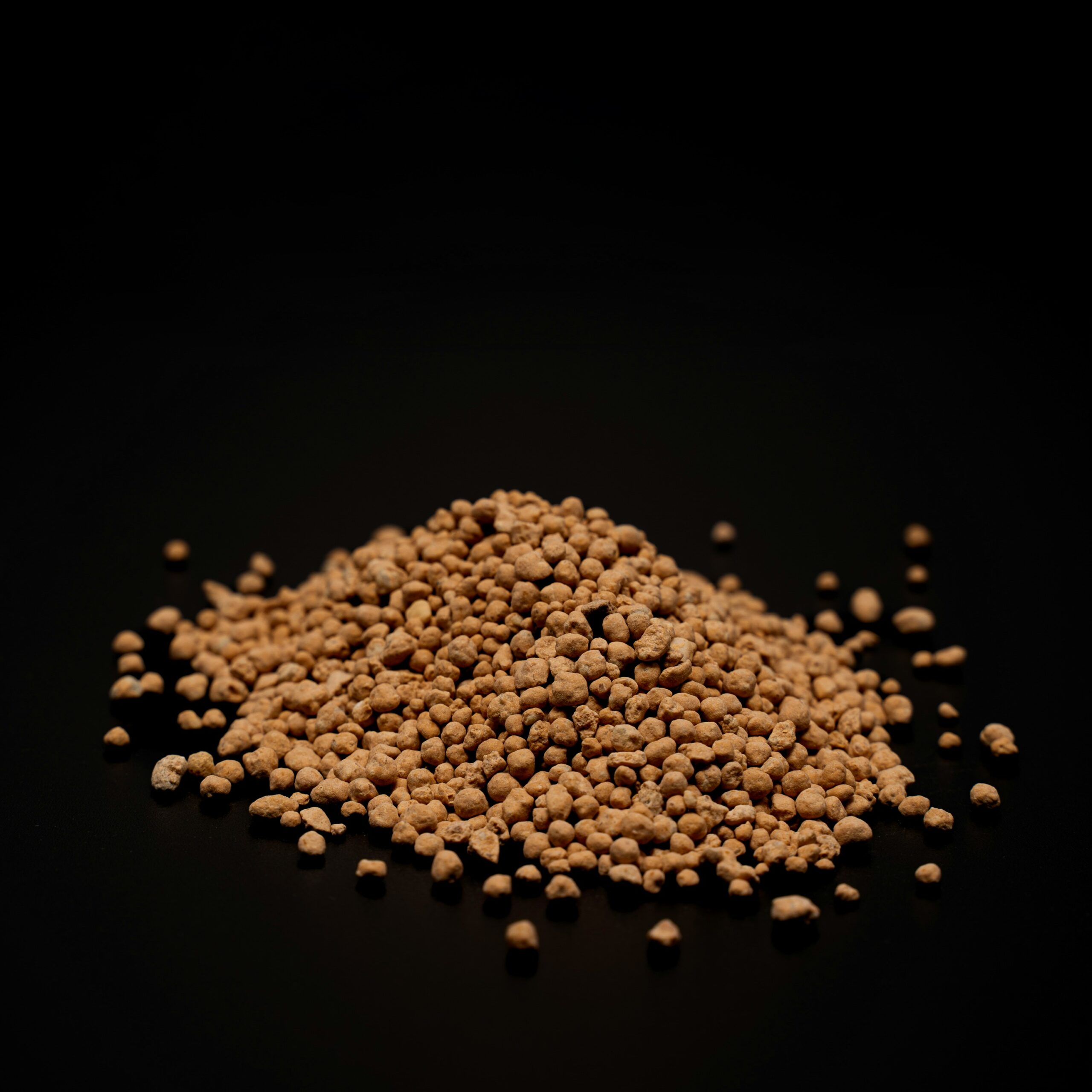
The escalating conflict between Israel, the United States, and Iran has triggered a sharp spike in fertiliser costs, threatening the global agricultural cycle as planting seasons approach. Roughly 33 per cent of the world’s fertilisers transit through the Strait of Hormuz, where maritime traffic has effectively frozen since the outbreak of hostilities on February 28. American and international farmers, already battling low crop prices and trade instability, now face a “nightmare” scenario of surging input costs and supply chain paralysis.
In the United States, the impact has been immediate and severe. Costs for urea, a critical nitrogen-based fertiliser, jumped nearly 30 per cent per short ton in the first week of March alone. While some large-scale producers secured their supplies before the strikes began, many held off in hopes of lower prices, only to be caught in the current market squeeze. The US imports about 35 per cent of its fertiliser, with a significant portion of phosphorus and nitrogen sourced directly from the Middle East.
Agricultural leaders have warned that the situation poses a direct threat to food security. Zippy Duvall, President of the American Farm Bureau Federation, cautioned that without the strategic prioritisation of critical inputs like ammonia and phosphate, the US risks a major shortfall in crop yields. Such a production shock would likely export inflation throughout the broader economy, driving up the cost of basic food staples.
The economic stress on farmers is mounting. Bankruptcies are rising, and debt levels are climbing as producers struggle to cover the increased costs of seeds, pesticides, and now, energy-intensive fertilisers. Small-scale farmers are particularly vulnerable, with many lacking the liquidity to absorb these sudden price swings. This financial pressure is forcing a rethink of planting strategies, with some growers considering a shift from nitrogen-heavy crops like corn to less demanding alternatives like soybeans.
The long-term outlook remains clouded by the uncertainty of the war’s duration. If the Strait of Hormuz remains closed, the disruption to the global supply of sulfur and sulfur-based products could lead to a multi-year lag in agricultural recovery. Current government aid programmes, including one-time payments to offset trade losses, are being described by industry experts as insufficient to bridge the gap created by the war’s “double-whammy” of high costs and low output prices.
For now, the global agricultural sector is operating in a state of high alert. The reliance on Middle Eastern energy and mineral exports has once again exposed the fragility of the international food supply chain. As missiles continue to fly over key shipping lanes, the cost of the conflict is being measured not just in military hardware but in the price of the very inputs that feed the world.