

Witness Details Systematic Siphoning of ₦5.6bn Kogi Local Government Funds into Private Accounts Under Yahaya Bello
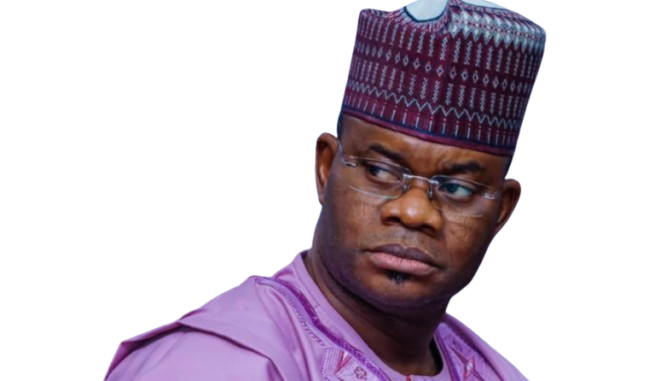
A startling revelation emerged on thursday 29th January, 2026, at the Federal High Court sitting in Abuja regarding Kogi State. An Economic and Financial Crimes Commission witness detailed the diversion of ₦5.6 billion from local accounts. The funds allegedly moved from local government coffers into various private company bank accounts. This testimony forms a critical component of the ongoing corruption trial involving Yahaya Bello, former governor of the state. The prosecution argues that these funds were originally earmarked for grassroots developmental projects across the state.
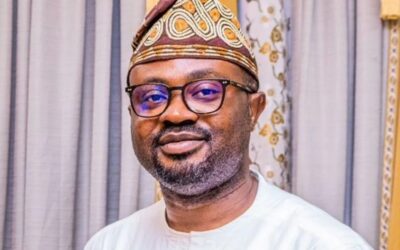
The witness Olomotane Egoro provided a forensic breakdown of the financial transactions recorded between 2017 and 2022. Furthermore, the court heard how specific companies received massive transfers without executing any visible contracts. The investigator Kemi Pinheiro, SAN, identified several entities that allegedly served as mere conduits for siphoning public wealth. Active voice records show that the defendants authorized these payments despite the absence of legal backing. Consequently, the local government areas suffered a significant lack of infrastructure during this specific period.
During the cross-examination, the witness produced bank statements linking the defendants to the receiving firms. Conversely, the defense counsel challenged the admissibility of the documents during the morning court session. They argued that the prosecution failed to establish a direct criminal nexus with their clients. The presiding judge, however, noted the consistency of the evidence presented by the anti-graft agency. In a related development, the court admitted several folders of financial intelligence as primary exhibits.
The scale of the alleged theft has sparked fresh outrage among residents and civil society groups. Analysts suggest that this ₦5.6 billion represents only a fraction of the broader ₦110 billion investigation. Furthermore, the systematic nature of the diversion points toward a deeper institutional failure in state oversight. The witness emphasized that the funds were often withdrawn in cash shortly after the transfers. This pattern typically indicates a deliberate effort to bypass modern electronic tracking systems within Nigeria.
The trial continues to attract significant national attention as more technical witnesses prepare to testify. Legal experts believe the outcome will set a vital precedent for sub-national financial accountability. The court adjourned the proceedings to allow the defense to study the newly admitted evidence. Meanwhile, the EFCC maintains its stance on recovering all stolen assets belonging to the Kogi people. For now, the focus remains on the integrity of the witnesses and the forensic trail. Nigeria’s judicial system faces another stern test in this high-stakes battle against political corruption.