


Witness “Memory Lapse” Rocks Diezani’s UK Bribery Trial
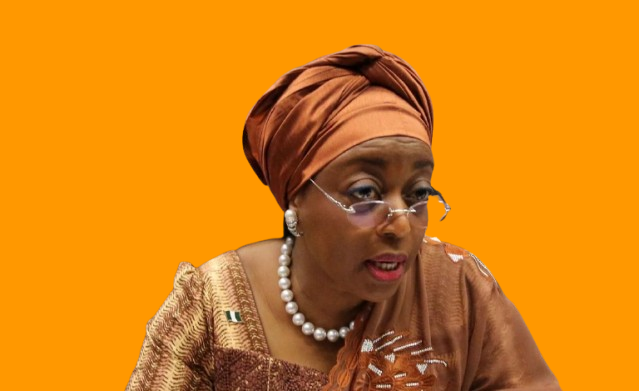
LONDON — The United Kingdom’s high-stakes bribery trial of Nigeria’s former Petroleum Minister, Diezani Alison-Madueke, has veered into choppy waters at the Southwark Crown Court. Over the past 48 hours, the prosecution’s narrative faced significant erosion as primary witnesses admitted to factual errors and “patchy” recollections under intense cross-examination. For a case built on the pillars of luxury influence and illicit kickbacks, these inconsistencies represent a sudden and potentially fatal fracture in the Crown’s evidentiary foundation. Consequently, the defense now argues that the allegations of a £2 million shopping spree and property gifts lack the “clear, unequivocal” proof required for a criminal conviction.
The most dramatic reversal came from Sandro Rocha, a former driver for billionaire oil mogul Kola Aluko. Rocha initially described a life of proximity to power, claiming he transported vast sums of cash and chauffeured Alison-Madueke alongside former President Goodluck Jonathan. However, under the scrutiny of defense counsel, Rocha conceded that his memory of the 2009–2014 period was fundamentally flawed. Furthermore, he admitted that his testimony relied heavily on a witness statement drafted for him by the National Crime Agency (NCA). This admission raises serious questions regarding prosecutorial guidelines, which strictly forbid the “coaching” or “shaping” of independent witness recollections.
The “Harrods narrative”—once a centerpiece of the prosecution—suffered a similar blow through the testimony of Amina Hamila. As a Private Client Manager at the luxury department store, Hamila previously linked over £2 million in “Black-Tier” purchases to the former minister. Yet, cross-referencing Harrods’ internal records with immigration stamps revealed a startling discrepancy. Large transactions were recorded in London at times when Alison-Madueke was physically absent from the United Kingdom. In a related development, Hamila confirmed that the actual payment cards belonged to Kola Aluko and his company, Tenka Limited. This distinction separates the user of luxury benefits from the legal owner, a nuance that could determine the trial’s outcome.
Furthermore, the defense team—led by Mark Ellison KC—continues to exploit the gap between “optics” and “evidence.” They argue that the prosecution has infantilized the role of the businessmen involved, portraying them as mere conduits for the minister’s greed rather than the legal owners of the assets. They maintain that being a “user” of a property or an “advisor” on furniture does not constitute a criminal bribe under the UK Bribery Act. Meanwhile, jurors have also heard from contractors who confirmed that Kola Aluko, not the minister, found their firms, gave instructions, and settled every invoice for the multi-million-pound renovations.
Ultimately, the proceedings highlight the immense difficulty of proving quid pro quo in a world of opaque offshore wealth and proxy ownership. As the trial prepares to resume on February 23, the prosecution must now scramble to produce “smoking gun” evidence that directly links official ministerial decisions to these luxury benefits. For the commuter in Lagos, the spectacle of the “Oil Queen” in the dock remains a defining symbol of an era. Yet, in the cold light of a London courtroom, the “vivid images” of excess are beginning to lose their legal shape.