
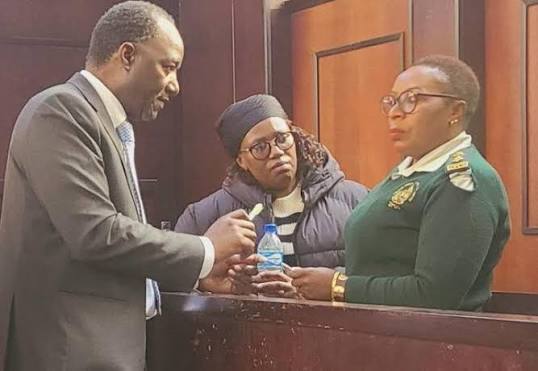
A High Court in Harare has acquitted Zimbabwe Independent editor Faith Zaba of undermining President Emmerson Mnangagwa’s authority, ending nearly a year of prosecution over a satirical column and handing Zimbabwe’s embattled press corps a rare legal victory.
The High Court in Harare quashed the charges on Friday, the Zimbabwe Lawyers for Human Rights, which represented Zaba, said. The ruling was issued in chambers, with the parties awaiting the formal written order. ZLHR executive director Bellinda Chinowawa said that “the decision gives a lot not just for press freedoms but individual freedoms as well,” adding that the police had “overstretched the limits of the law.”
Zaba’s troubles began on July 1, 2025, when she was arrested over a column titled “When You Become a Mafia State,” published in the business weekly’s satirical Muckraker section. The State alleged the article was false and designed to engender feelings of hostility towards the President, claims the defence rejected as unfounded and unconstitutional. She was freed on bail after being held since Tuesday of that week, on charges that stemmed from a column featuring an old photograph of Mnangagwa greeting his Mozambican counterpart, Daniel Chapo.
The charge was brought under Zimbabwe’s Criminal Law (Codification and Reform) Act. Under that law, Zaba could have faced a fine of about $300, imprisonment of up to one year, or both, if convicted. Reacting to her detention on X, Zaba wrote: “My deepest gratitude to everyone who stood with me, spoke out, prayed, advocated and refused to let me walk alone.”
The acquittal lands against a backdrop of mounting concern over civic space in Zimbabwe. Rights groups and opposition parties have accused Mnangagwa’s government of using criminal laws to silence dissent, an allegation it denies. Zaba was the second senior Alpha Media Holdings journalist prosecuted within a year. Another, Blessed Mhlanga, was arrested over an interview with a ruling-party critic who called for Mnangagwa’s resignation, and later fled into exile after being granted bail following more than 70 days in pretrial detention.
The case also unfolded as Zimbabwe’s press freedom standing slid sharply. The country now ranks 124th out of 180 nations in Reporters Without Borders’ latest World Press Freedom Index, down from 106th a year earlier. Human Rights Watch has documented a wider pattern, noting that in April 2025 Mnangagwa signed the Private Voluntary Organisations Amendment Act, which empowers authorities to deregister and seize the assets of groups deemed politically partisan.
The ruling carries political weight beyond the courtroom. Mnangagwa came to power in 2017 after the military ousted long-time ruler Robert Mugabe, was elected in 2018 and re-elected in 2023, exhausting the two five-year terms permitted under the constitution. Critics accuse him and his allies of seeking to extend his rule beyond 2028, and on Thursday the lower house of parliament passed a constitutional amendment bill that would extend the terms of some elected officials and scrap direct presidential elections. The bill now heads to the Senate and, if approved, will be sent to Mnangagwa for assent.
With the written order still pending, observers are likely to watch whether prosecutors appeal, and whether the judgment tempers the use of insult laws against critics as the term-extension debate intensifies.