
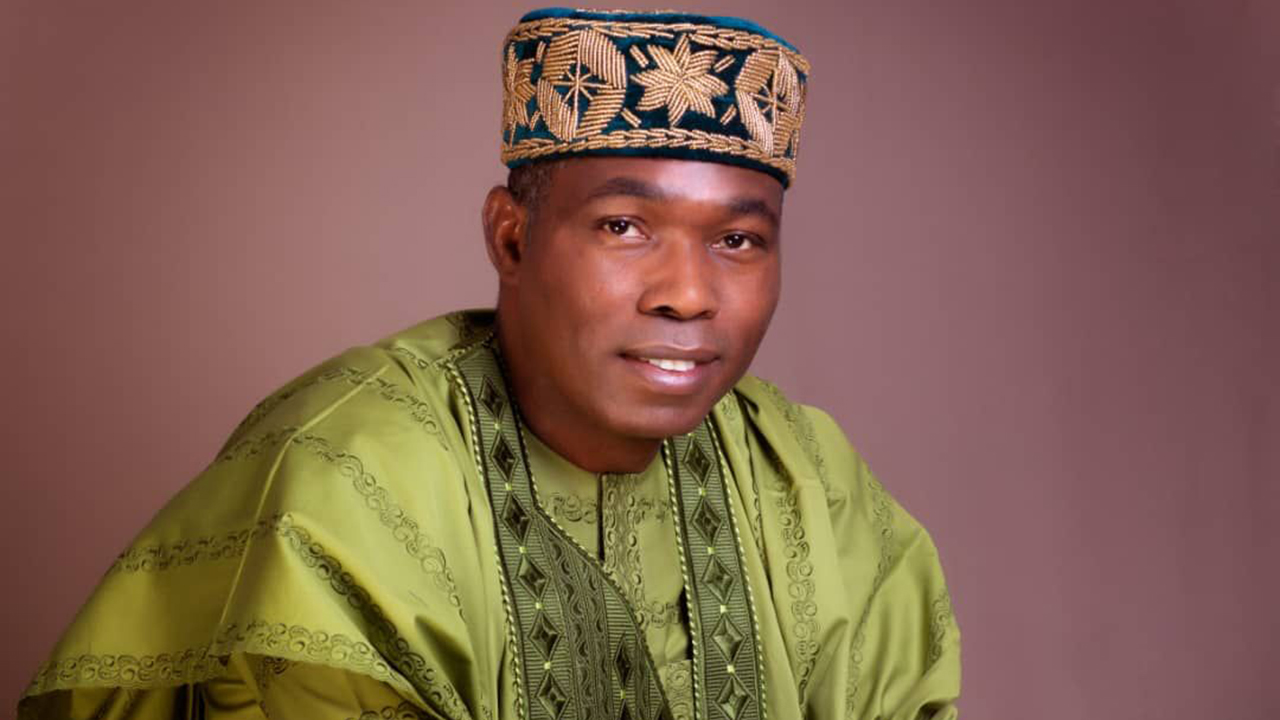
Nineteen presidential candidates and their running mates now have their personal particulars on public display across Independent National Electoral Commission (INEC) offices nationwide, following Saturday’s nationwide publication exercise for the 2027 general election. It is against this backdrop that Social Democratic Party (SDP) presidential candidate, Adewale Adebayo, has offered a pointed reminder of what INEC’s statutory duty actually entails, and what it does not.
Speaking on Sunday Politics, Adebayo argued that INEC’s function is limited to collecting and publishing candidates’ information rather than authenticating it, comparing the commission to a postal service that transmits documents without verifying their contents. He maintained that scrutiny of candidates’ claims, including any false declarations, is a task for the electorate and other stakeholders to pursue through legal channels, not for INEC itself.
That framing aligns closely with the legal architecture governing the exercise now underway. Under Section 29(3) of the Electoral Act 2026, INEC is required to publish the personal particulars, affidavits and academic credentials submitted by candidates within 21 days of receiving their nomination from political parties, specifically to allow public inspection. INEC officials, including National Commissioner Mohammed Haruna and Chief Press Secretary Adedayo Oketola, have both stressed that Saturday’s display of Form EC9 documents does not amount to the final list of candidates. That list, they said, will only be published on September 12, 2026, in line with Section 32(1) of the Act, after a window during which parties may still withdraw or substitute nominees.
That withdrawal window closes on August 22, 2026, ninety days before the January 16, 2027 presidential poll, as provided under Section 31. This layered process, publication first, objection window second, final list third, is designed to give citizens, rival candidates and civil society time to challenge inaccurate credentials before the ballot is printed, a mechanism that has previously produced disqualifications, most notably the Uche Nwosu case, where a candidate lost his position after being found to have submitted forged documents.
Adebayo’s own path to the ballot has been comparatively uncontested. He emerged unopposed as SDP’s presidential flag bearer at the party’s convention in Bauchi on May 9, 2026, a repeat of his 2023 candidacy under the same platform. The party’s national secretary, Olu Agunloye, formally forwarded his nomination details to INEC in mid May, and SDP chapters in states including Delta and Zamfara have since described his confirmation on the published list as a boost to grassroots morale. Adebayo used Sunday’s appearance to dismiss suggestions of internal disagreement within the SDP, describing the nomination process as peaceful, and noted that INEC’s publication alongside his name also covered the party’s vice presidential candidate, 109 senatorial candidates and 360 House of Representatives candidates.
Those figures sit within a much larger national count. During the 2023 cycle, INEC’s final list carried 4,223 candidates contesting 469 federal legislative seats alone, drawn from dozens of registered parties, against a backdrop of roughly 93.5 million registered voters, of whom about 48 million were classified as youths. The 2027 field, now standing at 19 declared presidential contenders after the recent Court of Appeal ruling restored the ADC and four other parties to the register, suggests a comparably crowded ballot once National Assembly nominations are finalised.
Adebayo, who has separately raised doubts about INEC’s overall readiness to deliver a credible 2027 election, used the broadcast to redirect public attention toward what he called the substantive issues of poverty, insecurity and economic hardship confronting Nigerians ahead of next year’s vote, rather than intrigues around candidate lists. Whether that appeal gains traction will likely depend on how the remaining stages of INEC’s published timetable, including the August 22 substitution deadline and the September 12 final list, play out over the coming weeks.