


2027 Polls: National Assembly Denies Intentional Delay On Electoral Act Amendment
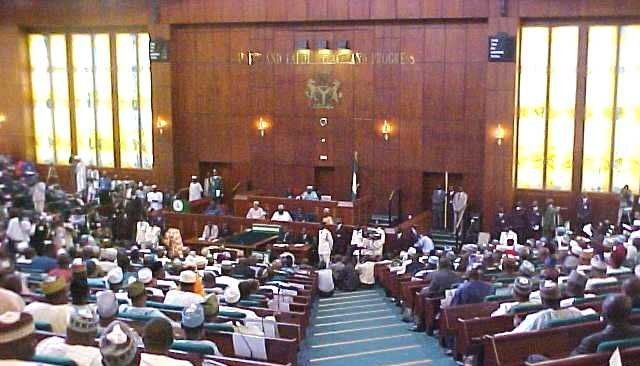
The National Assembly has rejected claims that it is deliberately stalling the amendment of the Electoral Act ahead of the 2027 general elections, insisting that delays surrounding the bill are procedural and not politically motivated.
Chairman of the House of Representatives Committee on Electoral Matters, Adebayo Balogun, said legislative work on the Electoral Act Amendment Bill remains ongoing in both chambers, with harmonisation expected to be completed in the coming days.
Balogun, who represents Ibeju-Lekki Federal Constituency of Lagos State, told media outlets that the Senate was currently considering the bill and expressed optimism that the reconciliation of positions between the Senate and the House of Representatives would be concluded next week.
“The Senate is in session, considering the bill. Hopefully, the harmonisation will be completed by next week,” he said, adding that once the process is finalised, the legislation would be transmitted to the President for assent ahead of the 2027 elections.
Despite these assurances, the Senate on Tuesday again failed to conclude work on the Electoral Act (Amendment) Bill after lawmakers retreated into another prolonged closed-door executive session without disclosing any concrete outcome.
The Senate spent over four hours deliberating on reports from the Senate Committee on Electoral Matters, chaired by Senator Simon Lalong, as well as submissions from a seven-member ad hoc committee established to resolve contentious provisions in the bill. However, when plenary resumed, no decision or timeline for passage was announced.
Senate President Godswill Akpabio offered only a brief account of the session, stating that discussions focused on “matters relating to the working of the Senate and the nation,” before the chamber adjourned without addressing the bill.
The repeated delays have intensified public concern over the fate of the legislation, which is widely viewed as critical to strengthening Nigeria’s electoral framework before the 2027 polls. Key proposals in the bill include mandatory electronic transmission of results, tougher penalties for electoral offences such as vote-buying and result manipulation, and updated provisions recognising the Bimodal Voter Accreditation System.
Other amendments seek to criminalise failure by presiding officers to properly endorse election results and prohibit political actors from accompanying vulnerable voters into polling booths.
Criticism has mounted from opposition parties, civil society groups and legal experts, including Senior Advocate of Nigeria, Femi Falana, who accused lawmakers of preferring to retain the status quo. Falana warned that continued delays could undermine public confidence and the credibility of future elections.
The National Assembly leadership, however, maintains that the delays stem from due legislative process and the need to reconcile differences between both chambers before final passage.