
Nigeria’s national electricity grid continues to collapse despite receiving 3.6 billion dollars in World Bank loans over the last decade. A comprehensive review of development finance reveals that massive capital injections failed to fix the country’s chronic transmission and distribution failures. The multi-billion-dollar funding aimed to stabilise power supplies, expand the national grid, and bring electricity to millions of underserved households. Instead, systemic inefficiency, slow project execution, and institutional bottlenecks have largely neutralised the impact of these international loans.
The vast majority of the approved global capital remains tied up in bureaucratic delays rather than active power projects. Out of eight major electricity intervention loans approved since 2018, the state has managed to draw down only 44 per cent of the total funds. This sluggish absorption rate means that critical infrastructure upgrades across the transmission network remain entirely unfunded or half-finished. Bureaucratic gridlock within local implementation units routinely delays the procurement of vital equipment. This financial inertia leaves the country trapped in a permanent cycle of power blackouts.
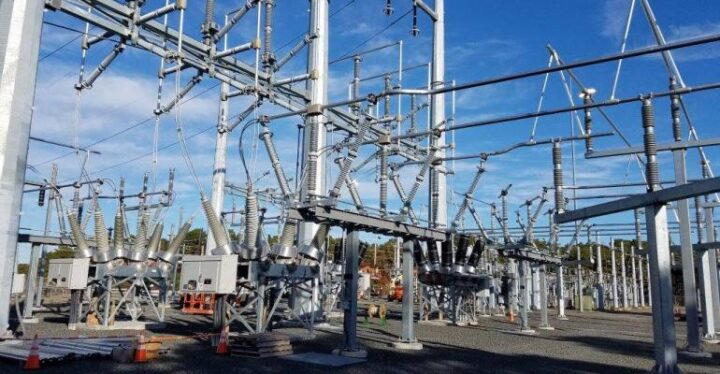
Persistent technical fragility continues to plague the state-owned Transmission Company of Nigeria. The national grid has suffered dozens of total system collapses in recent years, plunging major industrial zones and cities into darkness. Experts point out that the utility provider cannot wheel the electricity generated by private companies due to obsolete transformers and weak lines. This structural mismatch forces generation companies to ramp down their output to avoid damaging the fragile network. The World Bank intended its capital to resolve these exact engineering limitations.
The financial insolvency of the domestic electricity market forms another massive barrier to meaningful power sector reform. Distribution companies consistently fail to collect enough revenue from customers to pay for the energy they buy from the grid. This chronic cash deficit leaves the entire value chain severely indebted and dependent on government bailouts to survive. While international lenders insist on cost-reflective tariffs to make the sector viable, the state hesitates to enforce them due to widespread public opposition.
Abuja is currently attempting to decentralise the grid to bypass these persistent federal structural failures. The newly enacted Electricity Act allows state governments and private investors to generate, transmit, and distribute power within their borders. This policy shift aims to dismantle the federal monopoly and foster local mini-grid systems driven by renewable energy sources. However, building these independent regional networks requires billions of dollars in fresh private capital. Until the country fixes its underlying regulatory environment, investors will remain wary, and the blackouts will persist.