
US Visa Restrictions: Shehu Sani Calls Policy Exclusionary, Urges Nations to Fix Homefront
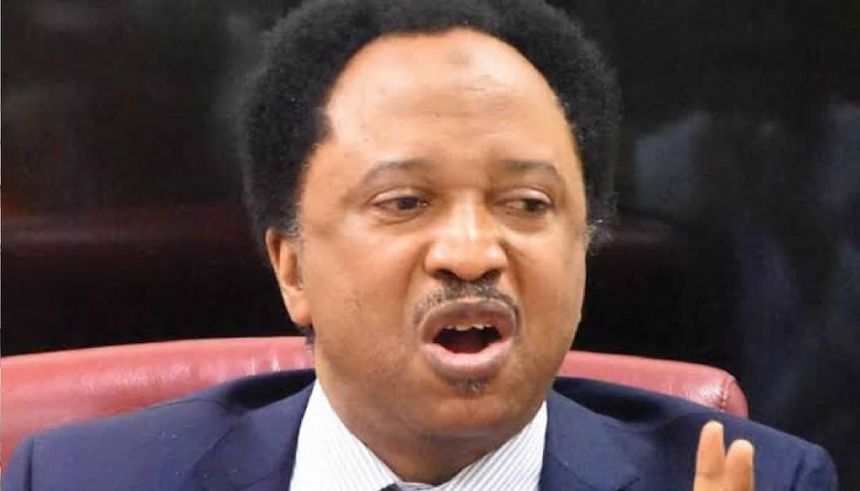 Former Kaduna Central senator Shehu Sani has weighed in on the new US visa restrictions, describing them as a clear signal of exclusion against developing nations. Reacting to the policy, which places Nigeria among 24 affected countries, Sani said the message from Washington is blunt and unsettling for Third World migrants.
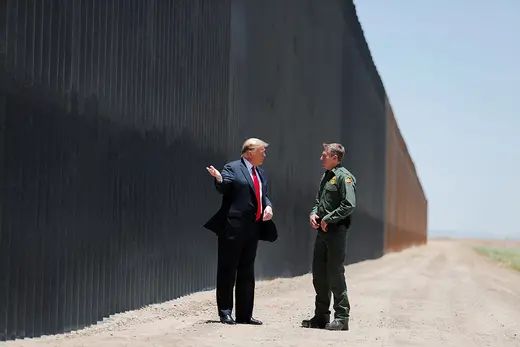
The US visa restrictions were announced on Tuesday by President Donald Trump, expanding entry limits on foreign nationals from 24 countries. The White House said the decision was based on what it described as persistent gaps in screening, vetting, and information sharing that could threaten national security and public safety. Countries listed span Africa, parts of Asia, the Caribbean, Oceania, and holders of Palestinian Authority travel documents.
In Africa, the affected nations include Nigeria, Senegal, Mali, Niger, Burkina Faso, South Sudan, Benin, Côte d’Ivoire, Gabon, The Gambia, Malawi, Mauritania, Tanzania, Zambia, Zimbabwe, Angola, and Sierra Leone. Others named are Laos, Syria, and Turkmenistan in Asia, as well as Antigua and Barbuda, Dominica, and Tonga.
Reacting via his official X account on Wednesday, Sani criticised the broad reach of the US visa restrictions. He recalled that an earlier visa ban targeted individuals accused of religious persecution, a move many Nigerians initially believed would affect only government officials. According to him, the latest announcement has widened the net to include ordinary citizens.
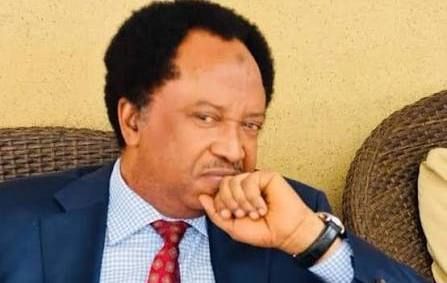
He also questioned the pattern of countries listed, noting that the new restrictions largely affect Black African and Caribbean nations. Sani pointed out that no Arab countries appeared on the list, despite security being cited as the main justification.
“The message is simple,” he argued. “Third World migrants are not welcome. Stay back, build your country, or confront your challenges at home.”
According to a White House fact sheet, the proclamation enforces a full suspension on eight countries and partial restrictions on 16 others. The measures affect both immigrants and non-immigrants applying for B-1, B-2, B-1/B-2, F, M, and J visas. US authorities insist the policy is necessary where there is insufficient information to properly assess potential risks posed by applicants.
Sani’s reaction adds to growing debate over the fairness, intent, and long-term impact of the US visa restrictions on countries like Nigeria and others striving for global mobility and opportunity.