
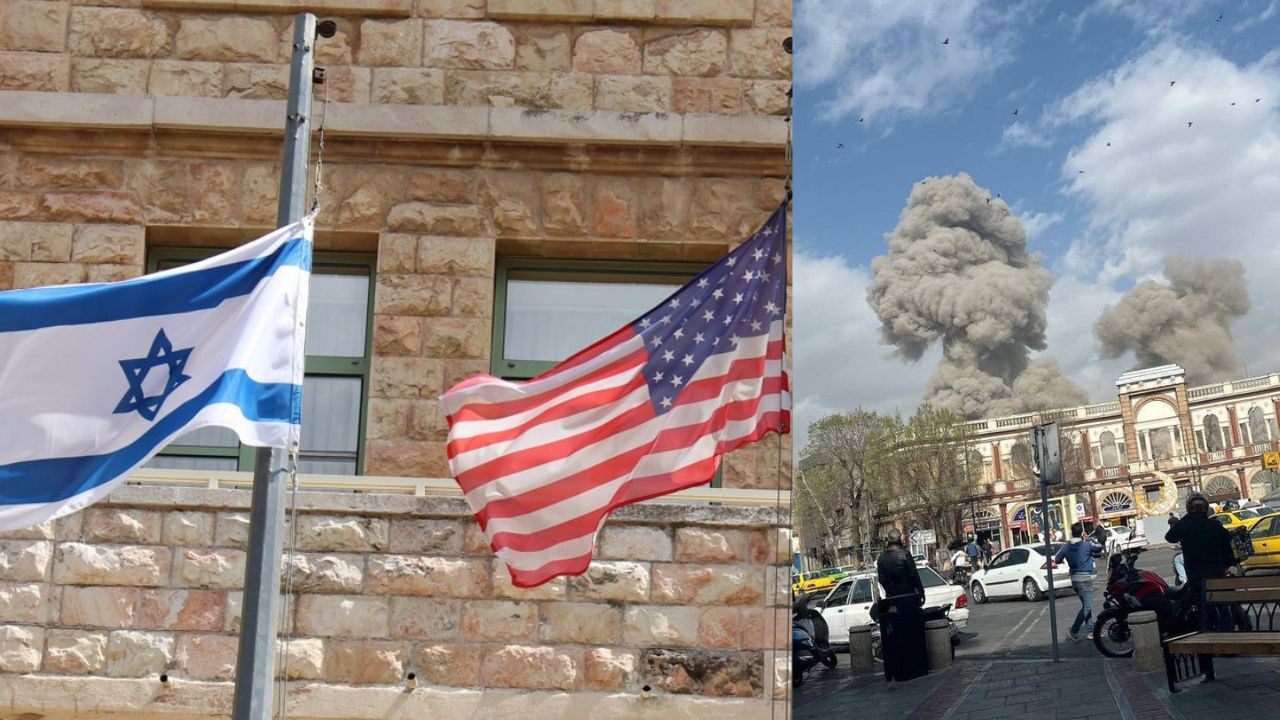
The Middle East has entered a period of extreme volatility following a joint Israeli and American military operation against Iran. On the morning of Saturday, February 28, 2026, explosions rocked Tehran and several other major Iranian cities, including Qom, Isfahan, and Karaj. Israeli Defence Minister Israel Katz confirmed the “pre-emptive strike,” stating the objective was to “remove imminent threats” to the State of Israel. A nationwide state of emergency has been declared across Israel, with the Home Front Command ordering civilians to remain near protected spaces in anticipation of a massive retaliatory response.
The strikes, codenamed Operation Roaring Lion by Israel and Operation Shield of Judah by the US, targeted strategic military sites and regime infrastructure. Reports from Tehran indicate that missiles struck the central Republic (Jomhuri) and University (Daneshgah) districts, with some impacts recorded near the residence of Supreme Leader Ayatollah Ali Khamenei. While Iranian state media, including Fars News, confirmed the blasts and visible plumes of smoke over the capital, they have yet to provide official casualty figures. Intelligence sources suggest Khamenei was moved to a secure, undisclosed location before the commencement of hostilities.
This military escalation follows the collapse of high-stakes diplomatic efforts in Geneva earlier this week. US President Donald Trump had issued a 15-day ultimatum to Tehran to accept a “meaningful deal” regarding its nuclear programme and ballistic missile development. Trump, who recently surged a massive naval force to the region, including the USS Gerald R. Ford and USS Abraham Lincoln carrier strike groups, reaffirmed on Truth Social that the objective is to eliminate “the Iranian regime’s campaign of terror.” He has since urged the Iranian people to “take over” their government, signalling a potential shift toward a policy of regime change.
The humanitarian and regional implications of the strike are immediate and severe. Both Israel and Iran have closed their respective airspaces to civilian traffic, and communication services across Tehran are reportedly impaired. In Israel, takeoffs and landings at Ben Gurion International Airport were halted as sirens blared in Tel Aviv and Jerusalem. The US Embassy in Bahrain has issued “shelter-in-place” orders for its personnel, reflecting fears that Iran’s regional proxies, Hezbollah in Lebanon and the Houthis in Yemen, may launch coordinated counter-attacks against Western and Israeli assets.
Security analysts note that this operation is significantly larger than the brief skirmishes seen in June 2025. US officials have described the current campaign as “sustained operations” rather than a one-off surgical strike. This suggests a broader intent to dismantle Iran’s state and security infrastructure, potentially including its air defence systems. The deployment of F-22 Raptor stealth fighters to Israel’s Ovda airbase earlier this week provided an early hint of the scale of the intended mission.
As the situation evolves, the global energy market is bracing for impact. The risk of retaliatory strikes against maritime corridors in the Persian Gulf remains a primary concern for international observers. With both sides now fully committed to military force, the prospects for a return to the negotiating table appear nonexistent. The coming days will determine whether this strike succeeds in its stated goal of “removing threats” or triggers the very all-out regional war that decades of diplomacy sought to avoid.