


Cooking Gas Prices Soar as Iran Conflict Chokes Supply
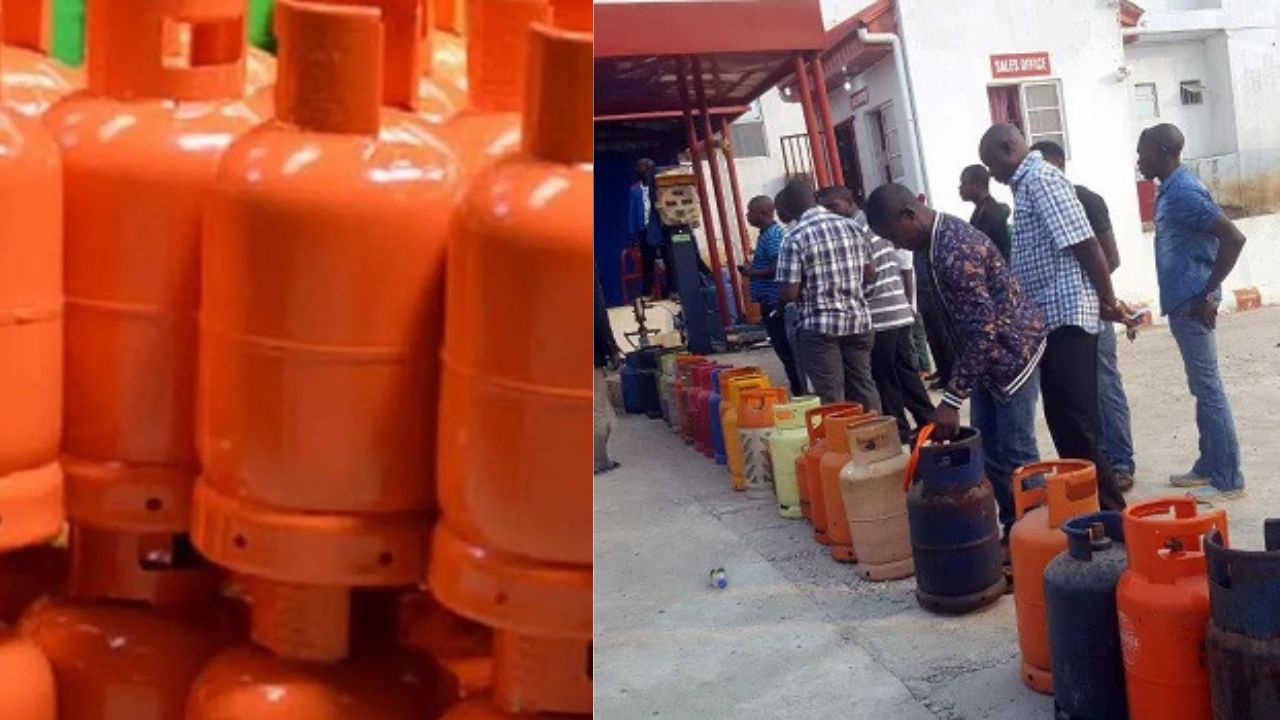
Nigerian households are facing a sharp increase in energy costs as the escalating US-Israel-Iran war disrupts global natural gas production and shipping. Local depot owners raised the price of Liquefied Petroleum Gas (LPG) by an average of ₦100 per kilogram on Tuesday. Major distributors, including Nipco Plc and Navgas Limited, have adjusted their rates to ₦950 and ₦900, respectively. This price surge is a direct consequence of the effective closure of the Strait of Hormuz, a critical artery that handles 20% of global oil and gas trade.
The global energy market reacted with immediate volatility to the hostilities. European gas prices soared by as much as 40% after Qatar, which supplies a fifth of the world’s LNG, temporarily shut its massive production facilities following drone attacks. Global benchmarks followed suit, with Brent crude climbing to $81.40 a barrel, its highest point since early 2025. While Nigeria has shifted toward domestic production, local prices remain tethered to these international benchmarks, ensuring that a spark in the Persian Gulf is felt at the Nigerian stove.
Nigeria’s reliance on imports has diminished but remains a structural vulnerability. Data from the Nigerian Midstream and Downstream Petroleum Regulatory Authority (NMDPRA) indicates that local refineries and processing plants, led by the Dangote Refinery and NLNG, supplied 87% of the domestic market in 2025. However, the remaining 13%, roughly 7,100 metric tonnes, must still be sourced from international markets, primarily the US and Equatorial Guinea. This gap in self-sufficiency means any disruption in global shipping lanes creates an immediate domestic deficit.
The logistics of global energy are currently in a state of paralysis. Vortexa vessel-tracking data revealed that tanker transits through the Strait of Hormuz plummeted from a daily average of 24 to just four since the conflict began. Hundreds of vessels laden with fuel are currently stranded near the UAE’s Fujairah hub, unable to navigate the contested waters. For Nigeria, this means higher replacement costs and ballooning insurance premiums for the vessels that do manage to reach its shores.
Market analysts at the Centre for the Promotion of Private Enterprise (CPPE) warn that harder times lie ahead if the conflict persists. While higher crude prices could theoretically boost Nigeria’s foreign exchange reserves, the immediate inflationary pressure on household welfare is severe. The “replacement cost” model used by local depots ensures that as soon as global prices spike, consumers at the retail end see an adjustment within 48 hours. Many retailers in Lagos and Abuja have already warned of further hikes if the “conflict premium” on shipping continues to rise.
The federal government’s long-term goal of “zero importation” is now a matter of national security rather than just economic policy. While the 2025 transition to an 87% domestic supply was a landmark achievement, the current crisis exposes the frailty of the remaining 13%. As long as the Middle East remains a theatre of war, Nigerian consumers will continue to pay a heavy price for a global energy system that is as interconnected as it is fragile.