Dangote Dismisses Petrol Re-Import Allegations as Baseless

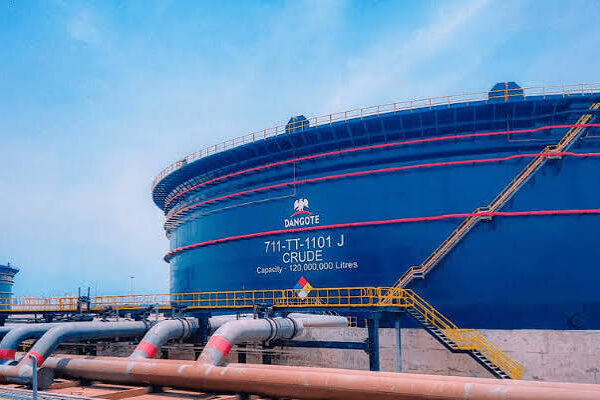
Africa’s largest refinery has pushed back against allegations that petrol produced at its Lagos facility is shipped to Lomé in Togo and then quietly returned into the Nigerian market, describing the claims as commercially illogical, contractually barred, and unsupported by trade data. Dangote Petroleum Refinery and Petrochemicals issued the rebuttal on Tuesday, June 23, 2026,…

Read More

NMDPRA Clears Marketers for New Petrol Imports

  Nigeria has approved a fresh round of petrol and diesel imports for the July to September quarter, a move that signals renewed pressure on domestic fuel supply even as the country pushes to lean more heavily on local refining. The Nigerian Midstream and Downstream Petroleum Regulatory Authority issued the clean product import permits to…

Read More
Regulator Issues Fresh Petrol Permits As Stocks Decline

Regulator Issues Fresh Petrol Permits As Stocks Decline

The federal government has issued fresh refined product import permits to independent marketers for the third quarter of 2026. The Nigerian Midstream and Downstream Petroleum Regulatory Authority approved the licenses to prevent potential domestic fuel shortages between July and September. The tactical intervention follows a noticeable decline in national fuel stock levels over the past…

Read More

NNPC’s Five Point Defence Against Dangote Refinery

  The Nigerian National Petroleum Company Limited has urged the Federal High Court in Lagos to dismiss the Dangote Petroleum Refinery’s bid to halt fuel importation, warning that the refinery’s products are sold at “significantly high and fluctuating market prices” and that granting its requests could hand it monopoly control of Nigeria’s downstream petroleum sector….

Read More
Dangote Sues Government Over Fuel Import Licences

Dangote Sues Government Over Fuel Import Licenses

Aliko Dangote has renewed his legal war against the Nigerian government over fuel imports. The billionaire’s 650,000-barrel-per-day refinery filed a fresh lawsuit at the Federal High Court in Lagos to nullify import permits granted to marketers and the state oil company. The legal challenge targets the Nigerian Midstream and Downstream Petroleum Regulatory Authority. The regulator…

Read More
Nigerians consume 1.53bn litres of petrol in April – NMDPRA

Nigerians consume 1.53bn litres of petrol in April – NMDPRA

Nigeria consumed 1.53 billion litres of petrol in April, as the Dangote Refinery cemented its status as the nation’s primary fuel source. Data from the Nigerian Midstream and Downstream Petroleum Regulatory Authority (NMDPRA) shows that daily consumption averaged 51.1 million litres. This volume highlights a significant reliance on a single private entity for energy security….

Read More
Nigerians consume 1.53bn litres of petrol in April – NMDPRA

NMDPRA Issues New Import Permits

The Nigerian Midstream and Downstream Petroleum Regulatory Authority (NMDPRA) has issued new petrol import licences to six firms, authorising the importation of 720,000 metric tonnes. This move, confirmed on May 6, 2026, signals a pivot in the federal government’s downstream strategy, which had recently prioritised domestic refining. The licensed companies Matrix, AA Rano, AYM Shafa,…

Read More

Oil Price Surge Pressures Nigerian Aviation Sector

    Nigeria’s domestic aviation sector remains under pressure as airlines continue operations despite renewed threats of a shutdown over rising jet fuel costs, highlighting deep tensions between global oil shocks and local pricing realities. Carriers under the Airline Operators of Nigeria had warned of a possible suspension of services, yet flight data shows key…

Read More
Aviation Fuel Marketers Ignore Regulator Pricing Band

Aviation Fuel Marketers Ignore Regulator Pricing Band

Oil marketers are defying the Nigerian Midstream and Downstream Petroleum Regulatory Authority by selling aviation fuel, Jet-A1, at ₦2,230 per litre. This price significantly exceeds the regulator’s suggested band of ₦1,760 to ₦1,988 in Lagos. The gap persists despite recent stakeholder negotiations intended to stabilise the market. Strong demand and an opaque supply chain, dominated…

Read More