
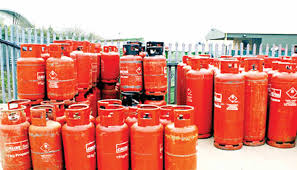
Households and small businesses across Nigeria are paying nearly two and a half times more for cooking gas than they did at the start of the year, pushing marketers toward large scale importation in a bid to crash prices and end a biting scarcity.
Cooking gas now sells at N2,400 per kilogramme in several locations, up from an average of about N1,000 in January and February, a jump of roughly 140 per cent. Findings showed the regulator is issuing licences for importation as local producers struggle to meet domestic demand.
Industry sources attributed the squeeze partly to reduced supply from the Dangote Petroleum Refinery, though not, they stressed, because of exports. “The recent decline in LPG supply from the Dangote refinery, which has created a crisis in the domestic market, isn’t because of exports but is due to their internal utilisation for enhancing petroleum production capacity,” a source familiar with the development said, citing the refinery’s ramp up to 700,000 barrels per day.
An official of the Nigerian Midstream and Downstream Petroleum Regulatory Authority said the regulator “is collaborating with the Nigerian National Petroleum Company Limited and other key stakeholders to further boost LPG availability in the local market.”
Louis Ibah, spokesman for the Minister of State for Petroleum Resources (Gas), Ekperikpe Ekpo, said marketers “have committed to importing larger volumes of LPG, ensuring that supply meets demand in the weeks ahead.” He said the minister had mandated the NMDPRA to resolve supply challenges and urged Dangote to prioritise domestic allocation. Ibah maintained that the federal government’s ban on LPG exports “is still in place to stabilise prices and is strictly enforced,” insisting no local producer was shipping out cooking gas.
The National President of the Nigerian Association of Liquefied Petroleum Gas Marketers, Edu Inyang, confirmed that depot owners were planning to import. “The depot owners have confirmed to us that they are planning to import enough LPG,” he said.
The pricing paradox is stark. NMDPRA data showed local production from refineries and gas processing plants accounted for the bulk of supply between April 2025 and April 2026, yet prices kept climbing. Nigeria consumed about 52,800 metric tonnes of LPG in 2025, with domestic marketers supplying roughly 45,800 metric tonnes and imports just 7,100 metric tonnes, about 13 per cent of total consumption.
The current crisis fits a longer pattern. National consumption rose from 900,000 metric tonnes in 2021 to about two million metric tonnes in 2025, making Nigeria one of Africa’s fastest growing LPG markets. Still, per capita consumption remains low at 1.8kg, compared with nearly 500kg in Saudi Arabia. The federal government, under its Decade of Gas initiative, is targeting five million metric tonnes of annual consumption by 2030.
NALPGAM has warned that the squeeze threatens that ambition. Marketers said they were paying between N25.2 million and N26.2 million for a 20-metric-tonne consignment, costs passed straight to consumers already battling headline inflation of 26.50 per cent in April 2026. With many households reverting to charcoal and firewood, the association cautioned, “the citizens may rise against the owners of gas filling stations.” Whether fresh imports reverse the trend will depend on how quickly cargoes land and clear.