
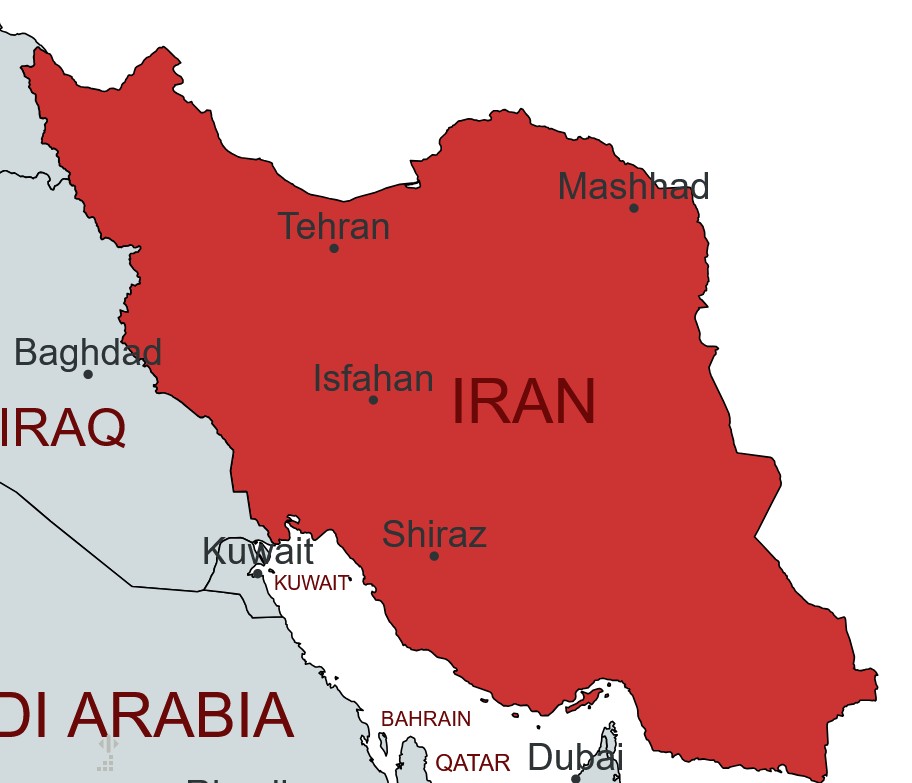
Iran has threatened to shift to a fully offensive military posture in the Strait of Hormuz if peace talks with the United States fail. A senior official in Tehran warned that armed units will strike to break the American naval blockade within weeks. The ultimatum marks the formal collapse of a sixty-day truce agreed in June. Both governments remain far apart on shipping control and the future of Iran’s nuclear programme. Diplomacy has hit a hard wall.
The unravelled memorandum of understanding originally promised an immediate halt to all military operations. Trouble flared almost immediately over who controls vessel movements through the strategic waterway. Tehran insisted the text gave it the legal authority to police regional shipping channels. Washington rejected that claim and declared the interim agreement dead. Donald Trump answered the latest threat by demanding that Iran raise the white flag of surrender. Bellicose rhetoric quickly replaced patient statecraft.
An offensive campaign would shatter the world’s most vital energy corridor. The waterway handled one-fifth of global crude oil and gas supplies before hostilities began in February. Commercial tanker owners refuse to risk their ships without expensive Western naval escorts. American warships struggle to shield merchant hulls against swarms of cheap drones and coastal missiles. Tehran exploits its geography to hold international trade hostage. Maritime chokepoints give regional powers immense leverage.
Tehran’s hardline stance shows its growing frustration with fruitless talks. Iranian leaders had hoped the June agreement would ease crushing trade sanctions. When economic relief stalled, security chiefs pushed for a return to open confrontation. The clerical regime believes that driving up global oil prices will force Washington to back down. Raising the stakes carries terrifying domestic risks for an already battered economy. Tehran is taking an enormous gamble.
The White House faces its own political headaches from a drawn-out Gulf war. American drivers pay steep prices at petrol pumps as energy markets price in supply disruptions. Trump continues to promise decisive victory while floating plans to claim the channel as American soil. Such theatrical threats cannot mask the tactical limits of naval power against asymmetric coastal defences. Pounding coastal targets will not reopen commercial shipping lanes overnight. Naval supremacy cannot guarantee safe passage.
Developing nations will suffer the worst economic blow if Gulf oil exports freeze completely. Higher freight insurance and costly refined fuels will drain foreign exchange reserves across West Africa. Importers in regional commercial hubs will pass every extra shipping charge straight to struggling consumers. Renewed energy shocks will spark fresh inflation, forcing central bankers to keep interest rates punishingly high. Distant conflicts always extract heavy local tolls.