
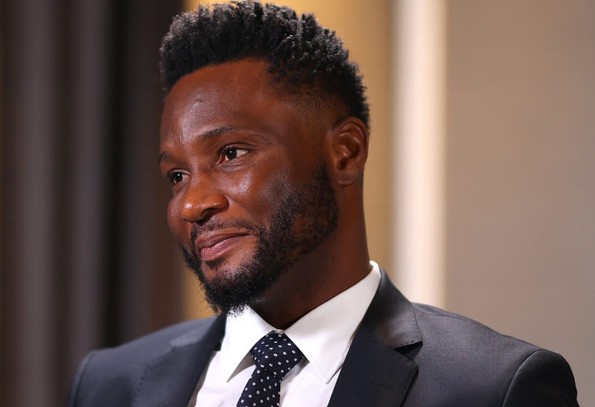
Former Chelsea and Super Eagles midfielder Mikel Obi has recounted how an administrative blunder by Nigerian football officials gave him the moniker that defined his global career. Born John Michael Nchekwube Obinna, the playmaker saw his identity altered on official paperwork ahead of the 2003 Under-17 World Championships in Finland. Nigerian Football Association clerks mistakenly entered ‘Mikel’ instead of ‘Michael’ on his tournament registration forms. Rather than demanding an immediate correction, the teenage prospect chose to embrace the unusual name. He later admitted that the misspelling carried a distinctive rhythm that set him apart from his peers. A simple clerical error created an iconic sporting brand.
Bureaucratic carelessness rarely yields lasting marketing gold in elite international sports. Nigerian sports federations have long struggled with shoddy administrative paperwork and chaotic player document management. In this instance, a typist’s mistake gave the young midfielder an instantly recognisable professional identity. The moniker swiftly replaced his birth name across scouting reports, European transfer forms, and television commentary sheets. Fans and broadcasters across the globe adopted the label without questioning its accidental roots. Administrative incompetence accidentally minted a global commercial identity.
The name took root during a breakout campaign on the icy pitches of Scandinavia. Despite Nigeria’s early tournament exit, the gifted playmaker commanded immediate attention with his graceful passing range. European scouts quickly filled notebooks with the misspelt name before funnelling him toward Norwegian club Lyn Oslo. The subsequent high-stakes transfer tussle between Manchester United and Chelsea cemented the name on back pages worldwide. Roman Abramovich’s millions eventually secured the midfielder’s signature under the altered identity. The altered moniker soon commanded continental attention.
At Stamford Bridge, the moniker evolved into a symbol of quiet midfield authority and tactical discipline. Jose Mourinho converted the creative attacking midfielder into an unyielding defensive shield in front of Chelsea’s backline. The Nigerian anchor went on to lift two Premier League titles, four FA Cups, and the coveted Champions League crown in London. He also captained the Super Eagles to continental glory at the 2013 Africa Cup of Nations. His steady presence anchored Chelsea’s most decorated modern era. Domestic trophies piled up beneath the accidental moniker.
The midfielder eventually moved to regularise his official legal documents midway through his prime. Ahead of the 2016 Olympic Games in Rio, he formally registered his name as Mikel John Obi. The legal adjustment simply ratified what the global football community had accepted for over a decade. Few players possess the swagger to turn a civil service oversight into a lifetime brand. The player turned bureaucratic sloppiness into personal empowerment. The formal change merely settled existing public reality.
The story highlights how chance and serendipity shape the commercial fortunes of African footballers. Elite football commodifies personal identity, turning names into lucrative global trademarks. While institutional incompetence often ruins budding athletic careers, this rare mix-up delivered an unintended public relations triumph. Nigerian football administrators continue to face fierce criticism for poor organisation and logistics. Yet this particular blunder produced a celebrated legend rather than a tragedy. Serendipity turned administrative chaos into sporting history.