
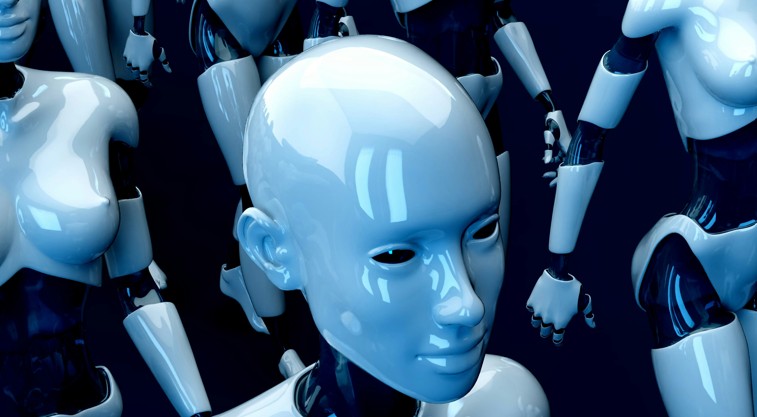
Major global automakers are introducing bipedal, AI-driven humanoid robots directly onto active assembly lines. Automotive executives view these versatile machines as the next evolutionary step beyond stationary, single-task robotic arms. Companies like Tesla, BMW, and Hyundai are testing walking units capable of voice interaction and adaptive manual labor. Industry leaders aim to deploy these humanoids to handle ergonomically taxing, repetitive, and dangerous tasks on factory floors. The shift marks a significant leap in industrial automation across the manufacturing world.
Modern automotive manufacturing relies on specialized machinery designed to perform rigid, single-purpose functions like welding or painting. Traditional industrial robots require heavy safety cages and dedicated programming to operate safely near human workers. In contrast, new bipedal units use advanced computer vision and generative AI to navigate human spaces independently. They can carry materials, sort components, and execute delicate assembly tasks without requiring complete plant redesigns. Early trials aim to plug persistent labor shortages and reduce workplace injuries in heavy industry.
The race to commercialize humanoid automation has sparked intense capital investment among legacy carmakers and tech startups. Tech firms argue that designing robots in human form allows immediate integration into infrastructure built specifically for human workers. Auto executives view vehicle assembly plants as the ideal proving ground for testing hardware durability and software adaptability under real-world conditions. High unit costs and battery constraints currently limit large-scale deployment to selective pilot schemes. However, rapid advancements in machine learning continue to accelerate production readiness.
Organized labor groups view the integration of walking and talking robots with deep skepticism. Trade unions warn that automated humanoids will eventually displace thousands of assembly workers and drive down factory wages. Manufacturing executives counter that robots will simply augment human labor by taking over high-hazard and physically grueling assignments. They insist that human oversight remains essential for complex quality control and specialized craftsmanship on the floor. Yet worker representatives fear that initial assistance will eventually turn into total displacement as hardware costs drop.
Geopolitical rivalry also accelerates the industrial push for automated manufacturing fleets. Global supply chain disruptions and aging domestic workforces drive developed nations to automate production lines to keep costs competitive. Automotive giants in Asia, Europe, and North America face mounting pressure to modernize facilities or risk losing market share to lower-cost competitors. Government subsidies and national industrial strategies increasingly prioritize robotics research to safeguard manufacturing sovereignty. Auto factories serve as the frontline for this global technological arms race.
The widespread deployment of humanoid laborers will test the operational resilience of modern car factories. Engineers must refine sensor accuracy, battery endurance, and safety algorithms before permitting unrestricted human-robot collaboration. Technical glitches or structural failures on high-speed assembly lines risk costly production halts. Industry analysts expect limited rollouts to expand into full-scale factory integration over the coming decade. Automotive manufacturing is once again driving the future of industrial automation.