

WHO Records 13 Attacks on Iranian Health Sites as War Widens
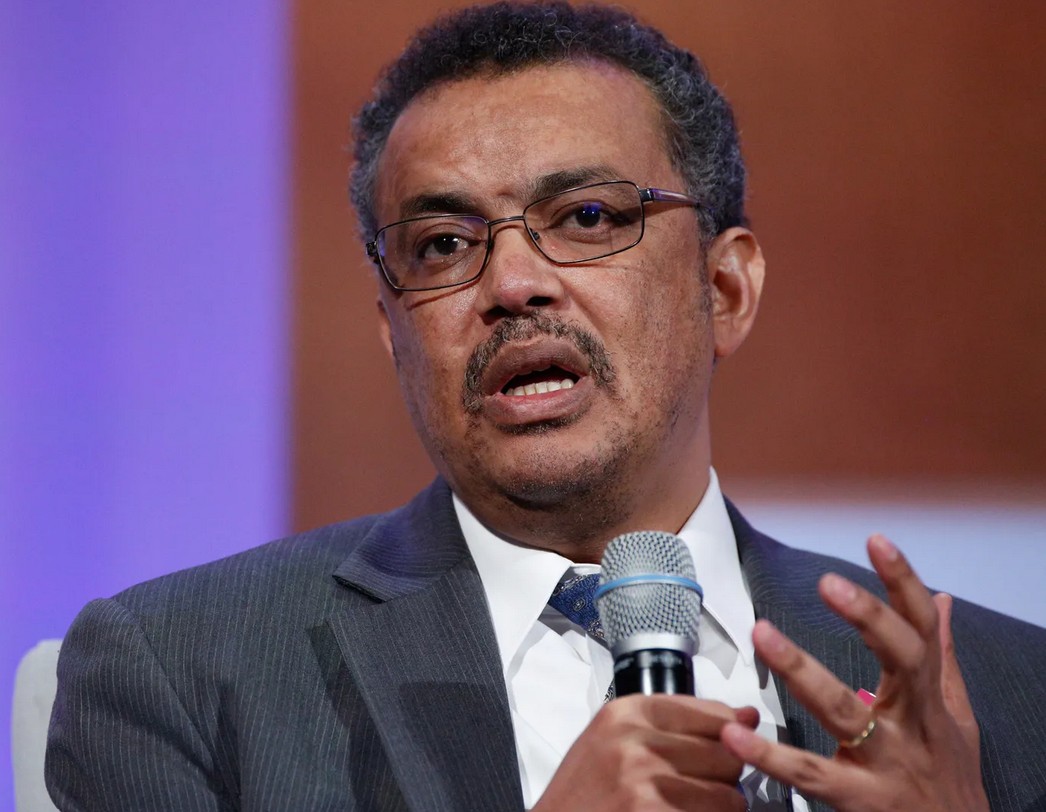
The World Health Organisation (WHO) has verified 13 attacks on healthcare facilities in Iran since the outbreak of the US-Israel-Iran war on February 28. Director-General Tedros Adhanom Ghebreyesus confirmed the strikes on Thursday, noting that the violence has already claimed over 1,000 lives and displaced 100,000 people across 16 countries. The attacks on medical infrastructure, which include hits on hospitals in Tehran and Sarpol-e Zahab, represent a flagrant violation of international humanitarian law.
Strategic supply chains for the entire Middle East are now in jeopardy. The WHO has been forced to suspend operations at its global logistics hub in Dubai due to deteriorating security and airspace closures. This suspension has stranded $18 million in humanitarian medical supplies and prevented another $8 million from reaching the hub. The facility is a critical lifeline, providing emergency medicines and trauma kits to over 70 countries; its paralysis leaves millions across the region without essential health support.
Casualties among health workers are mounting as they attempt to respond to the crisis. In southern Lebanon, three paramedics were killed and six others injured this week while attempting a rescue mission in the Tyre district. The WHO reports that at least four medical workers have been killed in Iran, with 25 others wounded. Dr Hanan Balkhy, WHO Regional Director, warned that the “situation is escalating rapidly,” with 43 primary healthcare centres in Lebanon already forced to close.
The conflict has also raised the spectre of a radiological catastrophe. Tedros expressed grave concern over the safety of nuclear facilities in the region, warning that any compromise to nuclear safety would have “serious public health consequences.” While Iran’s primary healthcare system is reportedly holding up for now, the WHO is scaling up readiness for chemical, biological, and nuclear risks. The agency is currently facing a 70% funding gap for its emergency operations in the region.
Diplomatic pleas for restraint have so far gone unheeded. The WHO chief reiterated that “peace is the best medicine,” calling on all warring parties to protect hospitals and patients. Despite these calls, the humanitarian corridor remains obstructed, with medicines destined for Gaza and polio supplies for Pakistan and Afghanistan currently held up in the Dubai bottleneck. The agency is now exploring alternative land routes through Saudi Arabia to bypass the Strait of Hormuz.
The human cost of the week-old war is most visible in the southern Iranian city of Minab, where a missile strike on a girls’ primary school killed over 170 children and staff. As the conflict enters its second week, the health systems of the Middle East are being pushed to a breaking point. Without a ceasefire, the WHO warns that the collapse of medical infrastructure will lead to a secondary wave of preventable deaths far exceeding the initial casualty counts.