
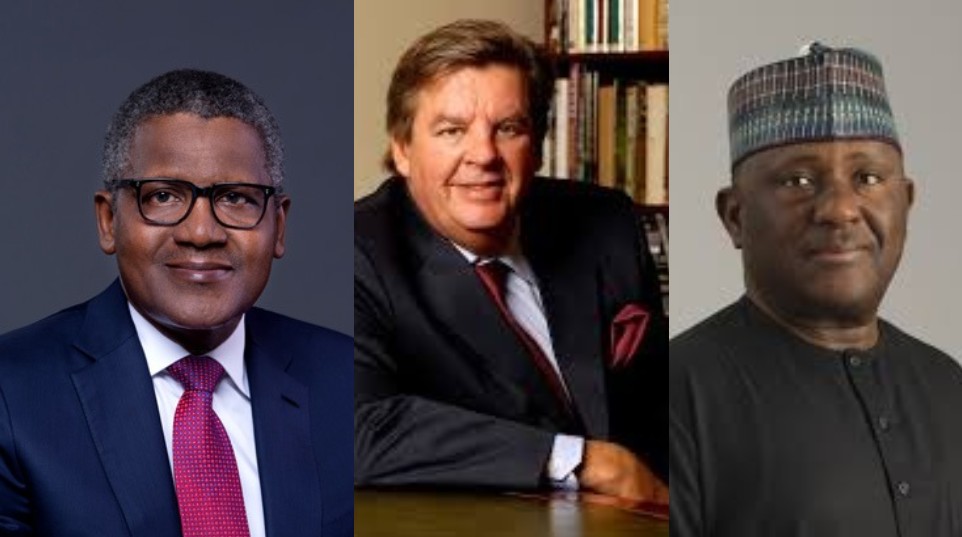
Africa’s wealthiest citizens have seen their collective fortunes surge by 21 per cent over the past year. The continent’s 23 billionaires are now worth a combined $126.7 billion, according to the 2026 Forbes rankings. This $20.3 billion jump reflects a period of stabilizing regional currencies and a broad rally across major African equity markets. Nigeria continues to punch above its weight, fielding four men in this elite club.
Aliko Dangote retains his title as the richest person on the continent for another year. His net worth climbed by $4.6 billion to reach an estimated $28.5 billion. This growth stems largely from the stellar performance of Dangote Cement, which saw shares rise 69 per cent. The company reported record profits of one trillion naira in 2025, underscoring its dominance in the regional construction sector.
The most dramatic rise belongs to Abdulsamad Rabiu, who added $6.1 billion to his fortune. His net worth more than doubled to $11.2 billion, propelling him to third place on the list. Shares in his BUA Cement firm jumped by 135 per cent, significantly outperforming the wider Nigerian Stock Exchange. Rabiu now trails only Dangote and South African luxury tycoon Johann Rupert in the continental rankings.
South Africa remains the headquarters of African wealth, boasting seven individuals on the list. Michiel Le Roux of Capitec Bank saw his fortune grow as financial stocks in Johannesburg climbed 57 per cent. Egypt follows with five billionaires, led by the Sawiris family. Nassef Sawiris, valued at $9.6 billion, is preparing to take the chair at Adidas later this year.
The list remains an exclusive club for the elderly and the self-made. Of the 23 members, 14 built their own fortunes rather than inheriting them. However, the demographic profile is strikingly uniform. Every person on the list is male, and all but one are over the age of 60. Tanzania’s Mohammed Dewji, aged 50, remains the youngest outlier in a field of veterans.
Market volatility did claim a few casualties over the last twelve months. Four billionaires saw their wealth shrink, including Morocco’s Anas Sefrioui, who lost $300 million to a property slump. Nigeria’s Femi Otedola also saw a slight dip of $200 million following a stake sale in Geregu Power. Despite these fluctuations, the general trend suggests that African capital is becoming more resilient to global shocks.
The concentration of such vast wealth highlights the growing divide in regional economies. While equity markets thrive, the broader population continues to grapple with the high cost of living. These billionaires have mastered the art of navigating complex regulatory environments and currency devaluations. Their success is a testament to the profitability of essential sectors like cement, telecommunications, and finance.