
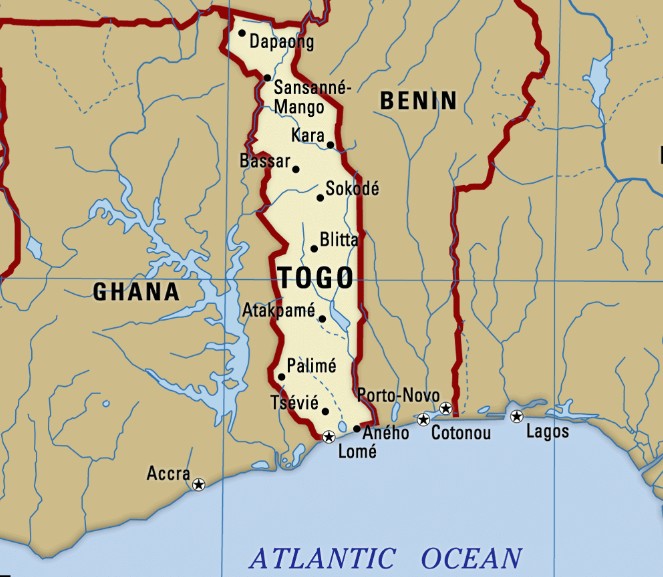
Togo is moving to expand its electricity imports from Nigeria to satisfy a surge in domestic industrial and commercial demand. During a high-level meeting in Abuja on Sunday, the Director-General of Togo’s national utility (CEET), Débo‑K’mba Barandao, formally requested an increase in power supply from the Niger Delta Power Holding Company (NDPHC). Togo currently imports approximately 75 megawatt-hours under an existing bilateral agreement, a volume the utility now deems insufficient for its expanding national grid.
The Togolese delegation credited Nigerian electricity with sustaining the country’s economic stability and providing affordable power to households. Mr. Barandao noted that the partnership with the NDPHC has already significantly improved the reliability of Togo’s grid. However, a spike in new consumers and aggressive government electrification programmes has outpaced the current supply. Increasing the volume of off-take is now seen as the primary solution to prevent looming energy shortages in Lomé and beyond.
The Managing Director of the NDPHC, Jennifer Adighije, confirmed the company’s capacity to scale up exports through its National Integrated Power Project (NIPP) plants. She framed the request as a positive step toward the Economic Community of West African States (ECOWAS) goal of a unified regional electricity market. Nigeria has long acted as a regional “power house,” exporting electricity to neighbours like Benin and Niger to utilize excess generation capacity and earn foreign exchange.
While the NDPHC is willing to boost supply, Mrs. Adighije insisted on stricter commercial safeguards. She emphasised that any expansion must be backed by “bankable and sustainable” financial arrangements to protect Nigerian interests. Cross-border power trade in West Africa has historically been dogged by payment arrears. Consequently, the NDPHC is demanding credible financial guarantees and structured payment mechanisms before committing to higher volumes.
Industry observers view the request as a dual opportunity for Nigeria to deepen its regional influence and generate much-needed dollar revenue. By leveraging its underutilised NIPP assets, Nigeria can address Togo’s energy deficit while improving the financial viability of its own power sector. The success of the deal, however, hinges on the ability of both parties to resolve the perennial issue of payment security in the regional trade loop.
Both utilities have agreed to develop a workable framework for the increased supply in the coming months. The productive nature of the talks suggests a shared commitment to regional energy stability. For Togo, securing more Nigerian power is a matter of economic necessity; for Nigeria, it is an opportunity to prove the commercial worth of its vast, yet often troubled, power infrastructure.