


NMEP: 55% Of Nigerian Children Unprotected From Malaria Vectors
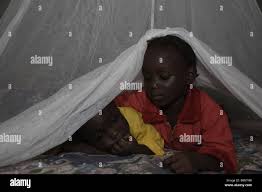
The stark reality that more than half of Nigeria’s children sleep unprotected from malaria-carrying mosquitoes is drawing renewed focus as the nation prepares to mark the 2026 World Malaria Day. According to the Nigeria Malaria Indicator Survey (NMIS) 2025, just 44.9 per cent of children sleep inside an insecticide-treated net (ITN), while a troubling 55 per cent remain vulnerable every night.
This gap in basic prevention exists against a backdrop of near-universal risk. Official data shows that 97 per cent of Nigeria’s population is at risk of malaria, with young children, pregnant women, and their unborn babies bearing the heaviest burden.
Addressing a congregation at The Father’s Church in Jahi, Abuja, ahead of the global commemoration, the National Coordinator of the National Malaria Elimination Programme (NMEP), Dr Nnenna Ogbulafor, emphasized the life-saving potential of the nets. She stated that the use of ITNs is “one of the ways to prevent malaria, as it has been proven to significantly reduce child deaths.”
Dr Ogbulafor also delivered a direct warning against hasty self-medication, which often complicates treatment. “It is not every fever that is malaria,” she said, urging Nigerians to get tested before treating malaria. She also made a specific appeal to pregnant women, urging them to register early for antenatal care to receive Sulphadoxine-Pyrimethamine (SP), a drug that protects both mother and unborn baby. She advised they take the medication “3 or more times before delivery.”
The NMEP’s Advocacy, Communication and Social Mobilisation Officer, Mrs Hope Obokoh, highlighted the dangers of incomplete or incorrect treatment. She explained that failing to complete treatment or taking the wrong medicines can lead to “severe malaria, other illnesses, drug-resistance, coma or death.” Mrs Obokoh insisted that the public demand and use only Artemisinin-based Combination Therapy (ACT), which she described as “safe, affordable and effective.”
She noted, “ACT kills malaria parasite faster than any other anti-malarial medicine,” and stressed the need to complete the full dosage as directed. The programme officials reaffirmed that Nigeria is making strong progress in malaria control, but that consistent prevention and correct treatment remain critical to closing the protection gap and ending the disease.