


Naira Trades Within Narrow Band Amid Market Caution
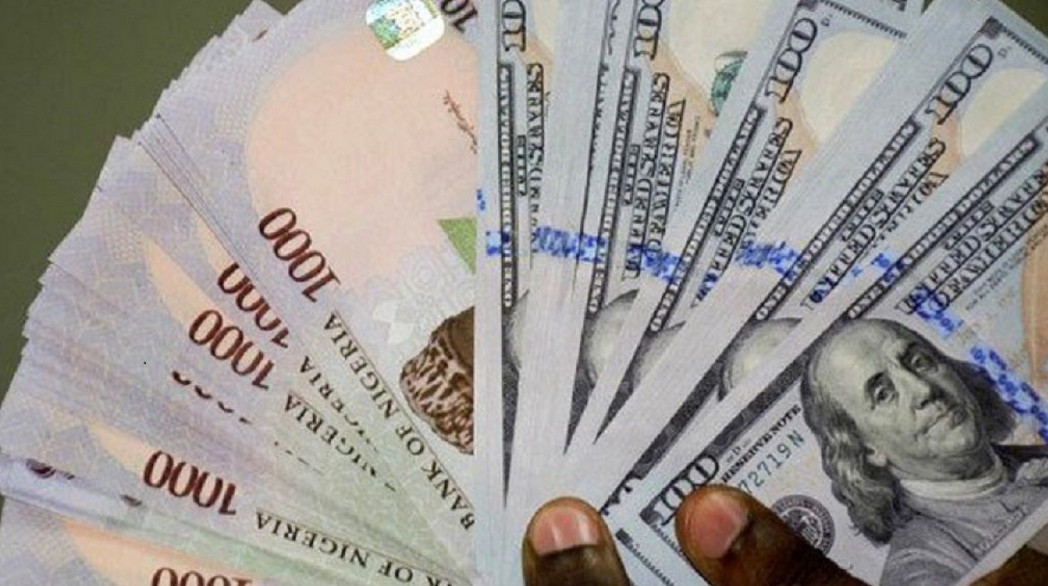
The Nigerian naira holds steady in both official and parallel foreign exchange markets this week. Official rates at the Nigerian Foreign Exchange Market (NFEM) hover between ₦1,350 and ₦1,355 per dollar. This performance reflects the Central Bank of Nigeria’s managed float system. The regulator attempts to curb sharp volatility through intermittent interventions. Market sentiment remains largely cautious.
Parallel market operators report a wider spread, with the dollar trading between ₦1,405 and ₦1,420. This creates a premium of up to ₦60 against the official rate. The gap highlights persistent supply constraints within the formal banking sector. Many businesses and individuals still struggle to source liquidity through official channels. Access drives the street rate higher.
Persistent demand for foreign exchange fuels this ongoing pressure. Importers, travellers, and entities with offshore obligations account for the bulk of this activity. Nigeria relies heavily on fluctuating oil revenues to fund its foreign exchange needs. When oil inflows stall, the naira inevitably softens. External shocks worsen these domestic liquidity challenges.
Structural imbalances continue to dictate the currency’s path. Official stability often masks deeper issues within the foreign exchange architecture. The gap between markets proves the system lacks sufficient depth. Genuine unification remains a goal rather than a current reality. The market watches the Central Bank for any shift in policy.
Broadly, the economy faces a familiar struggle. Monetary authorities attempt to balance stability with market-driven pricing. Investors observe these moves with a skeptical eye. Confidence relies on consistent inflow rather than administrative control. Nigeria needs sustained productivity to bridge this divide.
The current rate movement serves as a snapshot of this tension. Stability at the top does not equate to health across the system. The parallel market remains the true barometer of demand. Until supply reaches parity with need, the premium will persist. Policy alone cannot fix a broken balance of payments.