


When The Algorithm Picks the Hit: How TikTok Quietly Took Over Nigeria’s Music Industry
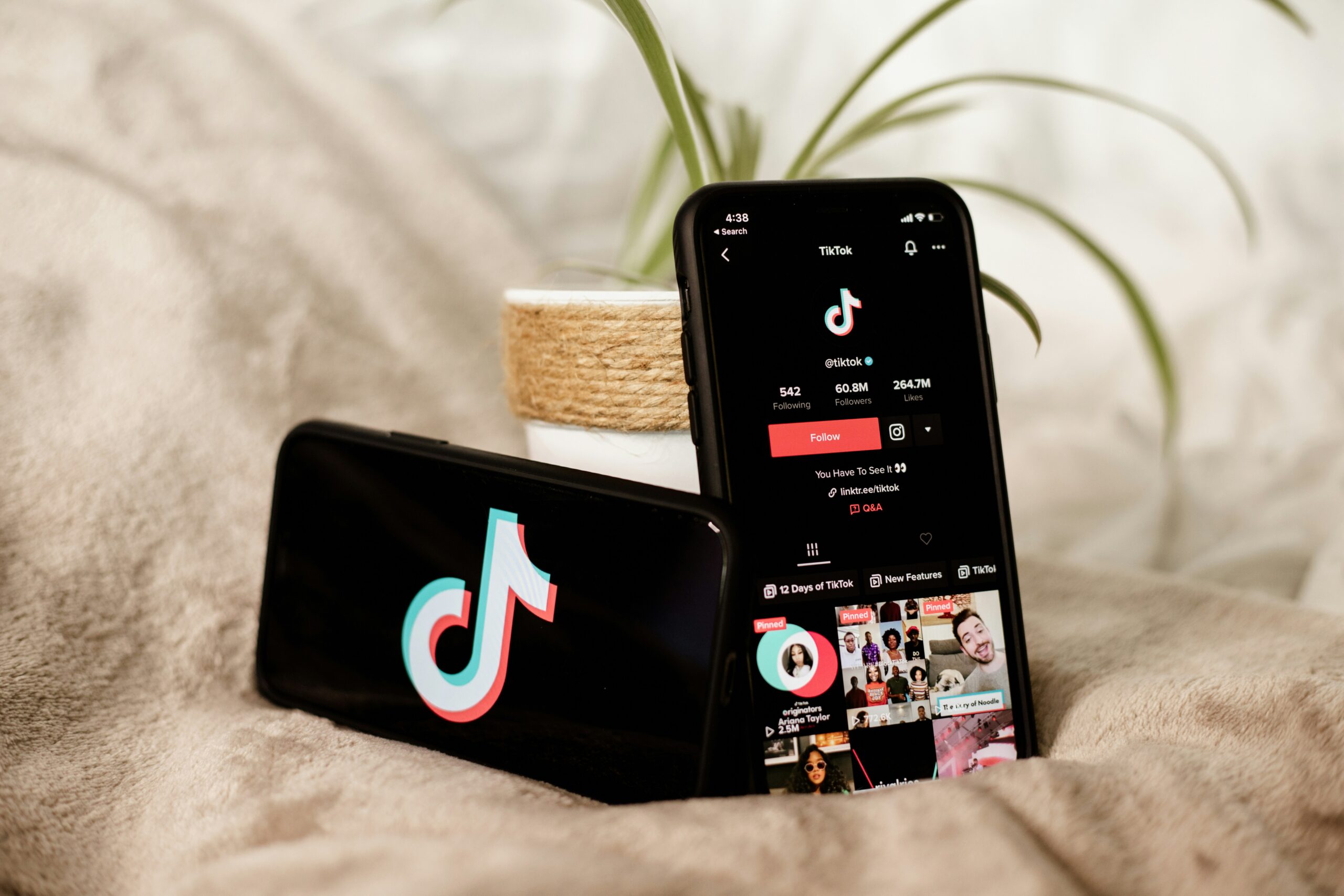
There was a time when the journey of a Nigerian hit song followed a familiar path. A record would first find life on the radio, gain momentum through DJ rotations, and eventually spread across clubs, parties, and campuses. The audience listened, reacted, and gradually decided what deserved to stay. That order has changed.
Today, more often than not, a song’s success is determined long before it reaches traditional platforms. It begins not on the radio, but on screens, within fifteen-second clips on TikTok and Instagram Reels. In this new reality, the gatekeepers of Nigerian music are no longer solely DJs, producers, or even record labels. Increasingly, they are algorithms and audiences working together in real time. This shift has redefined how music is discovered, consumed, and validated in Nigeria.
A growing number of songs now gain traction through short-form content before their official release. Artists tease snippets online, hoping to trigger engagement, dance challenges, relatable captions, or meme-worthy lyrics. Once the audience begins to interact with these fragments, the song takes on a life of its own. It is shared, recreated, and embedded into everyday digital expression. By the time the full track drops, it already carries the weight of familiarity.
In essence, virality now precedes visibility. This is not merely a change in promotional strategy; it is a transformation of the entire music ecosystem. Social media platforms, particularly TikTok, have become testing grounds where songs are informally auditioned before the public. If a snippet resonates, it spreads. If it does not, it disappears quietly, regardless of the artist’s intentions or marketing budget.
For many young Nigerians, music discovery now happens passively while scrolling through content, comedy skits, lifestyle videos, dance routines, and commentary clips. Songs are no longer encountered in isolation; they are experienced within context. A track used in a heartbreak video acquires emotional meaning. One attached to a dance challenge becomes energetic and communal. Another embedded in a fashion reel begins to signal aspiration and identity.
Music, in this sense, is no longer just heard. It is lived within culture. This has significant implications for artists. Increasingly, success depends not only on musical quality but on how adaptable a song is to digital culture. Can it be clipped? Can it be danced to? Can it be turned into a caption or a joke? These questions now sit quietly behind many creative decisions.
As a result, songs are often engineered with moments in mind, short, catchy hooks designed for repetition, easily recognisable beats, and lyrics that lend themselves to social reuse. The objective is clear: create something that can travel.
However, this evolution raises important concerns. If algorithms now influence what becomes popular, there is a risk that artistic depth may be overshadowed by immediate appeal. Not every viral song endures beyond its moment of online relevance. Some dominate timelines for days or weeks, only to fade as quickly as they emerged. In chasing visibility, artists may feel pressured to prioritise speed over substance and trend compatibility over originality.
There is also the question of sustainability. A music culture driven by constant virality can become unstable, where attention is fragmented, and loyalty is thin. Listeners move quickly from one trending sound to another, rarely pausing long enough for deeper engagement. The danger is not that music is evolving, that is inevitable, but that it may become increasingly disposable. Yet, it would be simplistic to frame this shift as entirely negative.
Social media has also democratised access in unprecedented ways. Emerging artists no longer need to rely solely on industry connections or expensive promotional campaigns to be heard. A single post, if it resonates, can reach thousands or even millions. The barrier to entry has been lowered, allowing fresh voices to participate in shaping the soundscape.
In this sense, the audience has become more than consumers; they are now active participants in the making of hits. What is unfolding is a negotiation between creativity and culture, between artistic intent and audience behaviour. Nigerian music is no longer defined solely in studios or boardrooms. It is shaped in comment sections, recreated in videos, and validated through engagement metrics.
The implications of this shift extend beyond music. It reflects a broader transformation in how culture itself is produced and distributed in a digital age. Authority is decentralised. Influence is fluid. And relevance is increasingly determined by visibility within networks rather than endorsement from institutions.
In today’s Nigerian entertainment landscape, a hit song is no longer simply recorded and released. It is introduced to the algorithm, tested by the audience, and, if it survives, absorbed into culture. And in that process, the question is no longer just who made the music but who made it matter.