
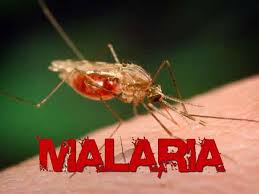
Global efforts to eliminate malaria have averted millions of deaths over two decades, yet Nigeria remains at the centre of the crisis, accounting for the highest share of infections and fatalities worldwide.
As countries marked World Malaria Day, the World Health Organization reported an estimated 282 million malaria cases and 610,000 deaths globally in 2024. Since 2000, about 2.3 billion cases and 14 million deaths have been prevented, while 47 countries have been certified malaria-free, including five between 2024 and 2025.
Data shows a decline in malaria-endemic countries from 108 in 2000 to 80 in 2024. Over the same period, nations recording fewer than 10,000 cases increased from 27 to 46, with 37 countries reporting under 1,000 cases last year. In parallel, 25 countries, including Nigeria, have begun rolling out malaria vaccines targeting 10 million children annually.
Despite these gains, the WHO warned that progress is under threat from drug and insecticide resistance, extreme weather events, and declining funding, all of which are exposing vulnerable populations.
Nigeria continues to carry the heaviest burden. The 2025 World Malaria Report attributes 24.3 per cent of global cases and 30.3 per cent of deaths to the country, with 97 per cent of its population at risk. Within West Africa, Nigeria accounted for 54.6 per cent of cases in 2024, driven by population size, environmental factors, and sanitation challenges that favour mosquito breeding.
Economic losses remain substantial. Malaria Consortium estimates Nigeria loses about $1.1 billion annually to treatment costs, prevention efforts, and reduced productivity. The Global Fund has committed $365 million to malaria interventions between 2024 and 2026, while the U.S. President’s Malaria Initiative has reportedly scaled back support from 11 states to seven.
Recent national data suggests measurable progress. Findings from the Nigeria Malaria Indicator Survey show prevalence fell from 42 per cent in 2010 to 22 per cent in 2021 and 15 per cent in 2025. According to the National Malaria Elimination Programme, this reflects improvements in prevention, treatment, and public awareness.
Officials, however, acknowledge persistent gaps. Pregnant women and children under five remain particularly vulnerable, while a detection gap of nearly 40 per cent continues to limit response efforts. Poverty, undernutrition, overcrowding, and unemployment further compound transmission risks.
A new National Malaria Strategic Implementation Plan covering 2026 to 2030 aims to reduce parasite prevalence and malaria-related deaths by 50 per cent. Current classifications indicate no Nigerian state falls within high transmission levels, with Lagos and Plateau categorised as low transmission states at 2.6 per cent prevalence, while others remain at moderate levels.
Health authorities maintain that approved anti-malarial drugs remain effective, exceeding 90 per cent efficacy benchmarks, although resistance to pyrethroid insecticides has been documented. Surveillance systems now operate in 27 states to guide the deployment of next-generation insecticide-treated nets.
Vaccination efforts are expanding beyond pilot states such as Kebbi and Bayelsa to include Bauchi and Ondo, while vector control strategies like larval source management have been introduced in selected states.
Experts and programme coordinators have repeatedly emphasised the need for sustained investment, stronger health systems, and local manufacturing of medical supplies. Concerns over reliance on imported active pharmaceutical ingredients persist, with calls for increased domestic production and closer collaboration between research institutions and industry.
The evolving fight against malaria highlights a complex balance between scientific innovation, funding commitments, and community participation, as Nigeria seeks to align with global elimination targets.