
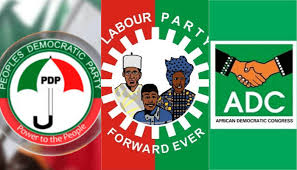
The ambitious attempt by major opposition figures to forge a united front against the ruling All Progressives Congress (APC) ahead of the 2027 elections has hit a significant stumbling block. While a high-profile summit in Ibadan on Saturday aimed to announce a joint presidential candidate, it has instead exposed deep-seated fractures within the Peoples Democratic Party (PDP), Labour Party (LP), African Democratic Congress (ADC), and Accord Party.
The gathering, hosted by Oyo State Governor Seyi Makinde, featured prominent figures including former Vice President Atiku Abubakar, Peter Obi, and Rabiu Kwankwaso. However, rival factions within their respective parties have moved swiftly to disassociate themselves from the resolutions, with some labeling the organizers “impostors.”
The PDP National Working Committee (NWC), backed by Federal Capital Territory Minister Nyesom Wike, has led the charge in rejecting the summit. In an interview with *The PUNCH*, the party’s National Publicity Secretary, Jungudo Mohammed, stated that the PDP was not part of the arrangement.
“The individuals who attended in the PDP’s name are impostors,” Mohammed said, asserting that the party remains focused on fielding its own candidate. He maintained that the authentic leadership under Abdurahman Muhammad and Senator Samuel Anyanwu was never consulted.
Similar ripples are being felt within the ADC. Two separate camps, led by Kingsley Ogga and Nafiu Gombe, denied involvement. Bala Kumo, Chief of Staff to the Gombe-led faction, described the summit as a “reunion of former PDP members” and insisted the ADC would pursue its independent electoral path.
The Accord Party has gone a step further, with the Prof. Chris Imumolen-led faction issuing a 48-hour ultimatum. National Secretary Muktar Abdallah warned of legal action against those who used the party’s name and symbol without authorization, calling the act “political impersonation.”
The summit’s political messaging has also drawn fire. While addressing the crowd, Governor Makinde cautioned the Federal Government against suppressing the political will of Nigerians, referencing “Operation Wetie”—the violent 1965 uprising in Western Nigeria sparked by the Awolowo-Akintola power struggle.
The APC has condemned these remarks as inciting. National Publicity Secretary Felix Morka described the rhetoric as a “clear and present threat to peace,” arguing that a sitting governor should not conjure historical episodes of violence to threaten national stability.
In a statement by its Oyo State Publicity Secretary, Olawale Sadare, the APC further dismissed the attendees as “clownish characters” who lack the discipline to challenge President Bola Tinubu’s administration.
The Labour Party has also signaled a cautious approach. Nenadi Usman, the party’s Interim National Chairman, clarified through her aide, Ken Asogwa, that the party is currently prioritizing its internal convention scheduled for April 28 to secure substantive leadership.
As the political dust settles in Ibadan, the prospect of a “mega-party” coalition remains obscured by legal disputes and leadership tussles, suggesting a long, fragmented road toward the 2027 polls.