
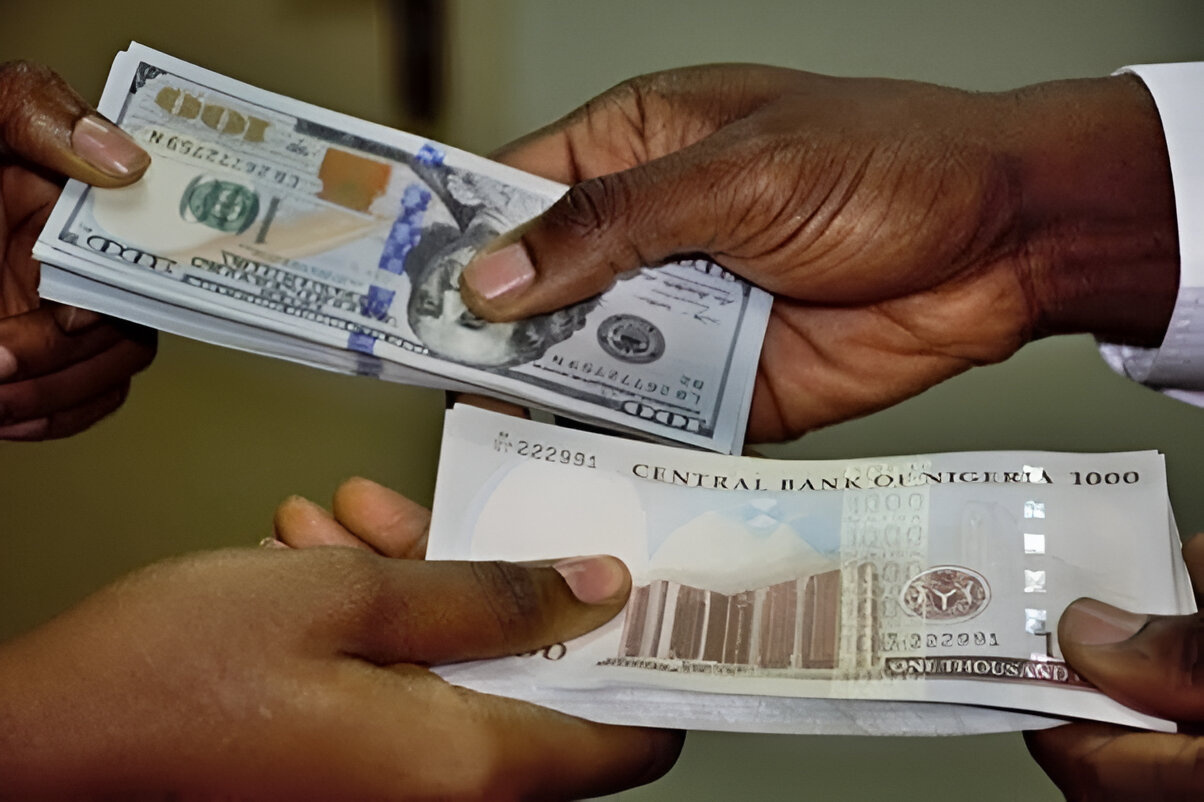
The Nigerian naira is showing resilience at the official window this Wednesday, April 29, 2026, trading around the ₦1,360 mark. Market data confirms a period of relative stability, with the currency hovering near ₦1,360.19 per dollar. While official channels maintain this tight band, the parallel market remains under persistent pressure, with rates reported between ₦1,480 and ₦1,510 per dollar. This persistent spread reflects the underlying tension between constrained dollar liquidity and high demand from importers and travellers.
Official figures indicate marginal daily fluctuations as market forces attempt to find equilibrium. The current stability is supported by ongoing interventions and moderated demand at the Nigerian Foreign Exchange Market. Despite this, the parallel market continues to absorb the excess demand that the formal banking system cannot satisfy. Analysts describe the current environment as a delicate balance, where the official segment provides an anchor while the informal market signals the real-world pressure on the currency.
Broader economic indicators add complexity to this picture. Nigeria’s external reserves have faced a steady decline, dropping to approximately $48.45 billion by late April. This reduction adds a layer of caution to trading sentiment, as market participants watch for how the Central Bank of Nigeria manages reserves against its commitment to market stability. For now, the narrative remains one of managed, though fragile, stability at the official level.
The focus for businesses and traders has shifted from daily price tracking to the long-term direction of the currency. While the official rate holds steady, the parallel market suggests that the volatility has not been eradicated. Market participants continue to watch for signals from the monetary authorities on liquidity management. Whether this current stability persists depends largely on the central bank’s ability to navigate these reserve pressures and unmet demand.